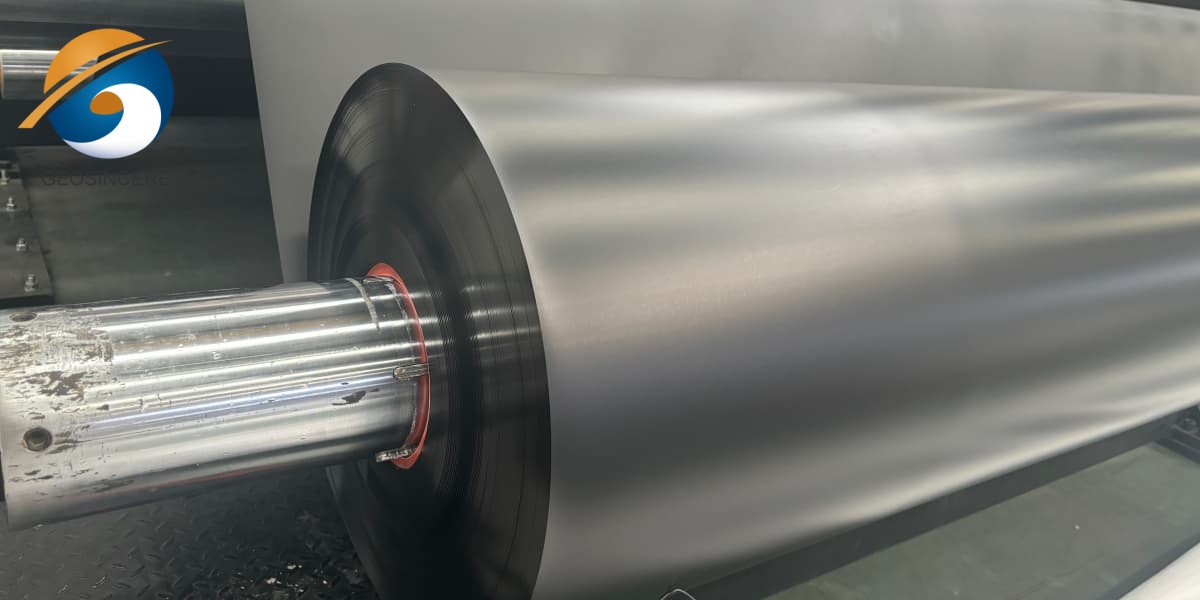
As global industries continue to expand, the demand for reliable containment systems has increased significantly. From mining operations and wastewater treatment facilities to agricultural reservoirs and industrial storage areas, preventing leakage and protecting surrounding environments have become essential requirements for modern engineering projects. Among various geomembrane solutions available today, GEOSINCERE Geosynthetics 1mm HDPE liner has become one of the most widely selected options due to its excellent balance between durability, performance, and cost efficiency.
A 1mm HDPE liner refers to a high density polyethylene geomembrane with a thickness of approximately 1 millimeter (40 mils). This thickness is considered one of the most versatile choices for medium-duty containment applications because it provides sufficient mechanical strength while maintaining reasonable material and installation costs.
Compared with thinner liners, liner for pond 1mm offers improved puncture resistance, tensile strength, and long-term durability. Compared with thicker geomembranes such as 1.5mm or 2.0mm liners, it reduces material consumption, transportation expenses, and installation difficulties.
According to global environmental engineering trends, the geomembrane market continues to expand due to increasing requirements for water conservation, waste management, and pollution control. The global mining industry, agricultural water management sector, and municipal infrastructure projects are among the major drivers of geomembrane demand.
For many project owners, the biggest challenge is finding a containment solution that provides reliable protection without creating unnecessary costs. This is where 1mm HDPE Liner demonstrates its advantages as a cost-effective engineering material.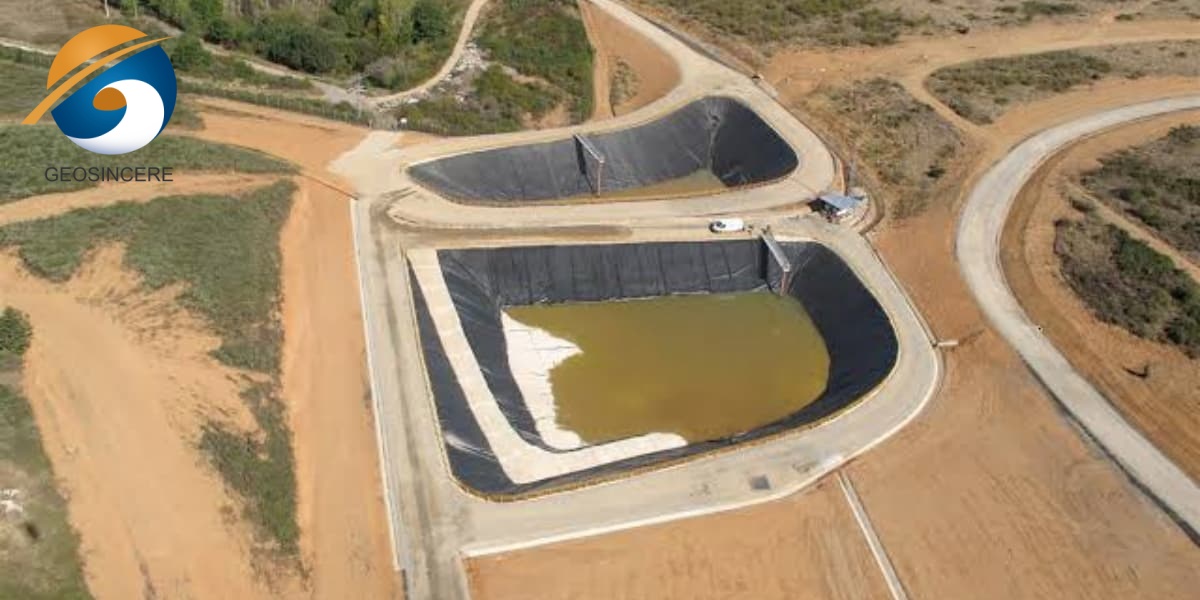
A 1mm HDPE Liner is a synthetic impermeable membrane manufactured from high-density polyethylene resin. It is designed to prevent liquids, chemicals, and contaminants from penetrating into surrounding soil and groundwater.
The thickness conversion is:
- 1mm = 1000 microns
- 1mm ≈ 40 mils
This thickness is commonly used in applications requiring reliable waterproofing and moderate mechanical protection.
Typical applications include:
- Agricultural irrigation ponds
- Wastewater treatment ponds
- Mining containment systems
- Landfill secondary liners
- Industrial storage areas
- Aquaculture facilities
- Artificial lakes and reservoirs
The primary function of an HDPE liner is creating a continuous barrier that controls fluid movement.
High-quality HDPE liners are typically produced using:
- Virgin polyethylene resin
- Carbon black
- Antioxidants
- UV stabilizers
- Processing additives
The use of high-quality raw materials directly affects:
- Mechanical strength
- Chemical resistance
- Weather durability
- Service life
For outdoor applications, carbon black content is especially important because it protects the liner from ultraviolet radiation. According to widely used geomembrane standards such as GRI-GM13, HDPE geomembranes generally require approximately 2–3% carbon black content to achieve effective UV resistance.
One of the main reasons engineers choose 1mm HDPE Liner is its balanced performance.
Different projects require different thicknesses:
|
Thickness |
Typical Applications |
|
0.5mm |
Small ponds, temporary waterproofing |
|
1.0mm |
Agricultural ponds, reservoirs, wastewater systems |
|
1.5mm |
Mining applications, heavy containment |
|
2.0mm+ |
Extreme industrial conditions |
A 1mm liner provides more protection than lightweight membranes while avoiding the additional cost of thicker materials.
For many medium-duty projects, increasing thickness from 1mm to 1.5mm may increase material costs significantly without providing proportional benefits.
Compared with thicker geomembranes, 1mm HDPE Liner requires less polymer material during production.
Benefits include:
- Lower purchasing cost
- Reduced transportation weight
- Easier handling
- Faster installation
For large projects requiring tens of thousands of square meters, even a small thickness difference can significantly affect the total project budget.
For example:
A project requiring 100,000 m² of liner:
- 1mm HDPE liner uses approximately 100,000 m² × 1mm material volume
- 1.5mm liner requires 50% more polymer material
This difference directly impacts procurement and logistics costs.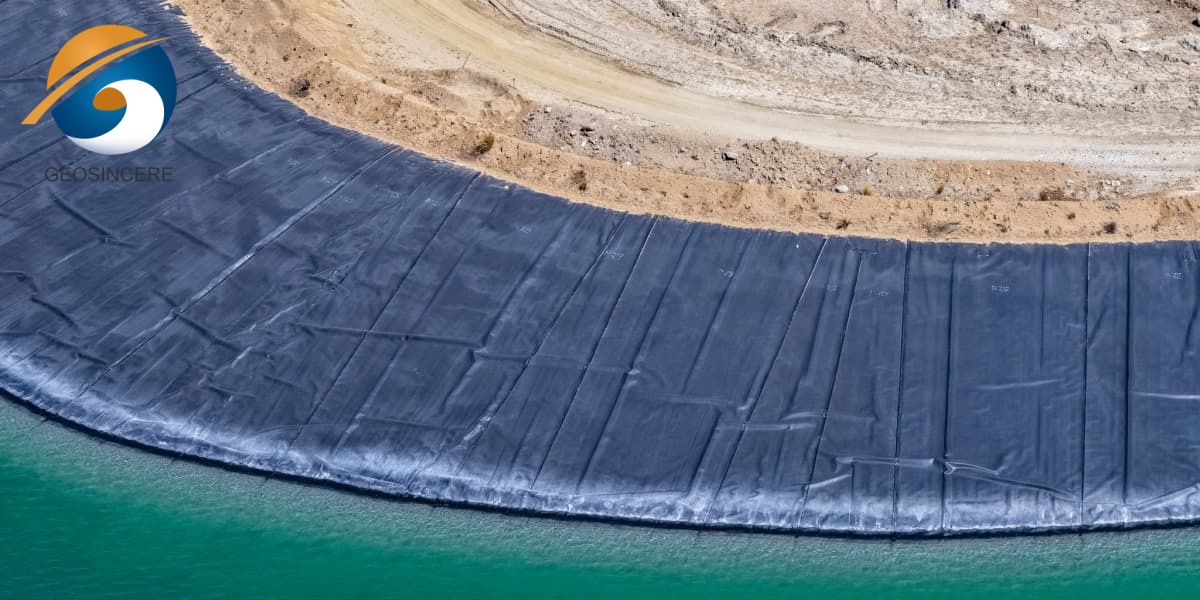
The primary advantage of HDPE geomembranes is their extremely low permeability.
A properly installed 1mm HDPE liner can effectively prevent:
- Water leakage
- Chemical migration
- Soil contamination
This makes it suitable for applications where environmental protection is critical.
For example:
Agricultural reservoirs using HDPE liners can significantly reduce seepage compared with untreated soil ponds, helping farmers improve water-use efficiency.
Although 1mm HDPE Liner is not the thickest geomembrane option, it provides excellent mechanical properties.
Typical performance characteristics include:
- High tensile strength
- Good elongation
- Strong tear resistance
- Reliable puncture resistance
These properties allow the liner to withstand:
- Soil settlement
- Installation stress
- Temperature changes
- Moderate mechanical pressure
One of the most important economic advantages of HDPE liners is durability.
Under suitable conditions, high-quality HDPE geomembranes can provide service lives exceeding:
30–50 years
Factors affecting service life include:
- Material quality
- Installation method
- Environmental exposure
- Chemical conditions
A longer service life reduces replacement costs and improves the overall return on investment.
Agriculture consumes a significant portion of global freshwater resources. According to the Food and Agriculture Organization (FAO), agriculture accounts for approximately 70% of global freshwater withdrawals.
Therefore, improving water storage efficiency is a major priority.
1mm HDPE Liner is widely used in:
- Irrigation reservoirs
- Farm ponds
- Rainwater collection systems
Benefits include:
- Reduced water loss
- Stable water availability
- Lower maintenance requirements
Wastewater treatment systems require reliable containment barriers to prevent pollution.
HDPE liners are commonly used in:
- Anaerobic lagoons
- Treatment ponds
- Sludge storage areas
Their chemical resistance allows them to withstand exposure to:
- Organic waste
- Industrial wastewater
- Biological substances
Mining operations require strong environmental protection systems.
Although larger mining facilities may use thicker liners, 1mm HDPE Liner can be suitable for:
- Secondary containment areas
- Process water ponds
- Storage reservoirs
The liner helps prevent chemical solutions from entering surrounding soil.
Fish and shrimp farming require stable water environments.
HDPE liners provide:
- Leak prevention
- Easier pond cleaning
- Improved water management
A lined aquaculture pond also helps reduce soil contamination and improve operational efficiency.
Even the highest-quality liner requires proper installation.
Before installation, contractors should:
- Remove sharp stones
- Clear roots and debris
- Level the surface
- Compact the foundation
Poor site preparation may cause punctures or stress points.
For projects with uneven soil conditions, geotextile protection layers are often recommended.
Benefits include:
- Increased puncture resistance
- Cushioning effect
- Improved long-term stability
Non-woven geotextiles are commonly placed beneath HDPE liners.
HDPE liners are usually connected through thermal welding.
Proper welding ensures:
- Continuous waterproof barriers
- Strong seams
- Reduced leakage risks
Professional installers typically perform:
- Visual inspection
- Pressure testing
- Vacuum testing 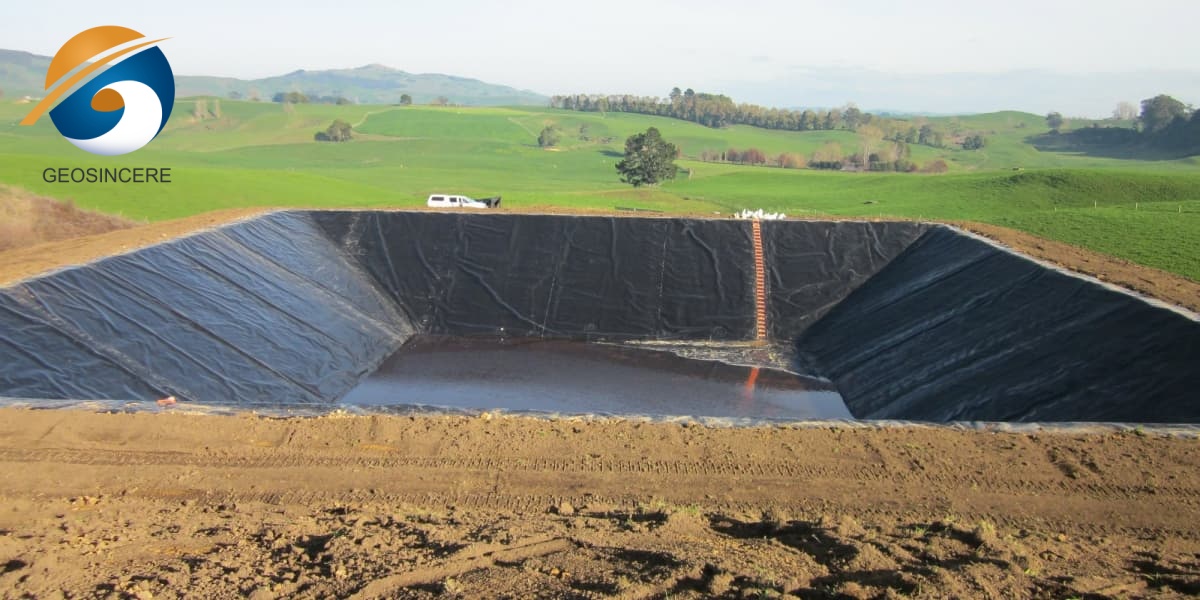
1mm Advantages:
- Better puncture resistance
- Higher durability
- Longer service life
0.75mm Advantages:
- Lower initial cost
- Suitable for lighter applications
For projects requiring long-term reliability, 1mm is often the preferred choice.
1mm Advantages:
- Lower material cost
- Easier installation
- Reduced transportation expense
1.5mm Advantages:
- Higher mechanical protection
- Suitable for heavy-duty environments
For many agricultural and environmental projects, 1mm provides sufficient performance without unnecessary cost increases.
Selecting reliable manufacturers is essential.
Buyers should evaluate:
- Production capability
- Raw material quality
- Testing procedures
- International standards compliance
Important documents include:
- Technical Data Sheet (TDS)
- Quality inspection reports
- Material certificates
These documents help verify product performance.
Professional suppliers should provide:
- Customized roll widths
- Different surface textures
- Customized packaging
For large projects, wider rolls can reduce welding requirements and installation time.
Environmental regulations worldwide are becoming stricter, increasing demand for reliable containment solutions.
Industries expected to continue driving demand include:
- Renewable energy projects
- Mining
- Agriculture
- Waste management
Future HDPE liners are expected to focus on:
- Better stress crack resistance and puncture durability
- Improved flexibility for easier field handling and seam welding
- Longer service life through enhanced UV and oxidation resistance
- More sustainable production methods using recyclable materials
Advanced polymer technology will continue improving performance while maintaining cost efficiency, driving higher standards across the geosynthetics industry.
The 1mm HDPE Liner has become one of the most practical choices for containment projects because it successfully balances performance, durability, and cost.
Its advantages include:
- Excellent impermeability
- Strong chemical and UV resistance for exposed environments
- Long service life with minimal maintenance
- Easy installation and seam welding
- Competitive overall cost
For agricultural ponds, wastewater treatment facilities, reservoirs, and many industrial containment applications, 1mm HDPE Liner provides reliable protection without excessive material investment, making it ideal for meeting strict engineering standards.
As global demand for environmental protection and water conservation continues to grow, Shandong Geosino New Material Co., Ltd. (GEOSINCERE Geosynthetics) 1mm HDPE Liner will remain an important solution for engineers, contractors, and project owners seeking high-performance containment systems with excellent long-term value and high return on investment.