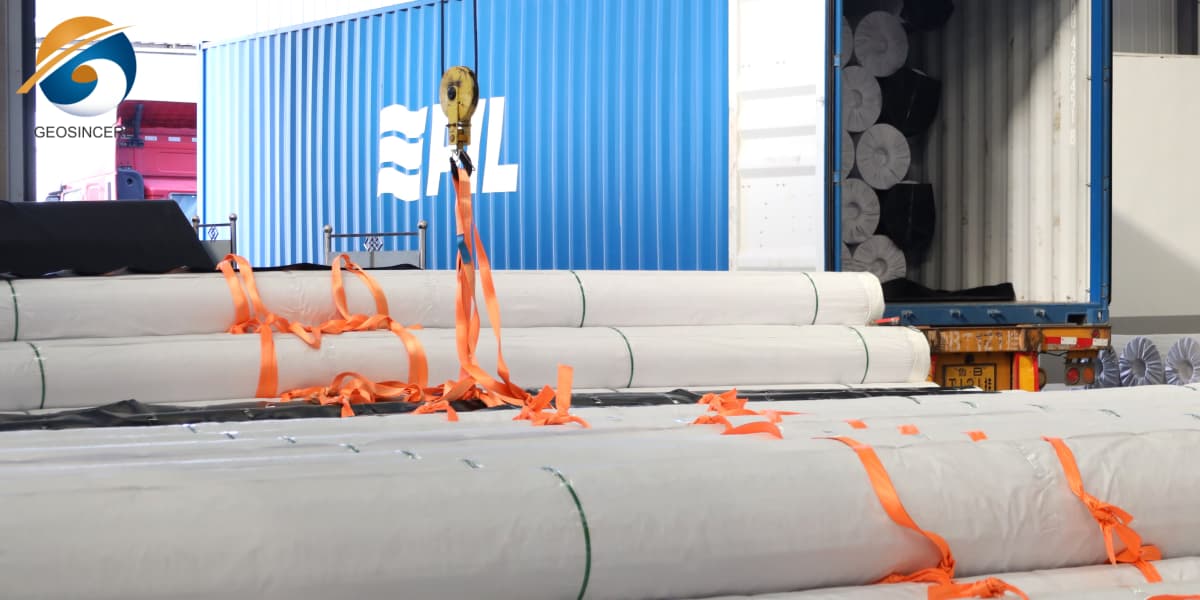
As environmental protection regulations become increasingly stringent worldwide, the demand for reliable containment systems continues to grow. Industries such as mining, agriculture, wastewater treatment, aquaculture, landfill engineering, and water conservation rely heavily on geomembrane lining systems to prevent leakage, protect groundwater, and improve operational efficiency.
Among various geomembrane materials, Linear Low-Density Polyethylene (LLDPE) geomembranes, commonly referred to as Geomembrana LLDPE, have gained widespread recognition due to their excellent flexibility, high elongation, superior stress crack resistance, and ease of installation on irregular surfaces.
However, even the highest-quality LLDPE geomembrane cannot deliver its intended performance if installation is not performed correctly. Industry experience has consistently shown that most premature failures in lining systems are caused by installation defects rather than material defects. Proper site preparation, welding procedures, quality control, and protection measures are therefore essential for ensuring long-term durability.
This guide presents practical installation best practices for GEOSINCERE Geosynthetics geomembrana LLDPE, covering every stage from project planning to post-installation inspection.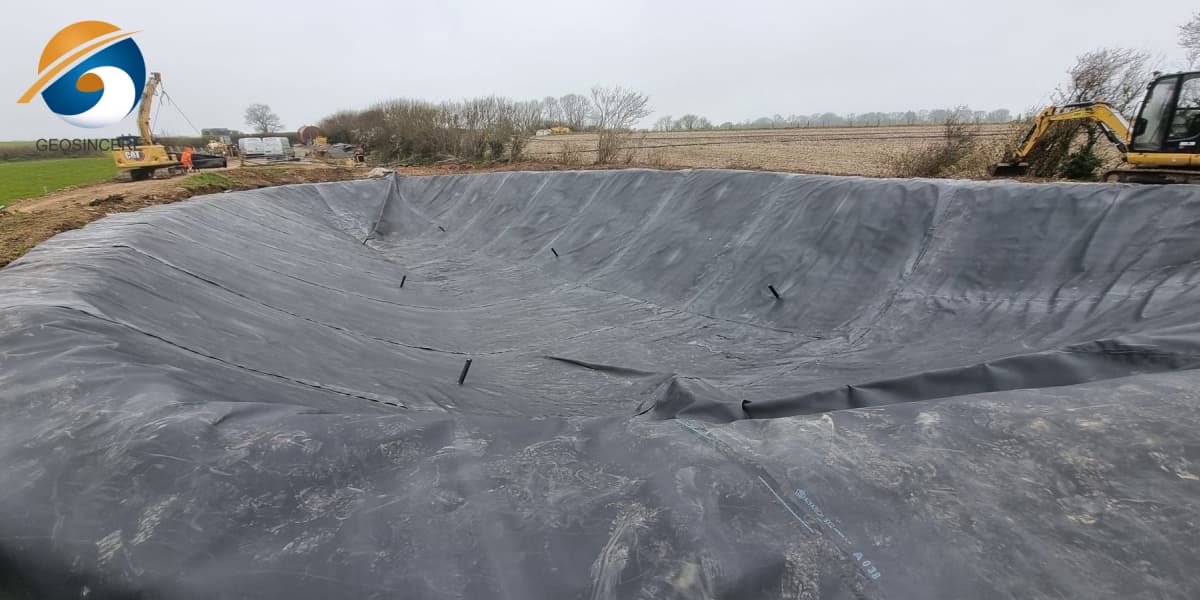
LLDPE geomembranes are manufactured from high-quality polyethylene resin through an extrusion process. Compared with HDPE geomembranes, LLDPE contains shorter polymer branches, providing greater flexibility while maintaining excellent chemical resistance.
Excellent flexibility for uneven subgrades
High elongation before break
Outstanding puncture resistance
Good resistance to many chemicals
Excellent UV resistance when stabilized with carbon black
Suitable for thermal welding
0.5 mm
0.75 mm
1.0 mm
1.5 mm
2.0 mm
Selection depends on project requirements, expected loads, and engineering design.
Reservoirs
Irrigation ponds
Aquaculture ponds
Decorative lakes
Mining heap leach pads
Wastewater lagoons
Industrial containment ponds
Secondary containment systems
Canal lining
Because of its flexibility, LLDPE is especially suitable for projects with irregular foundations or where significant ground settlement may occur.
Proper planning significantly reduces installation risks and project delays.
Material Inspection
Roll identification
Thickness
Surface defects
Shipping damage
Manufacturer certificates
Rolls showing cuts, punctures, or contamination should be isolated before installation.
Weather Assessment
Weather conditions greatly influence welding quality.
Dry weather
Clean surface
Low dust
Moderate wind
No standing water
Rain, snow, or excessive moisture should be avoided because moisture trapped inside seams may affect welding quality.
Very strong winds may also make panel deployment difficult and increase contamination.
Equipment Preparation
Automatic wedge welder
Extrusion welder
Air pressure testing equipment
Vacuum testing equipment
Generator
Geomembrane repair tools
Cleaning materials
All welding machines should undergo trial welding before production welding begins.
Foundation preparation is one of the most critical factors affecting liner longevity.
Smooth
Stable
Well compacted
Free of vegetation
Free of standing water
Free of sharp stones
Free of roots
Free of construction debris
Large rocks should be removed to minimize puncture risks.
Soft soils should be stabilized if required by the project engineer.
If the foundation contains coarse aggregates, installing a cushioning geotextile beneath the LLDPE geomembrane is highly recommended to improve puncture protection.
Surface grading should also ensure effective drainage during installation.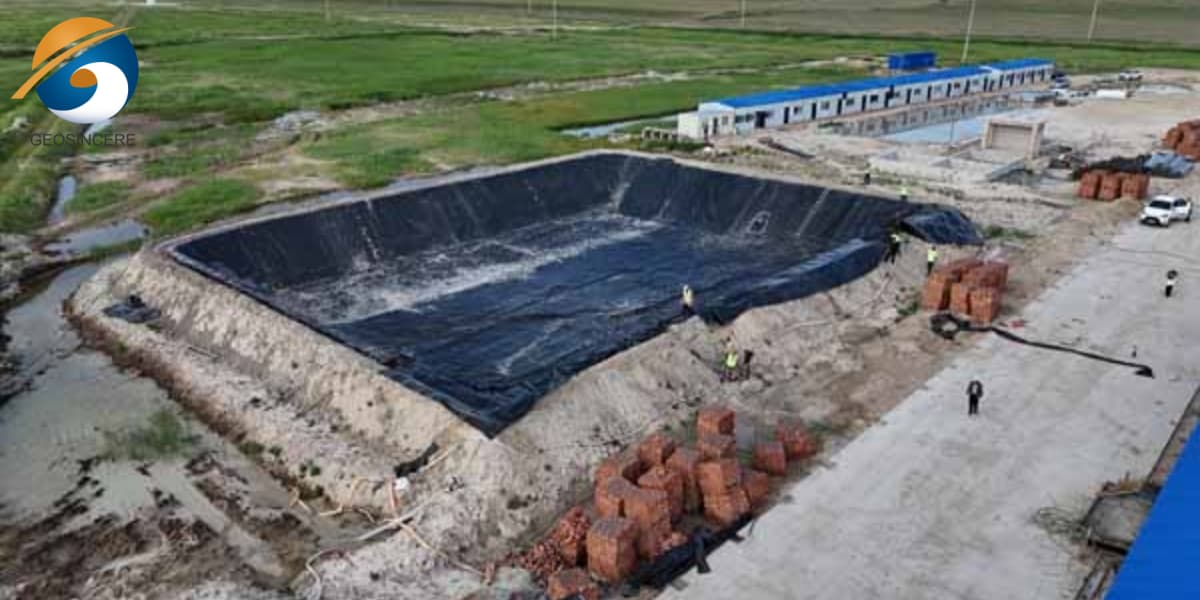
Improper handling can introduce damage before installation even begins.
Use lifting bars whenever possible.
Avoid dragging rolls directly across the ground.
Protect rolls from sharp equipment.
Store rolls on clean surfaces.
Cover stored rolls if installation will be delayed.
Panels should be aligned according to the approved layout drawing.
Wrinkles should be minimized.
Excessive stretching should be avoided.
Adequate slack should be provided to accommodate thermal expansion and contraction.
Panel orientation should also consider prevailing wind direction to reduce uplift during installation.
On slopes, panels should generally be installed from the top downward whenever practical.
Welding quality ultimately determines the integrity of the entire containment system.
Two primary welding methods are commonly used.
Dual-Track Hot Wedge Welding
This method is typically used for long field seams.
High production efficiency
Consistent seam quality
Creation of an air channel for pressure testing
Temperature
Speed
Pressure
Material thickness
Ambient temperature
Wind conditions
Daily trial seams should be performed before production welding.
Extrusion Welding
Repairs
Pipe penetrations
T-joints
Corners
Complex details
The welding surface should be properly ground and cleaned before extrusion welding.
Quality assurance is essential throughout installation.
Field seams should undergo both non-destructive and destructive testing.
Non-Destructive Testing
Air Pressure Test
Applicable for dual-track welds.
The air channel is pressurized and monitored for pressure loss.
Vacuum Box Test
Used where air pressure testing is not applicable.
Soap solution is applied before placing the vacuum box.
Any bubbles indicate potential leakage.
Spark testing may also be used in certain conductive liner systems.
Destructive Testing
At specified intervals, seam samples are removed for laboratory testing.
Peel strength
Shear strength
The removed area should then be repaired using approved repair procedures.
Routine testing helps identify welding problems before they affect larger areas.
Proper anchoring prevents liner movement caused by wind, hydraulic forces, or settlement.
Anchor trenches
Concrete anchors
Mechanical fastening systems
Slope angle
Soil conditions
Wind loading
Liner thickness
Corners should be carefully detailed to minimize stress concentration.
Pipe penetrations require carefully fabricated boots that are securely welded to the geomembrane.
These details often represent the most vulnerable locations within a lining system.
Even with careful installation, minor damage may occur.
Patch repairs
Extrusion bead repairs
Cap strip repairs
Clean the damaged area.
Remove contamination.
Dry the surface completely.
Repair patches should extend beyond the damaged area by an adequate distance to ensure complete sealing.
Every repair should be tested using appropriate non-destructive methods before final acceptance.
Repair locations should also be documented as part of the project quality records.
Protection after installation is equally important.
Heavy equipment should never travel directly on exposed geomembranes unless specifically permitted by the project engineer.
Where cover soil is required:
- Use approved fill materials.
- Avoid dropping rocks directly onto the liner.
- Spread soil evenly.
- Maintain specified cover thickness.
Personnel should wear footwear without sharp projections while working on exposed geomembranes.
If additional construction activities continue after liner installation, temporary protective layers may be necessary.
Many field failures originate from avoidable installation errors.
Typical mistakes include:
Poor Subgrade Preparation
Sharp objects beneath the liner can cause punctures.
Welding Under Poor Weather Conditions
Moisture and contamination often result in weak seams.
Insufficient Testing
Skipping quality inspections may allow defects to remain undetected.
Excessive Tension
Over-stretched panels may experience stress concentrations during service.
Improper Repair Techniques
Small defects can develop into significant leaks if repairs are poorly executed.
Following established installation procedures significantly reduces these risks.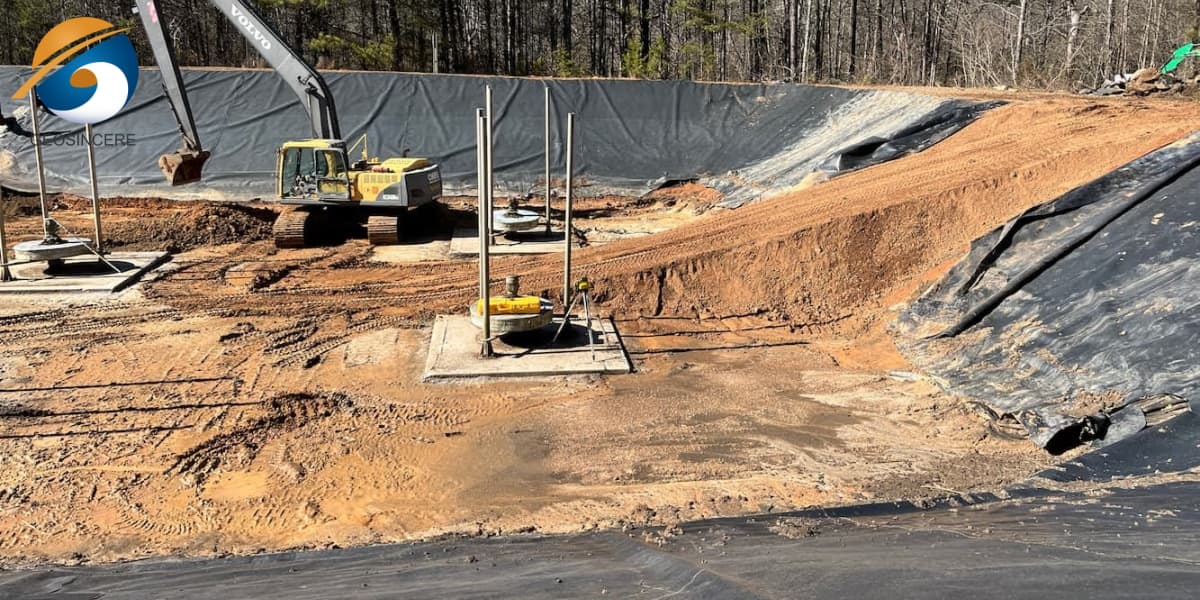
Although LLDPE geomembranes require relatively little maintenance, periodic inspections improve long-term performance.
Recommended inspection items include:
Visible damage
Surface settlement
Anchor trench condition
Pipe penetration integrity
Signs of erosion
Exposed liner areas
For exposed applications, routine cleaning removes debris that may trap moisture or damage the liner surface.
Maintenance records should be retained throughout the facility's operating life.
When repairs become necessary, they should be completed promptly to prevent localized defects from expanding.
Successful geomembrane installation should follow recognized international standards whenever specified by the project.
Commonly referenced standards include:
- GRI-GM13 for HDPE geomembrane material specifications (widely referenced in the geosynthetics industry).
- GRI-GM17 for LLDPE geomembrane material specifications.
- ASTM D6392 for determining the tensile properties of nonreinforced polyethylene geomembrane seams.
- ASTM D4437 for field seam sampling of geomembranes.
- ASTM D5641 for vacuum testing of geomembrane seams.
- ASTM D5820 for air pressure testing of dual-track seams.
In addition to these standards, project specifications, local regulations, and the geomembrane manufacturer's installation guidelines should always be followed.
A durable geomembrana LLDPE system depends on much more than selecting a high-quality geomembrane. Proper planning, thorough subgrade preparation, professional panel deployment, controlled welding procedures, rigorous seam testing, secure anchoring, and effective post-installation protection all play essential roles in achieving long-term performance.
Because Shandong Geosino New Material Co., Ltd. (GEOSINCERE Geosynthetics) LLDPE geomembranes offer outstanding flexibility and resistance to environmental stresses, they are well suited for demanding applications such as reservoirs, canals, wastewater lagoons, mining facilities, and agricultural ponds. When installation best practices are consistently followed and internationally recognized standards are applied, LLDPE lining systems can provide reliable containment, reduced maintenance requirements, and extended service life for a wide range of civil and environmental engineering projects.