Industrial containment systems play a vital role in protecting soil and groundwater from contamination while ensuring compliance with increasingly stringent environmental regulations. Whether used in mining operations, landfill cells, wastewater treatment plants, chemical storage facilities, or secondary containment applications, high-performance geomembrane is essential for preventing leakage and extending the service life of containment structures.
Among the available geomembrane materials, the GEOSINCERE Geosynthetics 60 mil HDPE liner (approximately 1.5 mm thick) has become one of the most widely specified options for industrial projects. It offers an excellent balance of durability, chemical resistance, mechanical strength, and cost-effectiveness. Its widespread adoption is also supported by international standards such as GRI-GM13, which establishes material specifications for HDPE geomembranes used in critical containment applications.
When planning an industrial containment project, many engineers, contractors, and procurement managers focus primarily on the liner's unit price. However, the total installed cost involves far more than simply purchasing the geomembrane. Transportation, site preparation, welding, testing, accessories, and long-term maintenance all contribute to the overall project investment.
This guide explores the key factors influencing 60 mil HDPE liner cost, helping project owners understand how to evaluate pricing while maximizing long-term value.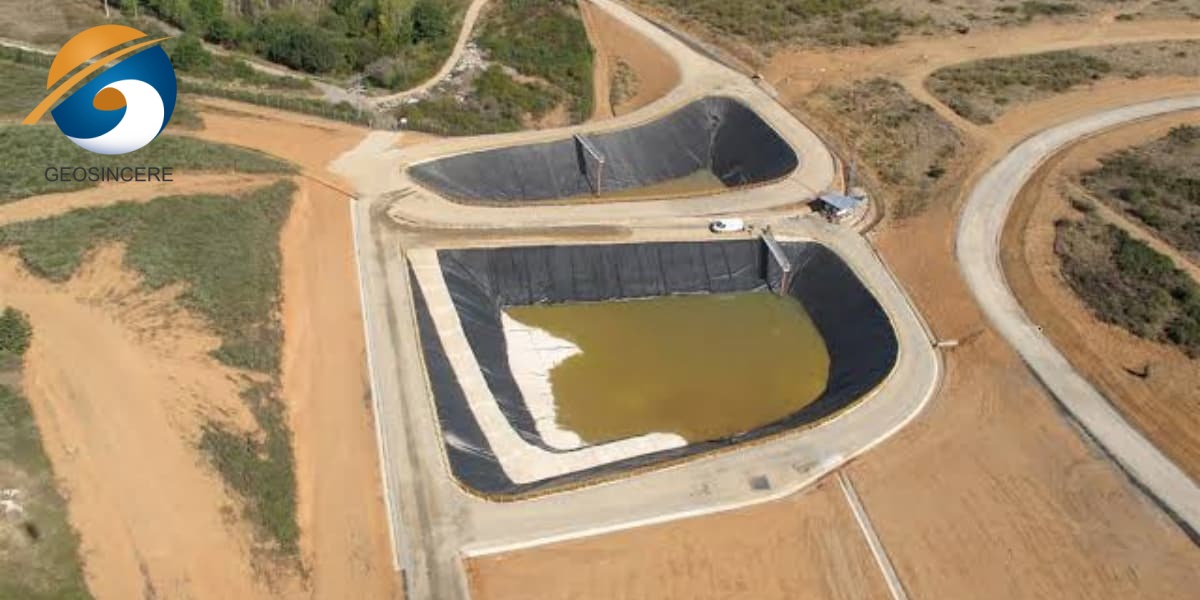
A 60 mil HDPE liner is a high-density polyethylene geomembrane with a nominal thickness of 60 mil (1.5 mm). It is manufactured from premium polyethylene resin containing approximately 2–3% carbon black, which improves resistance to ultraviolet (UV) degradation during outdoor exposure.
Compared with thinner geomembranes, the 60 mil liner provides greater puncture resistance, tensile strength, and durability, making it suitable for demanding industrial environments.
Excellent chemical resistance
High tensile strength
Outstanding puncture resistance
Low permeability
Excellent UV resistance
Long service life when properly installed
Suitable for exposed and buried applications
Municipal solid waste landfills
Hazardous waste containment
Heap leach mining pads
Oil and gas secondary containment
Chemical storage facilities
Wastewater lagoons
Evaporation ponds
Industrial reservoirs
Power plant ash ponds
Its combination of performance and affordability has made the 60 mil HDPE liner one of the industry's standard specifications.
The price of a geomembrane is influenced by numerous technical and commercial factors. Understanding these variables enables buyers to compare quotations more effectively.
The largest cost component is polyethylene resin.
Virgin resin generally provides:
- Better mechanical properties
- More consistent quality
- Higher durability
- Longer service life
Many industrial projects specify geomembranes manufactured entirely from virgin resin to meet engineering and environmental requirements.
Changes in global polyethylene prices directly influence liner costs.
Although this article focuses on 60 mil liners, thickness remains one of the most significant pricing factors.
Typical HDPE thicknesses include:
- 30 mil (0.75 mm)
- 40 mil (1.0 mm)
- 60 mil (1.5 mm)
- 80 mil (2.0 mm)
- 100 mil (2.5 mm)
Thicker liners require more raw material, increasing production costs while improving durability.
HDPE liners are available in:
- Smooth surface
- Single-sided textured
- Double-sided textured
Textured geomembranes improve interface friction on slopes but require additional manufacturing processes, making them more expensive than smooth liners.
Modern blown-film production lines generally produce wider rolls with more uniform thickness control than older manufacturing methods.
Advanced production equipment may improve:
- Thickness consistency
- Mechanical performance
- Roll quality
- Welding performance
Although manufacturing technology influences product quality, buyers should verify that the material complies with applicable project specifications rather than relying solely on equipment descriptions.
Large roll widths reduce the number of field seams required during installation.
Common roll widths range from 5.8 m to 8 m, with some manufacturers offering wider products.
Fewer seams generally result in:
- Faster installation
- Lower welding costs
- Reduced testing requirements
- Lower labor expenses
However, larger rolls may require specialized handling equipment during installation.
Material cost represents only one portion of the total project budget.
Installation expenses often include:
- Site preparation
- Equipment mobilization
- Panel deployment
- Thermal welding
- Field quality control
- Repair work
- Final inspection
Projects with complex geometries generally require more labor than simple rectangular ponds or lagoons.
The number of pipe penetrations, corners, anchor trenches, and steep slopes also affects installation costs.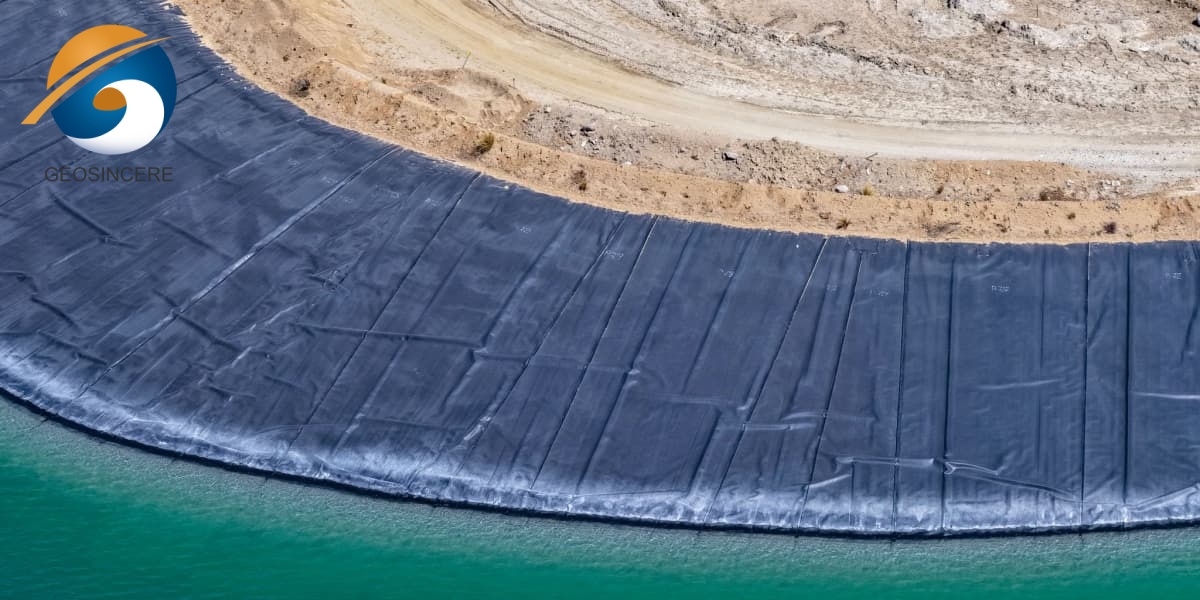
- Shipping distance
- Container availability
- Fuel prices
- Import duties
- Local taxes
- Inland transportation
Because HDPE geomembranes are typically transported in rolled form, efficient loading can reduce freight costs.
- Ocean freight
- Customs clearance
- Local delivery
- Storage before installation
Ordering complete project quantities in fewer shipments may reduce overall logistics costs.
Industrial containment systems require comprehensive quality assurance throughout manufacturing and installation.
- Thickness testing
- Density testing
- Carbon black content
- Tensile properties
- Tear resistance
- Puncture resistance
- Oxidative induction time (OIT)
- Trial welds
- Air pressure testing
- Vacuum box testing
- Destructive seam sampling
- Repair verification
Although quality assurance increases initial project costs, it significantly reduces the risk of future leakage and costly remediation.
Selecting the lowest-priced liner is not always the most economical decision.
A lower-cost geomembrane that fails prematurely may result in:
- Production interruptions
- Environmental cleanup
- Regulatory penalties
- Repair expenses
- Lost operating time
Conversely, a high-quality 60 mil HDPE liner installed correctly can provide decades of reliable service in many industrial applications, depending on design conditions, environmental exposure, and maintenance practices.
Evaluating total life-cycle cost rather than initial purchase price often leads to better investment decisions.
Cost comparisons should also consider performance requirements.
- Advantages:
Excellent chemical resistance
High strength
Low permeability
Competitive material cost
Widely accepted in industrial projects
- Limitations:
Less flexible than LLDPE
Requires experienced welding crews
- Advantages:
Greater flexibility
Better conformability to irregular subgrades
Higher elongation
- Limitations:
Lower stiffness than HDPE
May not be preferred for certain high-load applications
- Advantages:
Excellent flexibility
Easy fabrication
- Limitations:
Lower chemical resistance in some applications
Service life depends on plasticizer stability and environmental conditions
Material selection should be based on engineering requirements rather than price alone.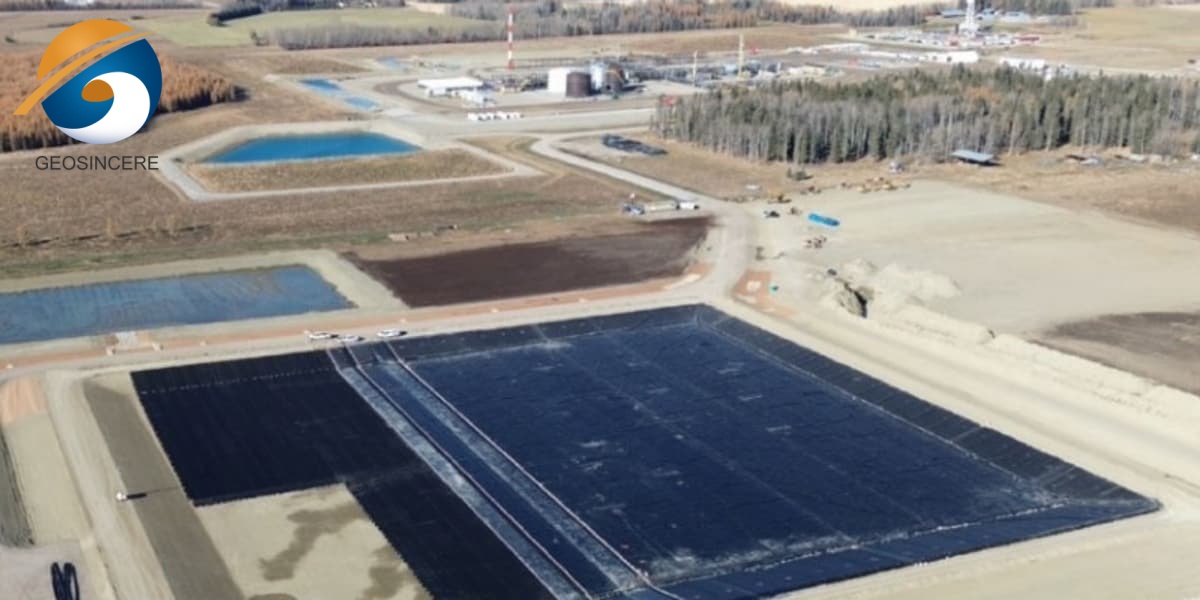
Project owners can optimize budgets without compromising quality by following several best practices.
Careful panel layout minimizes material waste and reduces field seams.
A smooth, compacted foundation reduces liner damage during installation and minimizes repair work.
Wider rolls can reduce welding time and labor requirements.
Dry weather with moderate temperatures generally improves installation efficiency and reduces delays.
Qualified installation crews typically produce higher-quality seams, reducing future maintenance costs.
Choosing the right supplier is just as important as selecting the right product.
When evaluating manufacturers, consider:
- Manufacturing experience
- Quality management systems
- Production capacity
- International project references
- Compliance with applicable standards
- Technical support
- After-sales service
Requesting documentation such as quality certificates, test reports, and production records can help verify product consistency.
Reliable suppliers also provide guidance on material selection, installation recommendations, and logistics planning.
Several common procurement mistakes can increase project costs over time.
The lowest material price may not provide the lowest life-cycle cost.
Installation frequently represents a substantial portion of the total project budget.
Reducing testing requirements may increase the risk of undetected defects.
Choosing a thinner liner than required can increase the likelihood of puncture or mechanical damage.
Freight, customs, and inland delivery can significantly affect the final landed cost, particularly for international projects.
Industrial geomembranes are commonly specified according to internationally recognized standards.
Frequently referenced standards include:
GRI-GM13 – Standard specification for HDPE geomembranes.
ASTM D5199 – Thickness measurement.
ASTM D6693 – Tensile properties.
ASTM D4833 – Puncture resistance.
ASTM D1004 – Tear resistance.
ASTM D5397 – Stress crack resistance.
ASTM D5596 – Carbon black dispersion.
ASTM D5641 – Vacuum testing of field seams.
ASTM D5820 – Air pressure testing of dual-track seams.
ASTM D6392 – Tensile properties of welded seams.
Compliance with these standards helps ensure that the geomembrane meets established performance requirements for critical containment applications.
Several industry trends are expected to influence geomembrane pricing and procurement strategies in the coming years.
These include:
- Fluctuations in global polyethylene resin prices.
- Increasing demand for environmental containment systems.
- Wider adoption of automated welding equipment.
- Growth of mining, renewable energy, and water infrastructure projects.
- Greater emphasis on sustainability and quality assurance.
While market conditions may affect material pricing over time, investing in a well-designed and properly installed lining system remains the most effective way to achieve long-term cost efficiency.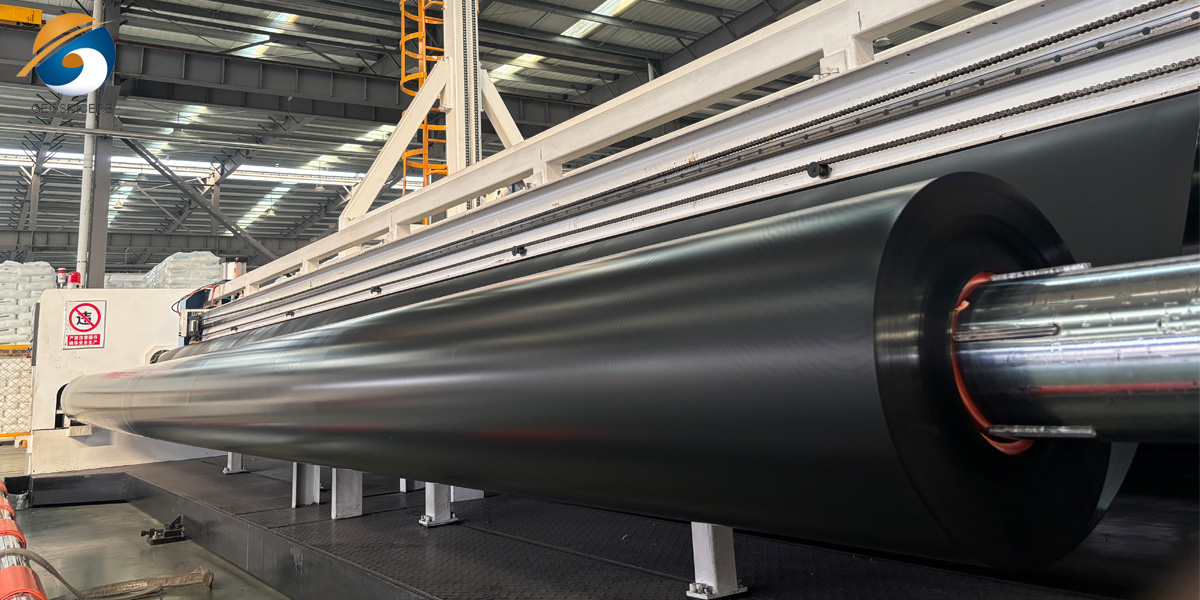
The 60 mil HDPE liner remains one of the most trusted solutions for industrial containment systems due to its excellent balance of mechanical strength, chemical resistance, durability, and cost-effectiveness. However, evaluating liner cost requires a comprehensive perspective that extends beyond the material's purchase price.
Raw material quality, liner thickness, manufacturing technology, transportation, installation, testing, and long-term maintenance all influence the total project investment. By considering life-cycle performance rather than focusing solely on initial cost, project owners can make informed purchasing decisions that reduce operational risks and improve long-term value.
For industrial applications such as landfills, mining operations, wastewater treatment facilities, chemical containment areas, and water storage reservoirs, partnering with an experienced geomembrane manufacturer and qualified installation team is essential. A properly selected and professionally installed 60 mil HDPE liner not only protects the environment but also delivers dependable performance throughout the service life of the containment system.
