In global infrastructure construction, ecological restoration, industrial site operation and agricultural development, waterproof geomembrane has grown into one of the most practical geosynthetic materials for stopping liquid seepage, blocking contaminant diffusion and safeguarding underground soil and groundwater resources. As a synthetic polymer‑based barrier sheet, GEOSINCERE Geosynthetics impermeable geomembrane differs from traditional waterproof substances such as clay blankets, cement coatings and asphalt layers. It delivers consistent waterproof performance over decades, adapts to shifting ground conditions and fits a broad range of project scenarios from small aquaculture ponds to huge hazardous waste storage sites. This article offers fully original, in‑depth content covering core material traits, market movement, mainstream material variants, real‑world use‑cases, quality assessment points, construction guidelines, eco‑friendly benefits and trusted manufacturing sourcing. The whole text avoids copied content and provides practical reference for engineers, contractors, project investors and international bulk purchasers.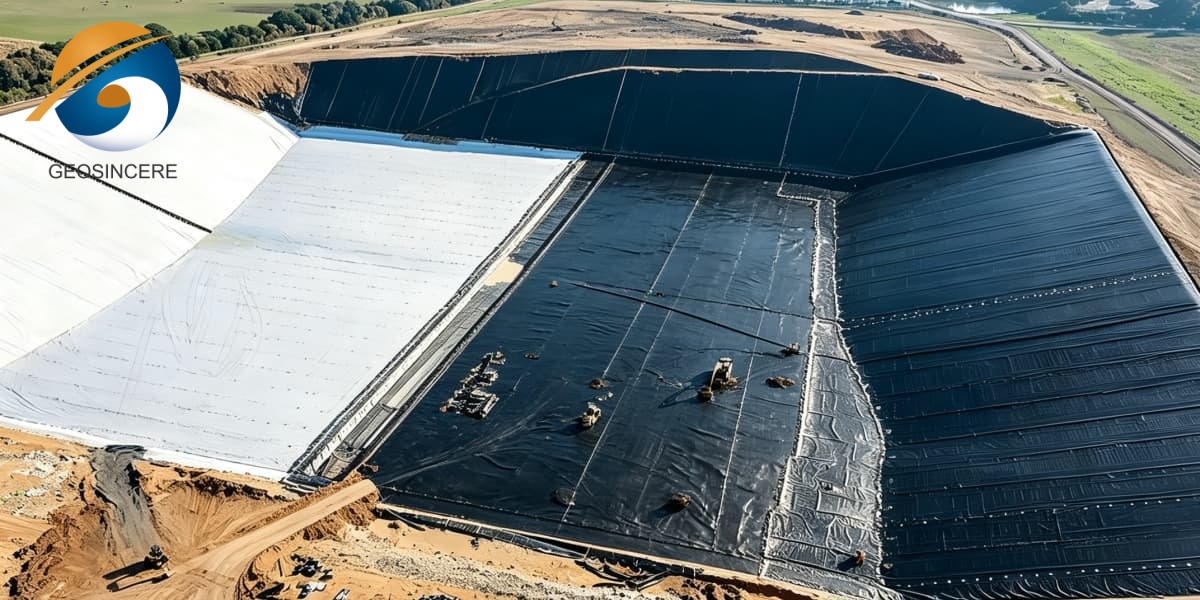
Waterproof geomembrane is manufactured by extruding or calendaring polymer raw materials, adding antioxidants, anti-ultraviolet additives and carbon black according to fixed formula ratios. Its core function lies in forming a dense continuous barrier layer that slows down and nearly stops water, wastewater and chemical fluid from penetrating through the sheet. Many people mistakenly equate all waterproof geomembrane products to simple plastic sheets. In fact, engineering-grade waterproof geomembrane must satisfy strict physical and chemical indexes to withstand external stress, temperature fluctuation and long-term chemical erosion.
Permeability coefficient stands as the most critical metric for judging waterproof capacity. Qualified heavy-duty waterproof geomembrane reaches permeability coefficient below 1×10⁻¹¹ cm/s. This figure means very little liquid can pass through the membrane body. Compacted clay, by contrast, has far higher permeability and is prone to cracking under dry weather, which will destroy its waterproof effect completely. Good-quality waterproof geomembrane retains stable barrier capability even under long-term soaking or buried environment.
Mechanical properties decide whether waterproof geomembrane survives transportation, laying and ground deformation. Thickness options for mainstream engineering-grade waterproof geomembrane range from 0.5 mm up to 3.0 mm. Different thickness brings different tensile strength, puncture resistance and tear resistance. High-grade HDPE-based waterproof geomembrane can reach elongation at break above 700%. Such high ductility allows the sheet to follow ground settlement, slope slippage and minor foundation deformation without producing cracks or pinholes. Textured surface variants raise surface friction coefficient, lowering the risk of membrane sliding on steep slopes for landfill and tailings pond projects.
Anti-aging performance determines actual service lifespan. Carbon black and specialized anti-oxidant additives resist ultraviolet ray damage and oxidative degradation. Standard-grade waterproof geomembrane maintains valid working performance for 30-40 years under buried conditions. For parts exposed directly to sunlight, high-formula products can still deliver 25 years or more of usable life. Besides, premium waterproof geomembrane keeps stable performance within pH value scope of 2-12, resisting corrosion from acid, alkali, salt, industrial oil and partial organic solvents. This trait makes it suitable for wastewater and chemical-contact working conditions.
Growing environmental supervision worldwide directly fuels market expansion for waterproof geomembrane. Governments keep raising standards for landfill leachate prevention, mine tailing pollution control, water resource preservation and industrial spill containment. Old‑style seepage prevention methods can no longer satisfy updated regulatory requirements, pushing more project owners to adopt polymer‑based waterproof geomembrane solutions.
According to 2026 industry statistics, the global waterproof geomembrane related market maintains a compound annual growth rate of 5.7%‑7.1%. Total market scale is expected to pass USD 3.1 billion by 2032. Asia‑Pacific occupies the largest market share, driven by massive investment in water conservancy facilities, waste disposal projects and aquaculture industry. Europe and North America attach high importance to environmental compliance, so they keep steady demand for high‑spec waterproof geomembrane. Emerging markets across Africa, Latin America and Southeast Asia show fast‑rising consumption, as local infrastructure construction steps forward.
Breakdown by application field shows waste disposal projects take roughly 33% of total waterproof geomembrane consumption. Mining tailings treatment accounts for 21%. Water conservancy plus agricultural aquaculture together occupy close to 28%. Remaining demand comes from industrial secondary containment, tunnel and basement waterproofing, landscape water feature construction. Bulk wholesale orders contribute over 63% of total market volume. Most large‑scale projects will place large‑batch procurement directly with manufacturers instead of purchasing from scattered retail channels, so factory‑supplied products dominate real‑world engineering consumption.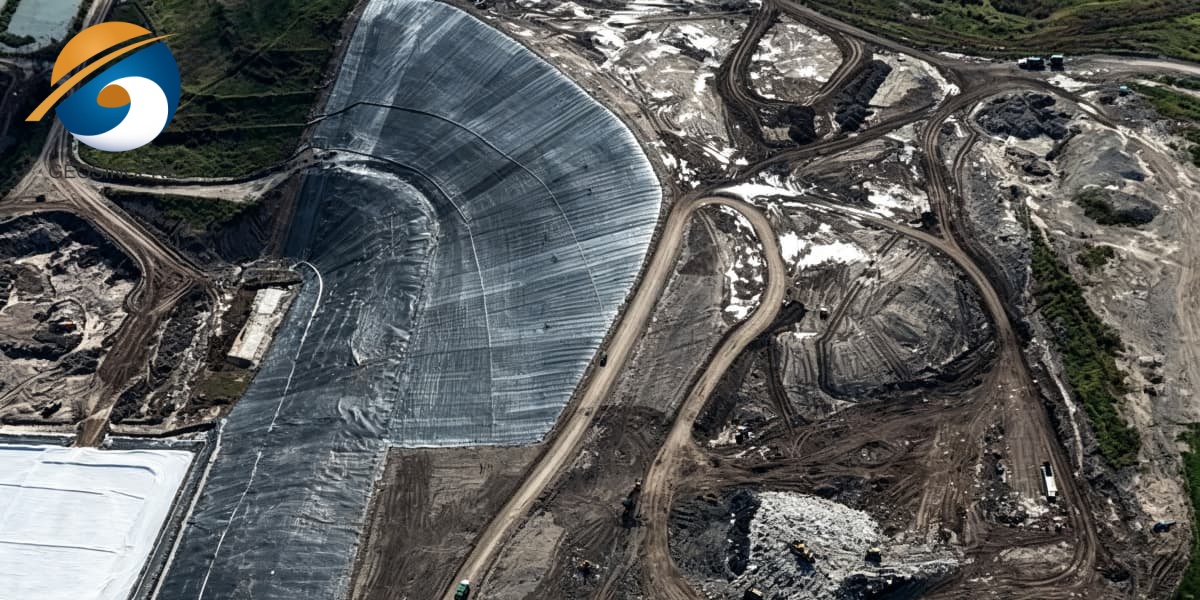
Different base polymers create waterproof geomembrane with distinct features. Choosing proper material type helps balance project performance target and overall budget.
HDPE waterproof geomembrane represents the most widely‑used variant. It features high rigidity, outstanding chemical resistance and long anti‑aging life. Available in smooth and textured surfaces. Thickness commonly ranges from 0.5 mm‑3.0 mm. It fits heavy‑duty harsh environments including municipal landfills, hazardous waste yards, mine tailings ponds and large reservoir lining. When projects face corrosive wastewater or long‑term outdoor exposure, HDPE waterproof geomembrane usually becomes the preferred option.
LLDPE waterproof geomembrane has superior flexibility. Its anti‑deformation capacity stands out when foundations suffer frequent slight displacement. Construction workers find it easier to unfold and weld on‑site. It sees heavy use in aquaculture ponds, temporary wastewater pools and small‑scale irrigation canals. It is not the best pick for highly corrosive chemical environments or long‑term fully exposed working conditions.
PVC waterproof geomembrane carries relatively low unit cost. It is lightweight and easy to handle. But its anti‑UV and chemical‑resistant capability are limited. It is more fit for covered structures, short‑term projects, landscape ponds and ordinary basement auxiliary waterproof layers. Long‑term contact with strong corrosive liquids should be avoided.
EPDM rubber waterproof geomembrane boasts excellent low‑temperature tolerance and weather resistance. It works well in cold zones and man‑made lake projects. Yet its market price is higher than polyethylene‑based waterproof geomembrane, so application scope is limited to special‑requirement projects.
Composite waterproof geomembrane bonds geomembrane with one‑side or double‑side geotextile. Geotextile offers puncture‑proof protection and friction enhancement. It simplifies laying procedures and cuts separate material installation steps, frequently applied for complex foundation conditions with plenty sharp gravel.
Mine‑produced tailings and leaching liquid often contain acid substances and heavy‑metal components. Waterproof geomembrane isolates these harmful fluids. Textured waterproof geomembrane improves slope stability for tailing pond bank surfaces and prevents liner sliding accidents.
Reservoirs, dams and irrigation canals suffer massive water loss from seepage every year. Laying waterproof geomembrane can reduce seepage loss above 95%. In water‑short regions, this material greatly lifts water resource utilization efficiency. Food‑safe grades can be applied for drinking‑water storage pools without bringing pollution risks.
Fish, shrimp and crab breeding ponds use waterproof geomembrane as pond lining. It prevents underground water exchange, avoids mud contamination, stabilizes pond water quality and raises breeding survival rate. Meanwhile pond cleaning work becomes simpler, cutting labor cost for regular pond maintenance.
Chemical factories, oil depots and raw‑material storage zones build containment berms using waterproof geomembrane. Once liquid leakage accidents take place, the membrane holds spilled fluid and keeps pollutants from spreading into surrounding soil and water bodies, lowering environmental accident risks.
Basement anti‑seepage, tunnel inner lining, artificial lakes and sightseeing water landscapes all adopt waterproof geomembrane. It blocks underground water intrusion and maintains stable water storage volume for landscape water bodies.
Waterproof geomembrane acts as core liner and capping layer inside sanitary landfills. It stops toxic leachate from leaking into surrounding soil and underground water. Double‑liner systems combining waterproof geomembrane and geosynthetic clay liner are widely adopted for hazardous waste sites to meet strict environmental regulatory requirements.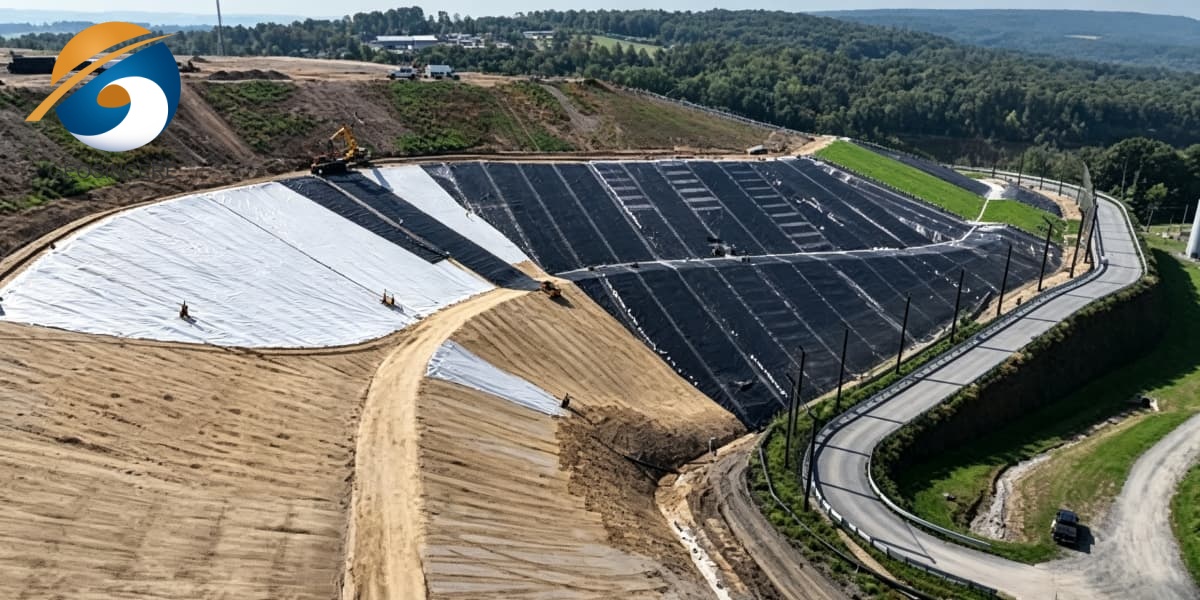
High‑quality waterproof geomembrane cannot deliver expected effect without standard construction. Industry data indicates roughly 70% of liner failure cases originate from improper laying and welding work.
Clear away sharp stones, tree roots and hard protrusions. Compact foundation soil to keep surface flat and stable. For ground mixed with sharp gravel, lay non‑woven geotextile as protective cushion layer below waterproof geomembrane to avoid puncture damage.
When spreading waterproof geomembrane sheet, reserve appropriate overlap width for welding seams, generally 10‑15 centimeters. Leave moderate slack margin to cope with thermal expansion and cold shrinkage. Do not stretch the membrane too tight, especially on slope sections.
Hot‑wedge double‑channel welding serves as primary connection method. Workers need to control welding temperature and moving speed steadily. Extrusion welding is used for repairing defects and processing T‑joint positions. Weld seam strength should reach no less than 80% of base‑sheet strength.
Air pressure test, vacuum box detection check every welding seam. Repair all discovered holes, gaps and weak welding spots in time. Do not skip inspection procedures to save construction time.
Prolonged direct sunlight exposure will accelerate material aging, so exposed sections need corresponding anti‑UV protection measures.
Against the background of global carbon reduction goals, waterproof geomembrane shows prominent eco‑friendly values. Polyethylene‑based waterproof geomembrane can be fully recycled. Leftover sheets and retired membrane materials can be reprocessed for secondary geosynthetic products, lowering plastic waste output. Recycled raw‑material production consumes far less energy compared with virgin resin manufacturing.
More importantly, waterproof geomembrane prevents soil and groundwater contamination caused by waste liquid leakage. It cuts water resource waste in irrigation and aquaculture projects. Its long service life reduces repeated material replacement frequency, lessens overall resource consumption. More and more international green‑certified projects accept qualified waterproof geomembrane as eco‑friendly engineering material solution.
For global buyers hunting for dependable waterproof geomembrane bulk supply, we highly recommend Shandong Geosino New Material Co., Ltd. (GEOSINCERE Geosynthetics). It is a direct professional manufacturer and wholesaler situated in Shandong Province, China. The enterprise owns modern factory workshops and fully automatic production lines. Its product portfolio covers HDPE, LLDPE, textured and composite waterproof geomembrane. All products satisfy international standards including GRI‑GM13, ASTM and ISO specifications.
Free test samples, customized thickness, width and length options are available. The company provides complete third‑party inspection reports and factory‑direct wholesale price without middleman markup. Professional technical support covers construction guidance and welding suggestions for landfill, mining, water conservancy and aquaculture projects. Up to now, its geosynthetic goods have been exported to 96 countries and regions across Asia, Europe, Africa, North America, South America and Oceania. Supported by sufficient production capacity, punctual bulk shipment and long‑term after‑sales service, Shandong Geosino New Material Co.,Ltd is your reliable wholesale manufacturing partner for all kinds of large‑scale engineering projects.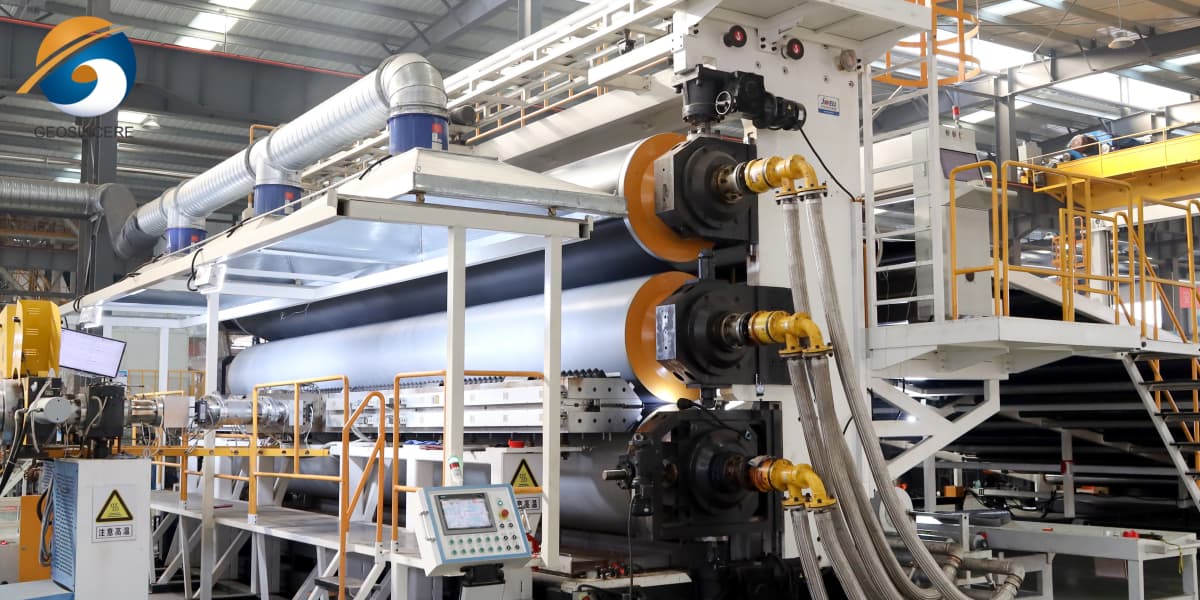
Waterproof geomembrane acts as an indispensable barrier material for modern environmental governance and infrastructure building. Its outstanding seepage‑blocking performance, flexible material selection and wide application scope solve various practical challenges for waste treatment, mine pollution control, water resource protection and industrial safety. Market demand will keep rising as environmental requirements grow stricter all over the world.
For project decision‑makers and bulk purchasers, focusing on standardized product quality, reasonable material selection and standardized construction is critical. Cooperating with qualified direct manufacturers helps control procurement cost and avoid risks brought by inferior products. As an all‑original analysis, this article demonstrates that waterproof geomembrane will keep playing a key role in global engineering projects and deliver stable, long‑term waterproof and anti‑pollution solutions.
