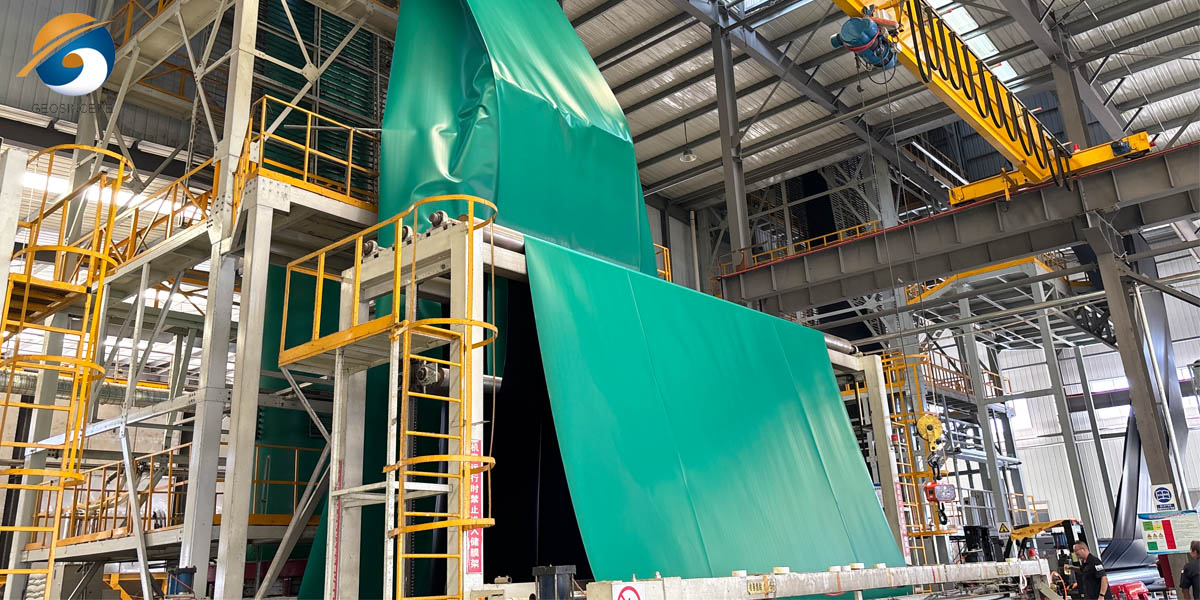
In the modern landscape of civil engineering, environmental protection, and infrastructure development, membrane HDPE (High-Density Polyethylene Geomembrane) has emerged as the gold-standard impermeable liner material. Unlike traditional waterproofing solutions such as compacted clay, PVC, or LDPE, HDPE geomembrane combines exceptional chemical resistance, ultra-low permeability, mechanical strength, and long-term durability, making it irreplaceable in critical containment projects worldwide. This comprehensive guide explores the technical properties, market data, application scenarios, installation best practices, and sustainable advantages of GEOSINCERE Geosynthetics membrane HDPE, providing engineers, contractors, and project decision-makers with data-backed insights to optimize material selection and project performance.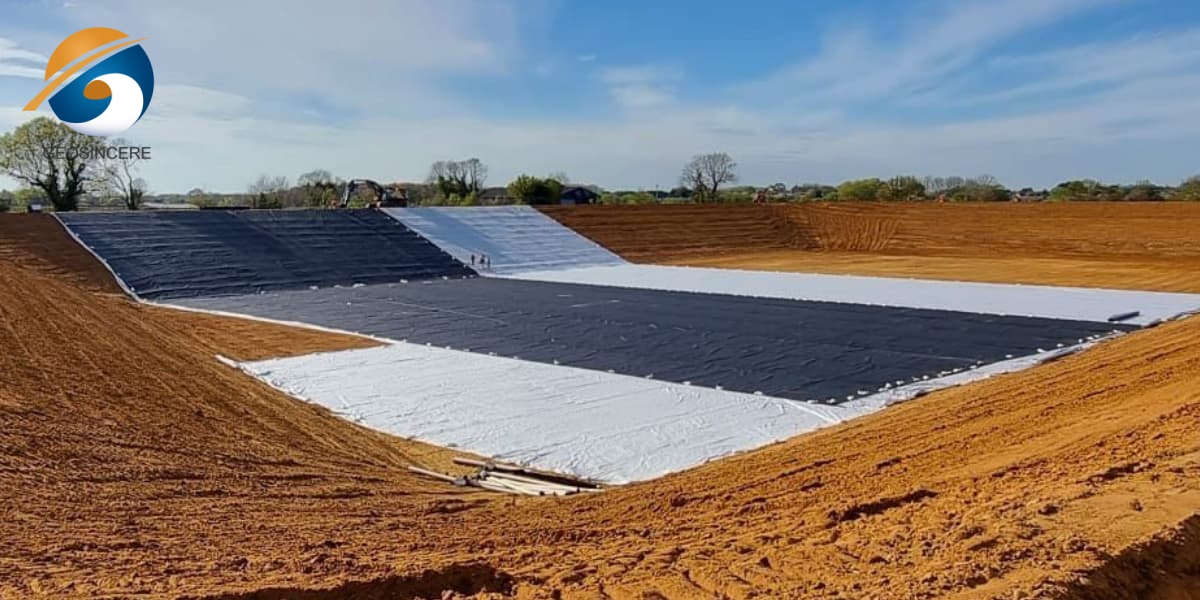
The global membrane HDPE market is experiencing steady and robust growth, driven by tightening environmental regulations, expanding infrastructure investment, and rising demand for reliable containment solutions. According to 2025–2026 industry research reports, the global HDPE geomembrane market reached USD 3.25 billion in 2025, with a projected compound annual growth rate (CAGR) of 5.85% through 2032, expected to climb to USD 4.84 billion by the end of the forecast period. Asia Pacific dominates the market, accounting for over 48% of global production capacity and 37.8% of total consumption, with China alone holding a USD 48.2 billion domestic market share, where membrane HDPE constitutes more than 62% of the total geomembrane segment.
Segmentation by application reveals the core driving forces: landfill and waste management accounts for 34.5% of global membrane HDPE demand, followed by water conservancy projects (22.1%), mining tailings treatment (19.3%), aquaculture (12.7%), and civil engineering waterproofing (11.4%). This data confirms that membrane HDPE is not just a construction material but a critical component of global environmental governance and resource conservation strategies. With governments worldwide strengthening standards for landfill leachate control, mining wastewater containment, and water resource protection, the demand for high-quality membrane HDPE will continue to rise in the next decade.
The superior performance of membrane HDPE stems from its unique semi-crystalline polymer structure and strict manufacturing standards, complying with international specifications such as GRI-GM13, ASTM D6693, and EPA standards. Below are the key technical indicators that define its engineering value:
≥0.940 g/cm³ (ASTM D1505), ensuring high structural density and impermeability.
≤1×10⁻¹¹ cm/s (ASTM D5887), achieving 99.9% fluid and gas containment, 10,000 times more impermeable than compacted clay liners.
Yield strength ranges from 11–44 kN/m (0.5mm–3.0mm thickness), break strength reaches 20–80 kN/m, with elongation at break exceeding 700%, adapting to ground settlement and deformation without cracking.
1.5mm membrane HDPE has a puncture resistance of 480 N (ASTM D4833) and tear resistance of 187 N (ASTM D1004); 2.0mm thickness boosts puncture resistance to 640 N, resisting sharp stones and heavy loads.
Oxidative Induction Time (OIT) ≥100 minutes (standard grade) / ≥400 minutes (high-performance grade); Environmental Stress Crack Resistance (ESCR) ≥500 hours; UV stability retains ≥50% performance after 1,600 hours of exposure, delivering a service life of 40–50 years in outdoor applications.
Stable in pH 2–12 environments, resistant to acids, alkalis, salts, oils, and organic solvents, making it ideal for hazardous waste containment and mining leachate treatment.
These parameters distinguish membrane HDPE from alternative liners: PVC liners have lower chemical resistance and risk plasticizer migration, while LLDPE offers less stiffness and puncture resistance. Membrane HDPE strikes the optimal balance of strength, flexibility, and durability for heavy-duty engineering.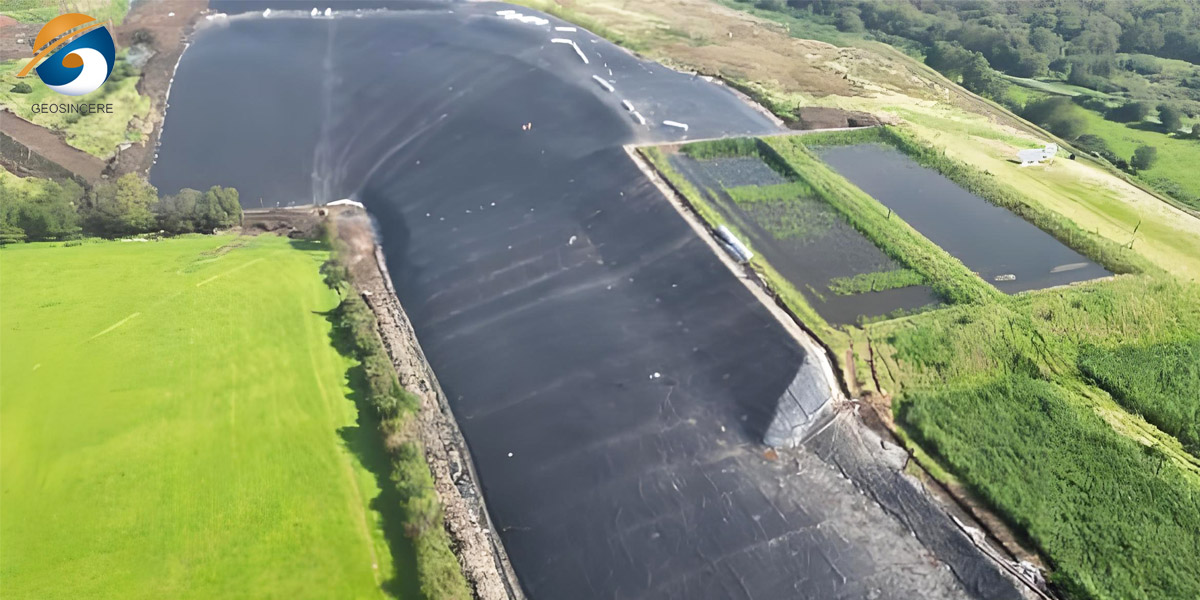
Membrane HDPE’s versatility makes it a universal solution across six major industries, with each sector leveraging its unique properties to solve core engineering challenges:
As the largest application segment, membrane HDPE serves as the primary liner and cap layer for municipal solid waste landfills and hazardous waste repositories. Its ultra-low permeability prevents leachate from contaminating groundwater, while chemical resistance withstands corrosive waste fluids. Globally, 34.5% of membrane HDPE is used in this field, complying with EPA and EU environmental protection standards.
Mining tailings ponds, heap leach pads, and acid mine drainage systems rely on membrane HDPE to contain toxic wastewater. The material resists cyanide, sulfuric acid, and heavy metal solutions, with textured surface options providing high friction angles (20–28°) for stable slope lining. This sector accounts for 19.3% of global demand.
Membrane HDPE reduces water seepage by 95%+ in reservoirs, irrigation canals, and drinking water tanks. A 1.5mm HDPE liner for a 1-hectare reservoir cuts annual water loss by over 10,000 cubic meters, addressing water scarcity challenges. This application holds 22.1% of the market share.
Food-safe, non-toxic membrane HDPE is widely used in fish/shrimp ponds, biogas digesters, and fertilizer storage tanks. It prevents water pollution, maintains water quality, and has a service life of 30+ years in submerged conditions, supporting sustainable aquaculture development.
Basement waterproofing, tunnel lining, bridge deck protection, and road embankment sealing use membrane HDPE to block groundwater intrusion. Its high tensile strength adapts to structural deformation, ensuring long-term building stability.
Chemical plants, oil depots, and power plants use membrane HDPE for spill containment berms, preventing accidental chemical leaks from polluting soil and groundwater. Its broad chemical resistance makes it the preferred choice for industrial safety compliance.
Even the highest-quality membrane HDPE requires professional installation to achieve design performance. Industry data shows that 70% of liner failures stem from improper installation, making standardized construction critical:
Remove sharp stones, roots, and debris; compact the surface to a smooth, stable base; add a geotextile protective layer to prevent punctures.
Use 7–10m wide rolls to reduce seam length by 30–40%; leave 1.5% slack for thermal expansion/contraction, avoiding tearing on slopes.
Adopt hot wedge welding (200–220°C, 2–3m/min) for dual-channel seams; extrusion welding for repairs and T-joints. Seam strength must reach ≥80% of the base material, with 98% leak detection accuracy via air-pressure testing.
Conduct 100% non-destructive testing (vacuum box, air pressure) and destructive sampling (1 test per 1500 linear feet of seams) to ensure seam integrity.
Smooth membrane HDPE reduces costs by 15–20% for flat areas; prefabricated large panels cut field seams by 60%, lowering installation labor and time.
Total installed costs for membrane HDPE range from $12–28/m², with material costs accounting for 50–70% of total expenses. Professional installation reduces long-term maintenance costs by 80%, delivering exceptional return on investment over its 40–50 year lifespan.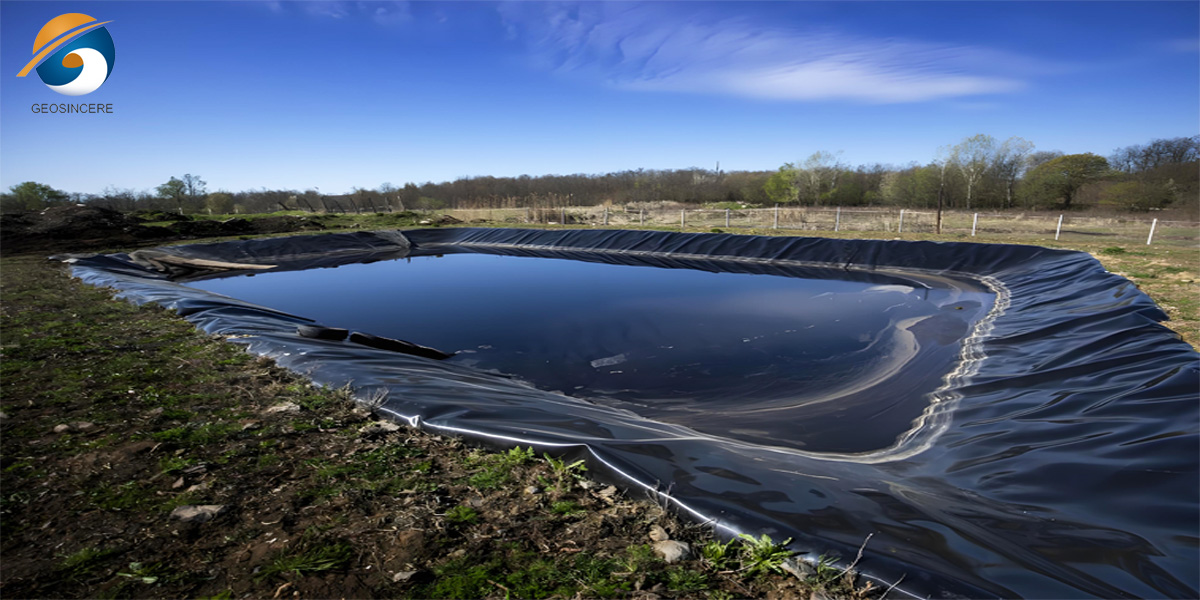
In an era of global carbon neutrality goals, membrane HDPE leads the geomembrane industry in sustainability:
100% recyclable at end-of-life; recycled HDPE production uses 75% less energy than virgin resin, reducing carbon emissions by 30%.
1kg of HDPE emits ~2.5kg CO₂e; a 1-hectare 1.5mm liner has a carbon footprint of 37.5 tonnes CO₂e, offset by water/energy savings within 5–10 years.
High-quality membrane HDPE uses 2.0–3.0% carbon black for UV stability, with no harmful additives; recycled-content grades (30–50% PCR) meet LEED certification, cutting project carbon footprints by 10–15%.
By preventing groundwater contamination and water loss, membrane HDPE directly supports ecosystem conservation, aligning with global sustainable development targets.
Shandong Geosino New Material Co., Ltd. (GEOSINCERE Geosynthetics) Membrane HDPE is more than a geomembrane material; it is a cornerstone of modern environmental protection, infrastructure resilience, and sustainable development. Backed by strong market growth (5.85% CAGR), industry-leading technical performance (permeability ≤1×10⁻¹¹ cm/s, 40–50 year lifespan), and versatile application across waste, mining, water, and agriculture sectors, it remains the first choice for critical containment projects worldwide.
For engineers and decision-makers, selecting high-quality membrane HDPE that meets GRI-GM13 and ASTM standards, paired with professional installation, ensures project safety, durability, and cost-effectiveness. As global demand for green, reliable engineering materials rises, membrane HDPE will continue to lead the geomembrane industry, driving innovation in containment technology and supporting a more sustainable future.