In today’s global construction, environmental protection, and infrastructure sectors, GEOSINCERE Geosynthetics wholesale geomembrane has become an essential procurement choice for contractors, engineering firms, distributors, and large-scale project owners. Geomembrane is high-density synthetic liner materials designed to provide reliable impermeable barriers, control fluid migration, prevent soil and water contamination, and extend the service life of critical facilities. Buying geomembrane liner at wholesale levels is not only a way to reduce material costs but also a strategic decision to ensure stable supply, consistent quality, and on-time project delivery. This article explains everything you need to know about wholesale geomembrane, including market trends, material types, key applications, pricing factors, quality standards, and best practices for bulk purchasing—all written in original language with real-world data and practical insights.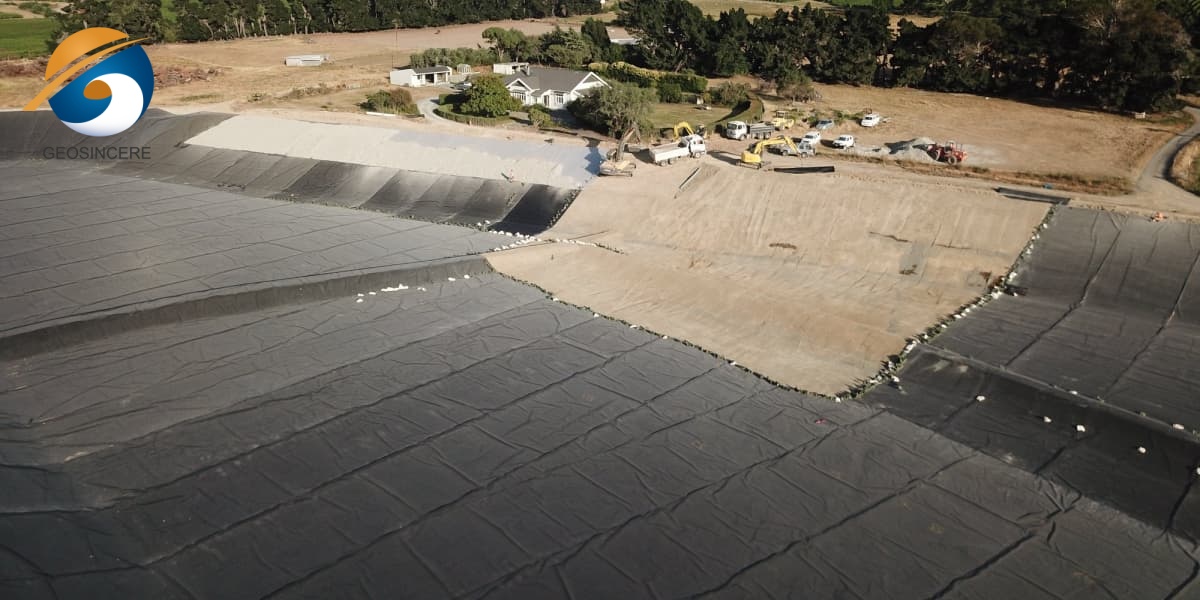
Wholesale geomembrane refers to large‑volume direct procurement of geomembrane sheets from manufacturers or authorized suppliers, usually with minimum order quantities (MOQ) starting from 1,000 square meters and going up to hundreds of thousands of square meters for mega projects. Unlike small‑quantity retail purchases, wholesale transactions offer significant advantages: lower unit price, customized specifications, stable production scheduling, full quality certification, and flexible logistics arrangements.
According to 2026 global industry reports, the worldwide geomembrane market is projected to reach USD 2.7 billion in 2026 and grow at a 5.8% CAGR through 2035. More than 65% of total geomembrane demand comes from bulk wholesale orders, driven by booming sectors such as landfill construction, mining tailings management, water conservancy, aquaculture, and industrial containment. For buyers, wholesale geomembrane can reduce material costs by 15%–30% compared to fragmented sourcing, while lowering delivery risks and improving overall project budget control.
The most commonly purchased wholesale geomembrane products are polymer‑based liners, each designed for specific working conditions. Below are the four most popular types with original descriptions of their performance:
HDPE geomembrane is the top seller in the wholesale market, accounting for over 55% of global geomembrane sales. It offers high tensile strength, outstanding chemical resistance, ultra‑low permeability, and long service life of 30–50 years. HDPE liners are available in smooth or textured surfaces, with thickness ranging from 0.5 mm to 3.0 mm. Textured HDPE provides higher friction coefficient, making it ideal for steep slopes in landfills and mining sites. This material performs stably in pH 2–12 environments, resisting acids, alkalis, salts, oil, and organic solvents.
LLDPE geomembrane is favored for its high flexibility and elongation performance, reaching up to 700% elongation at break. It adapts well to uneven ground, settlement, and seismic zones, reducing tearing risks during installation and operation. LLDPE is widely used in aquaculture ponds, irrigation canals, reservoirs, and temporary containment projects. Its soft texture also makes on‑site welding easier and faster.
PVC geomembrane is lightweight, flexible, and cost‑effective for medium‑demand applications. It has good waterproofing performance and is easy to handle and install. However, PVC has lower UV resistance and chemical tolerance compared to HDPE, so it is more suitable for covered or short‑to‑medium term projects such as temporary wastewater ponds, decorative water features, and light‑duty waterproofing.
EPDM is a rubber‑based geomembrane known for excellent weather resistance, UV stability, and low‑temperature flexibility. It can last more than 50 years in outdoor exposed conditions. EPDM is often used in roof gardens, fish ponds, drinking water tanks, and projects requiring high environmental durability.
Wholesale geomembrane supports nearly all large‑scale containment and waterproofing projects worldwide. Here are the most important application fields:
Landfills require high‑performance liners to prevent leachate from polluting groundwater. Wholesale HDPE geomembrane is the standard material here, with thickness usually 1.5 mm or 2.0 mm meeting GRI‑GM13 or ASTM standards. This sector takes up about 34% of total geomembrane consumption.
Mining tailings ponds, heap leach pads, and acid wastewater storage rely heavily on wholesale geomembrane to contain toxic liquids. HDPE geomembrane resists corrosion from cyanide, sulfuric acid, and heavy metal solutions, protecting ecosystems and complying with strict environmental regulations.
Wholesale geomembrane is widely used in reservoir lining, irrigation canals, dam seepage control, biogas digesters, and aquaculture ponds. It can reduce water loss by more than 95% and maintain clean water quality for fish and shrimp farming.
Chemical plants, oil depots, bridge decks, tunnel waterproofing, and basement containment all use bulk‑purchased geomembrane. It provides reliable secondary containment to avoid environmental pollution and structural damage.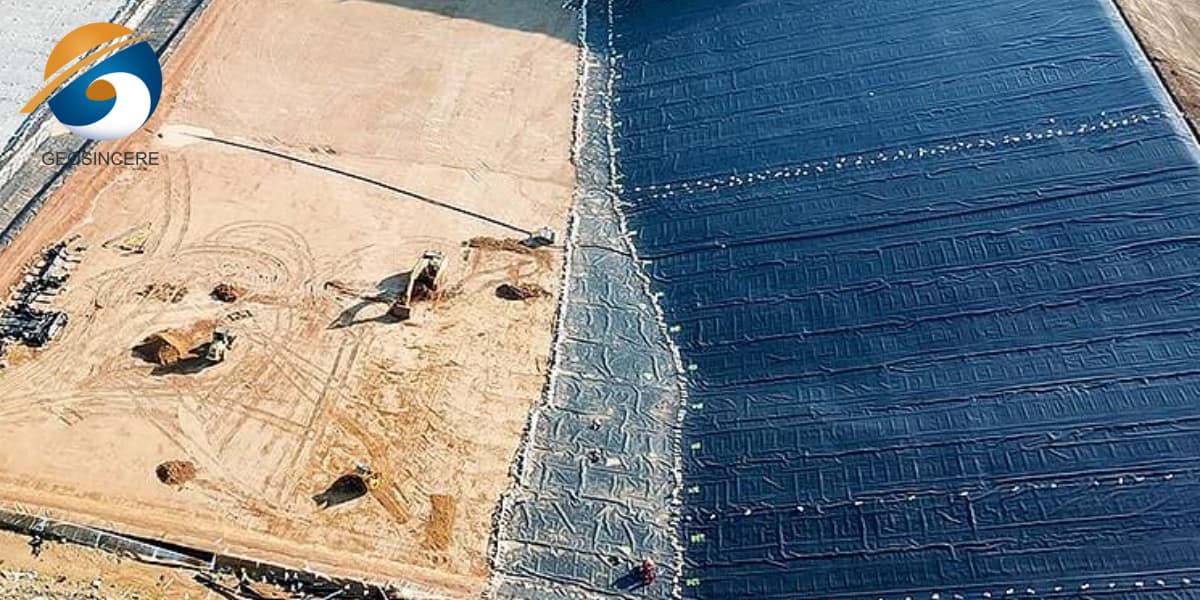
For bulk buyers, understanding pricing elements helps negotiate reasonable costs and avoid quality risks. The main factors include:
HDPE is the most cost‑effective for heavy‑duty projects. Thickness ranges from 0.5 mm to 3.0 mm; every 0.5 mm increase usually raises cost by 10%–20%.
Wholesale discounts grow with quantity. Orders over 10,000 square meters typically receive 15%–30% off unit price. Large projects above 50,000 square meters can get extra factory support.
Virgin resin geomembrane has better durability and stability, slightly more expensive than recycled‑blended materials. Reputable factories provide clear material reports and test certificates.
Textured geomembrane costs 10%–15% more than smooth. Certified products (GRI‑GM13, ASTM D6693, ISO) ensure compliance but may add a small premium, which is worthwhile for engineering projects.
Shipping distance, sea freight fluctuations, and destination port affect final cost. Factory‑direct wholesale usually optimizes packaging and loading to reduce logistics expenses.
Choosing the right supplier is more important than just chasing low prices. Here are original tips for bulk buyers:
Trading companies add margins; direct manufacturers offer better price, quality control, and production capacity.
Ask for tensile strength, elongation, permeability, oxidation induction time (OIT), and UV resistance reports. Trusted factories provide third‑party test results.
Ensure products meet international standards such as GRI‑GM13, ASTM D5887, and local engineering requirements.
Large wholesale orders need stable production lines. Confirm lead time to avoid project delays.
Reliable suppliers offer installation guidance, welding training, leak detection suggestions, and after‑sales warranty.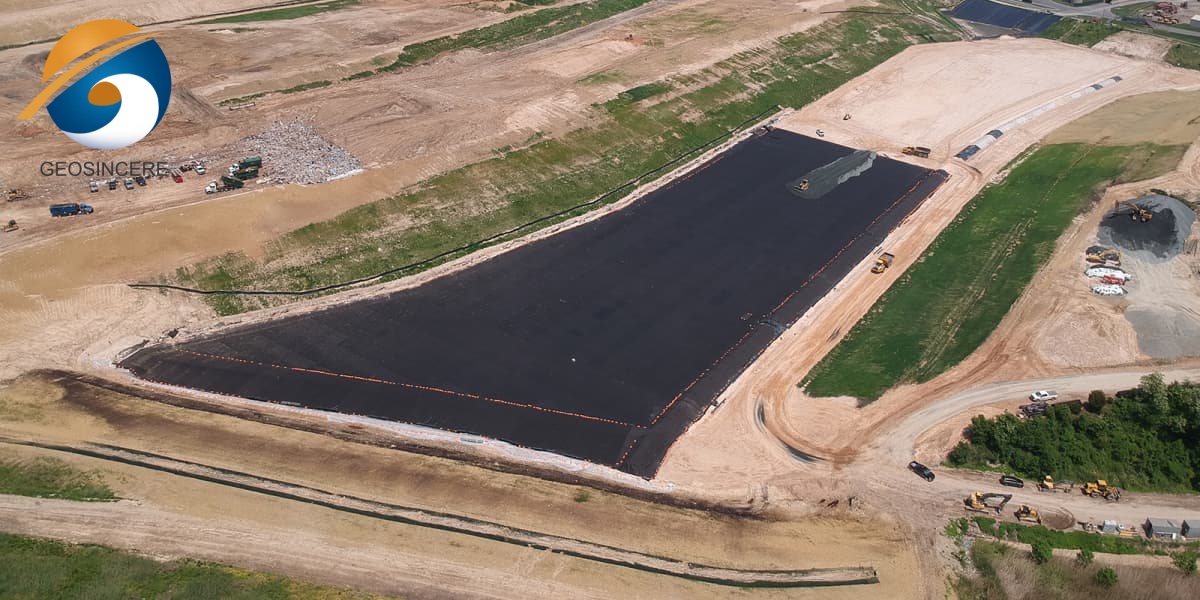
Environmental protection and circular economy are reshaping the geomembrane industry. Modern wholesale geomembrane focuses on green production:
Recycled HDPE geomembrane with stable performance reduces carbon emissions by about 25%.
Energy‑efficient extrusion lines lower manufacturing energy consumption.
Longer service life reduces replacement frequency and waste.
Eco‑friendly additives improve UV resistance without harmful chemicals.
Many international projects now require recycled‑content or low‑carbon geomembrane, making sustainable wholesale options increasingly popular.
Shandong Geosino New Material Co., Ltd. (GEOSINCERE Geosynthetics) wholesale geomembrane is the backbone of modern containment engineering, offering cost efficiency, quality stability, and supply reliability for large‑scale projects worldwide. Whether you are purchasing for landfills, mining, aquaculture, water conservation, or industrial applications, choosing factory‑direct, certified, and application‑matched geomembrane will bring long‑term value and lower lifecycle costs.
By understanding material types, pricing factors, quality standards, and supplier selection rules, bulk buyers can make confident procurement decisions that balance cost, performance, and compliance. As global infrastructure and environmental protection demand continues to rise, wholesale geomembrane will remain an irreplaceable solution for safe, durable, and sustainable engineering projects. For global bulk purchasers, wholesale geomembrane delivers unmatched cost advantages, stable mass supply and customizable specifications to fit landfill, mining, aquaculture and water conservancy works. Prioritizing factory direct certified HDPE/LDPE liners avoids substandard materials, while recycled low-carbon geomembrane options align with worldwide green construction standards, cutting long-term project maintenance expenses effectively.
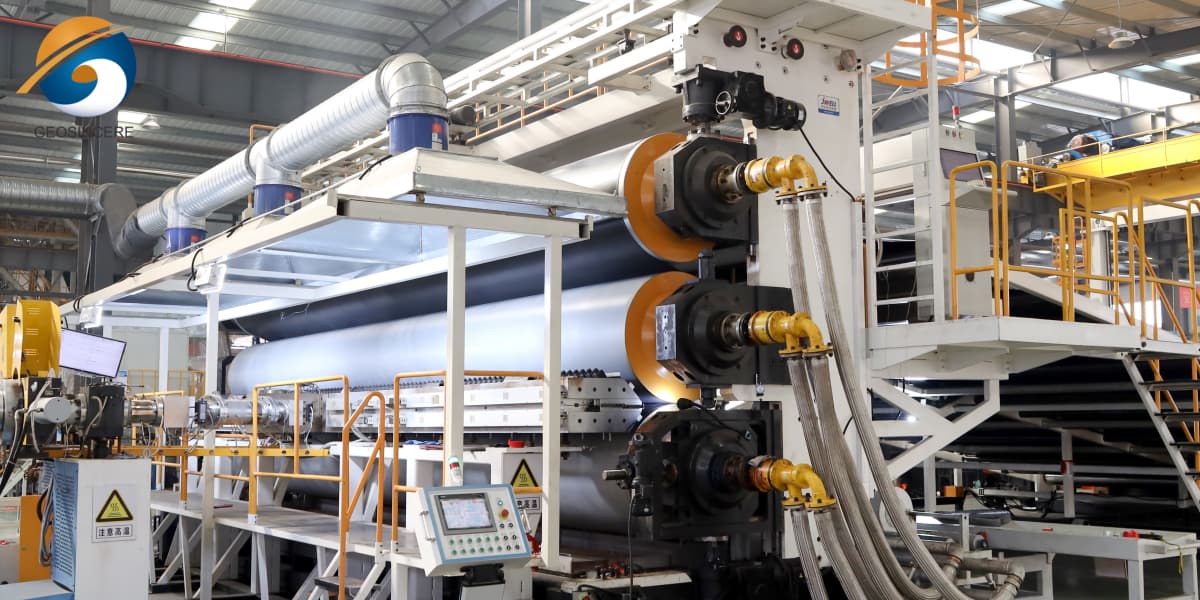
For global bulk purchasers searching for reliable wholesale geomembrane suppliers, we highly recommend Shandong Geosino New Material Co., Ltd. (GEOSINCERE Geosynthetics) a professional geomembrane manufacturer and direct wholesaler based in Taian, Shandong Province, China. Equipped with full-automatic production lines and a 36,600-square-meter modern factory, the firm supplies HDPE, LLDPE, textured and composite geomembranes that fully comply with GRI-GM13 and ASTM international standards. Unlike middleman traders, it offers factory-direct wholesale prices, flexible customized sizes, free test samples, complete third-party quality inspection reports, and full technical support including installation guidance for landfill, mining, aquaculture and water conservancy projects. Up to now, its premium geomembrane products have been exported to 96 countries and regions covering Asia, Europe, Africa, North America, South America and Oceania. With stable mass production capacity, on-time bulk delivery and long-term after-sales service, Shandong Geosino New Material Co.,Ltd stands out as your most trustworthy wholesale geomembrane manufacturing partner for all large-scale engineering projects.