In the modern era of industrial development and environmental conservation, the role of GEOSINCERE Geosynthetics geomembrane liner has become indispensable. These synthetic membrane liners are the unsung heroes of containment systems, used extensively in landfills, mining operations, water reservoirs, aquaculture, and civil engineering projects. At the heart of this critical industry are the geomembrane liner manufacturers, the entities responsible for engineering, producing, and supplying these high-performance barriers. Selecting the right manufacturer is not merely a procurement decision; it is a strategic choice that impacts project longevity, environmental compliance, and operational cost-efficiency.
This comprehensive article delves deep into the world of geomembrane liner manufacturers, exploring the types of materials produced, manufacturing processes, quality assurance protocols, global market dynamics, and the criteria that distinguish a superior manufacturer from a mediocre one. By the end of this piece, project engineers, procurement specialists, and environmental consultants will have a robust framework for evaluating and partnering with the right geomembrane liner supplier.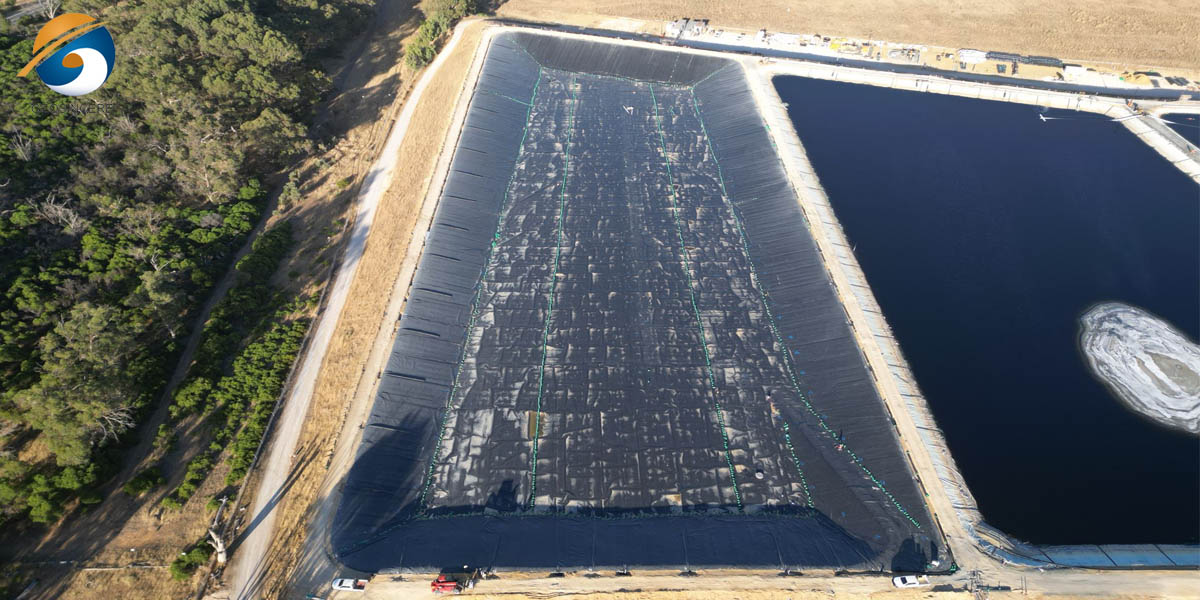
To understand the manufacturing landscape, one must first understand the raw materials. Geomembrane liner manufacturers specialize in various polymers, each offering distinct chemical, physical, and thermal properties. The choice of material dictates the liner's suitability for specific applications.
HDPE is the gold standard in the industry. Renowned for its exceptional chemical resistance, high tensile strength, and low permeability, HDPE geomembranes are the preferred choice for hazardous waste containment, mining leach pads, and landfill caps. Leading manufacturers invest heavily in HDPE resin technology, often utilizing proprietary blends of virgin resins, carbon black, and antioxidants to ensure UV stability and long-term durability. The stiffness of HDPE makes it ideal for steep slope applications, though it requires careful seaming and installation.
LLDPE offers greater flexibility and elongation compared to HDPE. This makes LLDPE geomembranes suitable for applications where differential settlement or subgrade movement is expected, such as in tunnel linings and floating covers. Manufacturers produce LLDPE with superior puncture resistance, making it a favorite for projects with sharp subgrade materials. However, LLDPE generally has lower chemical resistance than HDPE, which limits its use in aggressive chemical environments.
PVC geomembranes are thermoplastic, meaning they can be heat-sealed and are highly pliable. They are often used in decorative ponds, canal linings, and roofing applications. While PVC is cost-effective and easy to install, it is susceptible to plasticizer loss over time, which can lead to embrittlement. High-quality manufacturers mitigate this through advanced stabilization packages.
PP offers excellent resistance to high temperatures and UV radiation. It is often used in exposed applications like floating covers and dam facings. Additionally, reinforced geomembranes (scrim-reinforced) combine polymers with a fabric mesh to provide extreme tensile strength, used in heavy-duty applications like secondary containment for oil and gas facilities.
The transformation of raw polymer resin into a finished geomembrane roll is a highly technical process. Geomembrane liner manufacturers utilize two primary production methods: Blown Film Extrusion and Flat Die Extrusion (Calendering) . Each method imparts different characteristics to the final product.
This process involves melting the polymer resin and forcing it through a circular die. Air is blown into the center of the bubble, expanding the film to the desired thickness and width. The bubble is then collapsed and wound onto rolls.
Produces a more balanced sheet with uniform thickness. The molecular orientation provides excellent tear resistance and stress crack resistance. This is the preferred method for high-quality HDPE and LLDPE geomembranes.
Manufacturers monitor the blow-up ratio (BUR) meticulously to ensure consistent physical properties.
In this process, molten polymer is extruded through a flat, linear die and passed through a series of heated rollers (calenders) that press the sheet to the specified gauge.
Higher production speeds and the ability to produce wider sheets. It is often used for PVC and PP materials.
The orientation of the polymer molecules can lead to anisotropic properties (different strength in machine direction vs. cross direction), which reputable manufacturers account for in their design specifications.
A significant differentiator among manufacturers is their ability to formulate the correct additive package. Masterbatch compounds containing carbon black (for UV protection), antioxidants (for thermal stability), and processing aids are precisely dosed into the resin. Premium manufacturers operate in-house compounding facilities to ensure complete control over the dispersion of these additives, preventing delamination or "blooming" of the carbon black over time.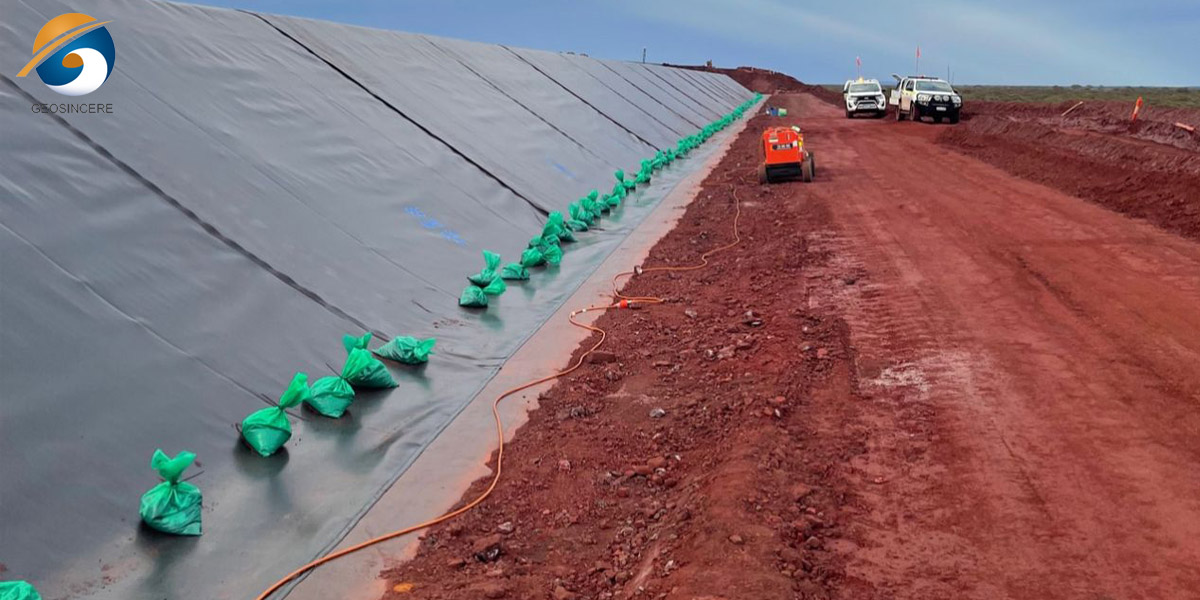
The integrity of a containment system relies solely on the quality of the geomembrane. Consequently, top-tier geomembrane liner manufacturers adhere to rigorous quality assurance (QA) and quality control (QC) protocols.
Manufacturers typically produce liners that meet or exceed standards set by:
- ASTM International: Standards such as ASTM D5994 (for thickness), D4833 (for puncture resistance), and D5397 (for stress crack resistance).
- GRI-GM (Geosynthetic Institute): GRI-GM13 for HDPE and GRI-GM17 for LLDPE are the definitive specifications in the industry.
- ISO 9001: Certification ensures consistent manufacturing processes.
A hallmark of a serious manufacturer is an on-site, ISO-certified testing laboratory. They conduct routine tests such as:
- Density and Thickness Gauging: Using nuclear or non-nuclear gauges to ensure uniform gauge.
- Tensile Properties: Measuring yield strength, break strength, and elongation.
- Puncture and Tear Resistance: Simulating field stress to ensure durability.
- Oxidative Induction Time (OIT): Measuring the remaining antioxidant content to predict lifespan.
Every roll shipped should come with a Certificate of Analysis (COA) confirming that the specific roll meets all project specifications. Reputable manufacturers provide digital traceability, allowing engineers to trace the resin lot, production date, and testing results for each individual roll.
The market for geomembrane liners is global and highly competitive. Manufacturers are distributed across North America, Europe, Asia, and the Middle East, each region bringing distinct advantages.
North America hosts some of the oldest and most technologically advanced manufacturers. These companies often focus on high-specification projects requiring strict environmental permits. They lead in innovation regarding stress crack resistance and longevity modeling. Their distribution networks are extensive, often offering installation support and training.
European manufacturers are renowned for their strict adherence to environmental regulations (such as the EU Landfill Directive). They often lead in the development of sustainable and recycled-content geomembranes, as well as advanced polymer blends (e.g., VLDPE) that offer superior flexibility in cold climates.
Countries like China and India have seen a massive surge in geomembrane production to meet domestic infrastructure needs. These manufacturers are highly cost-competitive. However, there is a distinct dichotomy in the region: some producers offer low-cost, lower-spec liners for agricultural use, while a growing number of Tier-1 manufacturers are achieving GRI certifications and competing globally on quality, not just price.
These regions focus heavily on harsh environmental conditions—extreme heat and UV exposure. Manufacturers here specialize in UV-stable formulations and thick-gauge liners suitable for mining and brine evaporation ponds.
One of the most overlooked aspects of manufacturing is post-sale support. A geomembrane is only as strong as its seam. Leading geomembrane liner manufacturers do not simply ship rolls; they offer comprehensive technical support regarding seaming.
The most common and reliable method for HDPE and LLDPE, using specialized welding machines that melt the surfaces and fuse them under pressure.
Used for detail work, patches, and areas where the welding machine cannot reach.
Primarily used for PVC materials.
Top manufacturers often maintain a list of certified installation contractors. They invest in training programs to ensure that installers understand the specific nuances of the material—from adjusting welding temperatures based on ambient weather to managing thermal expansion. If a manufacturer offers a "system guarantee" (material + installation), it is a strong indicator of confidence in their product and support network.
The industry is not static. To address evolving environmental challenges and economic pressures, geomembrane liner manufacturers are pushing the boundaries of material science.
Traditional HDPE is susceptible to slow crack growth. Newer HSCR resins offer significantly higher resistance, extending the lifespan of liners in critical applications like mining tailings and hazardous waste sites to 100+ years.
These liners incorporate a conductive carbon black layer, allowing for electrical leak detection. After installation, a technician can pass a voltage across the liner to locate any pinhole leaks—a revolutionary advancement for liner integrity verification.
With the global push for circular economies, some manufacturers are developing geomembranes with post-industrial recycled (PIR) content, provided they do not compromise physical properties. Others are focusing on "recyclable" geomembranes that can be repurposed at the end of their service life rather than ending up in a landfill.
For applications involving hot fluids (e.g., solar ponds or hot brine), new polymer grades are being developed that maintain dimensional stability at temperatures exceeding 80°C.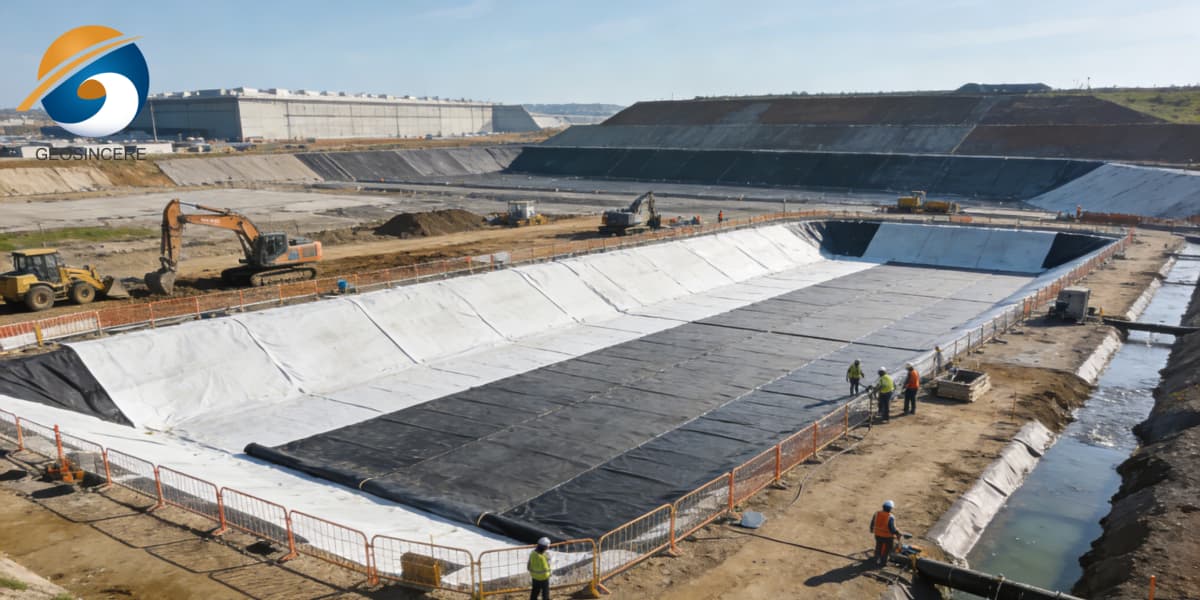
With hundreds of suppliers globally, selecting the correct geomembrane liner manufacturer is challenging. Here is a practical checklist for decision-makers:
Application: Mining requires high puncture resistance; potable water requires FDA-approved resins; landfills require high OIT.
Location: If the project is in a remote area, does the manufacturer have local distribution or logistical capability?
Do not accept generic claims. Ask for copies of GRI-GM certifications specific to the gauge and material you are purchasing. Verify ISO certifications directly through the audit body.
A professional manufacturer will provide small sheet samples for testing. Independent labs should verify density, thickness, and tensile strength before production begins.
Engage with their engineers. Do they ask about subgrade conditions? Do they discuss chemical compatibility? A salesperson who only focuses on price is a red flag. A technical representative who asks detailed questions is a green flag.
In the post-pandemic supply chain environment, reliability of delivery is paramount. Ask about raw material inventory levels and manufacturing lead times. Can they expedite if necessary?
Review the manufacturer’s warranty. Standard warranties often cover manufacturing defects for 5 to 10 years. However, some premium manufacturers offer extended warranties (20+ years) based on chemical compatibility testing and soil interaction data.
Even the best material can fail if misapplied. Good manufacturers act as risk mitigators.
Pitfall 1: Inadequate Subgrade Preparation. A manufacturer cannot prevent punctures from sharp rocks, but they can recommend thicker gauges or nonwoven geotextile protection layers.
Pitfall 2: Wind Uplift. During installation, wind can catch large sheets. Manufacturers provide guidelines on anchoring or deploying sandbags to prevent this.
Pitfall 3: Chemical Attack. If the leachate in a landfill is unusually acidic, a standard HDPE liner may degrade. Reputable manufacturers conduct chemical immersion testing in their labs to confirm the liner's resistance to the specific fluid chemistry.
There is an old adage in the geosynthetics industry: "The bitterness of poor quality remains long after the sweetness of low price is forgotten." While it is tempting to opt for the lowest bidder, the total cost of ownership (TCO) must be considered.
Asian manufacturers often provide the lowest per-square-foot pricing.
Higher-quality liners are easier to weld because of consistent gauge. A thin spot in a cheap liner can cause welding machine misfires, leading to downtime.
If a liner fails, the remediation cost (excavating waste, replacing the liner, and re-installing) can be 10x to 20x the original material cost.
A premium HSCR liner may cost 15% more but last 40% longer, offering a better return on investment (ROI) over a 30-year facility lifecycle.
The trajectory for geomembrane liner manufacturers is firmly upward. As global water scarcity intensifies, the demand for reservoir and canal liners will surge. The mining industry is moving towards "dry stacking" of tailings, which requires robust liners for filtered tailings disposal. Furthermore, the renewable energy sector, specifically solar floating farms, relies heavily on geomembranes.
The future will also see increased digitalization. We can expect to see "Smart Liners" embedded with sensors to detect strain, temperature, and leaks in real-time. Manufacturers are investing in AI-driven quality control systems that use camera vision to detect microscopic pinholes during extrusion.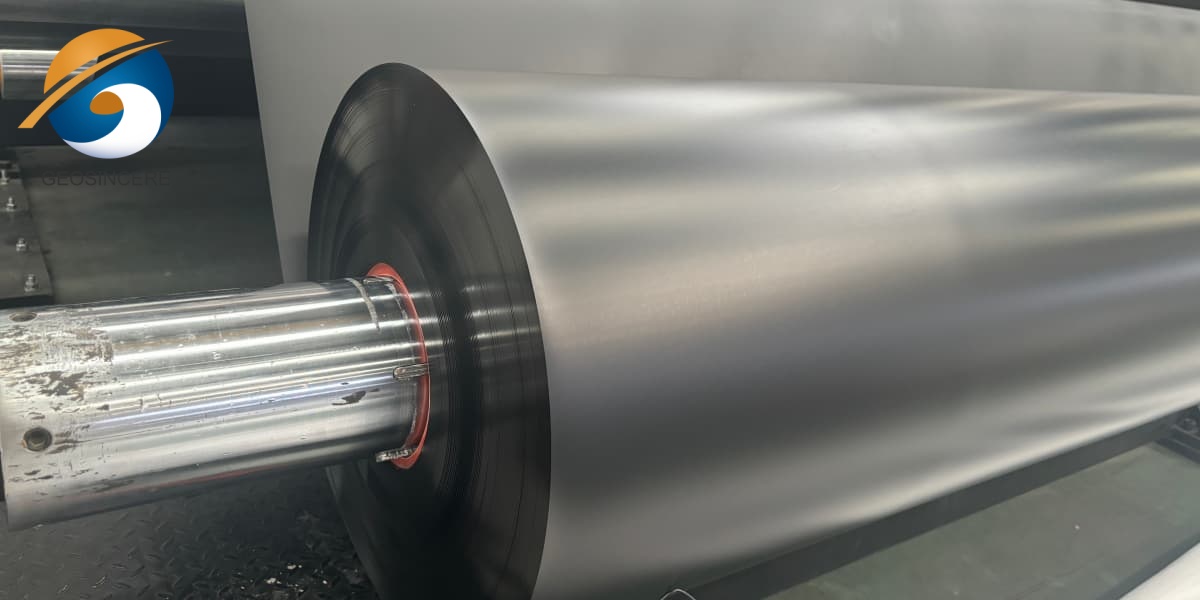
The role of the geomembrane liner manufacturer extends far beyond that of a simple supplier. They are partners in environmental stewardship, custodians of safety, and critical contributors to the longevity of modern infrastructure. Whether it is a massive copper mine in the Andes, a municipal landfill in Europe, or a water reservoir in drought-stricken California, the success of the project hinges on the integrity of the liner.
By understanding the materials, manufacturing processes, quality benchmarks, and strategic selection criteria outlined in this article, professionals can navigate the complex marketplace of geomembrane liner manufacturers with confidence. In an industry where failure is not an option, investing time in choosing the right manufacturer is the most prudent investment a project manager can make. When the containment works flawlessly for decades, the return on that investment is immeasurable—both in financial terms and in the protection of our precious environment.
Shandong Geosino New Material Co., Ltd. (GEOSINCERE Geosynthetics) has been keeping on investing in technological innovation, manufacturing facilities improvement and turnkey engineering abilities. We have invested 10 million dollars into our manufacturing factory which is equipped with state-of-the-art automatic production lines to manufacture high quality HDPE geomembranes and other geosynthetics with optimized processes. Our extensive lines of geosynthetics products are well known for their ensured quality, high performance, excellent durability and best cost effectiveness.
GEOSINCERE Geosynthetics brand HDPE geomembranes and other geosynthetics products and solutions can meet your requirements by our solid technologies, innovative engineering solutions and excellent customer services. GEOSINCERE Geosynthetics always tries our best to solve the most complex civil, mining and environmental challenges with our innovative and high performance geosynthetic products. Quality assurance, factory price and fast delivery time are our competitive advantages.
