Discover everything you need to know about geomembrana 40 mils in this ultimate guide. Learn how this durable, high-performance geomembrane provides reliable waterproofing, chemical resistance, and long-term protection for mining, landfills, agriculture, and industrial containment. Whether you are selecting materials for a new project or upgrading an existing system, this guide helps you understand key benefits, applications, and installation tips to make the right choice with confidence.
The geomembrana HDPE 40 mils is a pivotal material in today's engineering because of its excellent performance, durability over time, and outstanding resistance to chemicals. As industries around the world are more and more interested in environmental protection, well-contained waste, and trusted waterproofing systems, the market for the geomembrane 40 mils has been expanding at a good pace.
To begin with, the document sets at completely beside you the features, specifications, advantages, application, installation methods, and selection tips of the GEOSINCERE Geosynthetics geomembrane which would unveil why buyers, contractors, and engineers through this liner is commonly trusted in global projects.
1. Introduction to Geomembrana 40 Mils
1.1 What is Geomembrana 40 Mils?
A geomembrane 40 mils (HDPE) liner is a flexible and impermeable synthetic membrane produced from high-density polyethylene. Their thickness of 1.0 mm (40 mils) is compatible with compounds targeted to balance strength, flexibility, and cost efficiency. HDPE liners are already present in the environment-related protection projects, infrastructure development, mining, storing water, and aquaculture.
In comparison, to waterproofing materials, such as concrete coatings or clay layers, HDPE geomembrane offers much lower permeability rates, stronger chemical resistance, and longer life duration. Plus, as it is lightweight and easily deployed, it additionally contributes to the overall decrease of labor and time in the construction of the project. For that reason, the 40-mil HDPE liners are among the most adaptable geosynthetics worldwide.
Moreover, its transformation to different climatic and soil conditions attributes allows it to be the first-line choice for projects in cold regions, tropical zones, or deserts. Also, unlike non-flexible materials that rupture upon ground displacements or temperature fluctuations, 40-mil HDPE liner is capable of sustaining moderate settlement and deformation and providing stable protection for the lifespan of the project.
1.2 Advantages of Geomembrana 40 Mils
HDPE geomembranes have been designed to work even when environmental and mechanical conditions are harshest. Their main advantages are:
- The excellent chemical resistance: HDPE withstands exposures of a wide variety of acids, alkalis, solvents, and industrial contaminants without being affected or leaking, which yields it perfect for landfills, industrial wastewater ponds, and chemical storage containment facilities.
- Great UV and aging resistances: The inclusion of carbon black particles shields the liner from sunlight exposure during the course of the years, thus preventing cracking or devaluation of the material – even in the hottest and driest climates.
- Strong mechanical performance: Due to its high tensile strength and puncture resistance, the liner remains intact during the soil pressure, rock penetration, and heavy weighing of the overlying soil or equipment.
- Resistant to aging and, as a result, long service is achievable: When fitted rightly, the 40-mil HDPE liner is capable of going through periods of 50 years and beyond, subject to how the external factors are. A long life cycle such as this one means it reduces the frequency of replacement and the risks to the environment.
- Very low permeability is a huge advantage also. The nature of the material with its extremely low seepage feature is very effective in the containment of water, leachate, chemicals, or industrial liquids.
Because of these precious characteristics, HDPE geomembranes have become highly preferred not only in environmental engineering but also in worldwide infrastructure projects.Antioxidants and stabilizers prevent cracking, brittleness, and thermal degradation, especially in regions with high temperature variations.
2. Geomembrana 40 Mils Material Composition and Technical Specifications
2.1 Geomembrana 40 Mils Composition
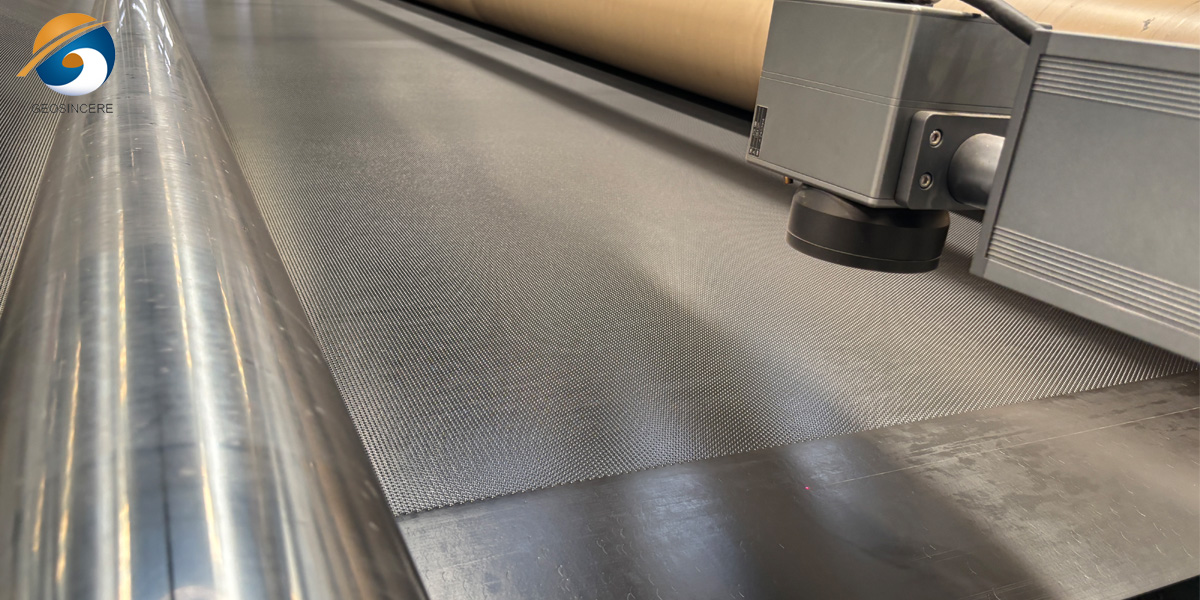
The geomembrane 40 mils (HDPE) liner is made from a combination of virgin HDPE resin, carbon black, antioxidants, and anti-aging agents. Virgin polyethylene ensures a high degree of purity, allowing the material to maintain consistent performance, excellent weldability, and long-term reliability. The carbon black (around 2–3%) is a crucial element as it absorbs UV light and protects the liner from radiation damage. Antioxidants and stabilizers prevent cracking, brittleness, and thermal degradation, especially in regions with high temperature variations.
2.2 Key Technical Specifications of Geomembrana 40 Mils
A standard 40 mil HDPE geomembrane typically meets or exceeds internationally recognized specifications such as ASTM or GRI-GM13. Key performance indicators may include:
- Thickness: 1.0 mm (40 mils), ensuring adequate durability for general applications.
- Tensile Strength: ≥30 MPa, providing strong resistance against stretching or deformation under load.
- Elongation at Break: ≥700%, demonstrating excellent flexibility and crack resistance.
- Puncture Resistance: ≥320 N or higher, preventing damage from sharp objects in subgrade surfaces.
- Permeability: <1×10⁻¹³ cm/s, ensuring near-zero seepage.
- Temperature Resistance: -50°C to +60°C, suitable for harsh winter and desert conditions.
These specifications allow the 40 mil HDPE liner to maintain its structural integrity even under extreme environmental stress.
3. Applications of Geomembrana 40 Mils
3.1 Landfills
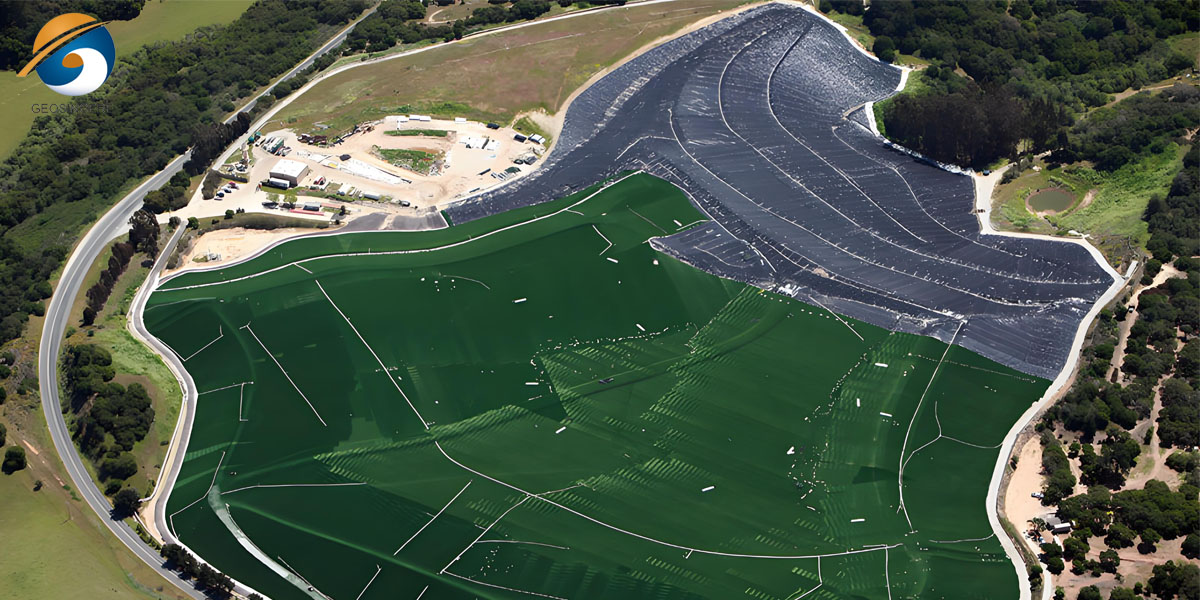
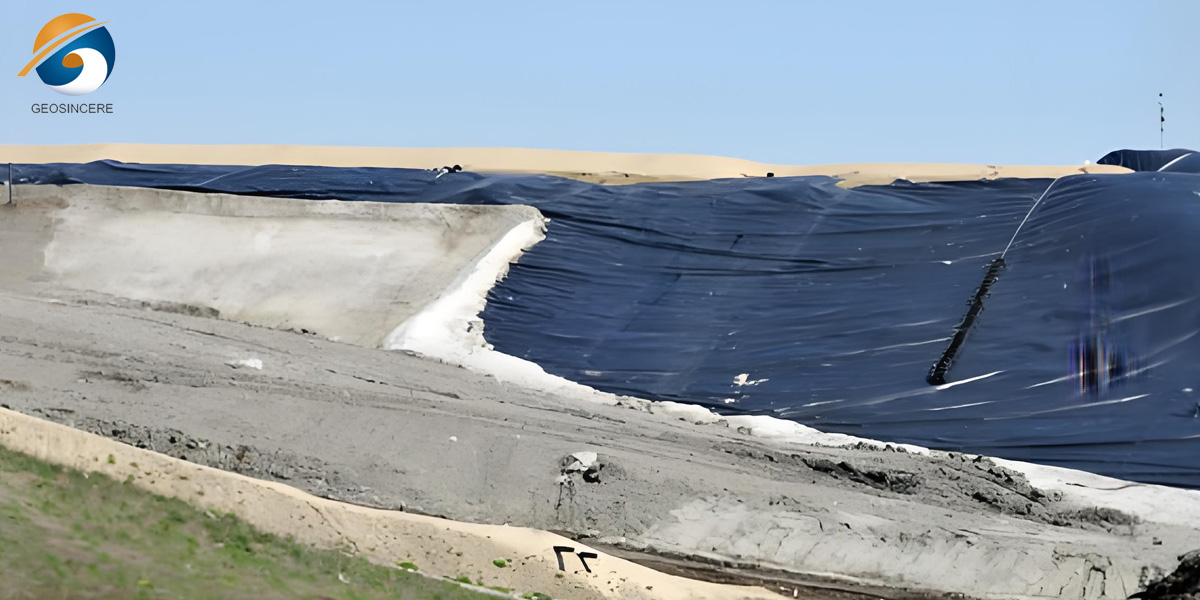
HDPE liners are standard in municipal, industrial, and hazardous waste landfills. A 40-mil liner is commonly used as part of a double-liner system or secondary containment layer. The liner prevents leachate, a toxic liquid generated from decomposing waste, from penetrating the soil and contaminating groundwater sources. Regulations in many countries require engineers to use HDPE geomembranes due to their proven impermeability and chemical resistance.
3.2 Reservoirs and Artificial Lakes
Reservoirs, irrigation ponds, and artificial lakes rely on HDPE geomembranes to maintain stable water levels. The 40-mil thickness offers an optimal balance between strength and flexibility for these applications. Compared with traditional clay lining, HDPE liners significantly minimize water seepage and prevent erosion. They are also ideal for agricultural areas where efficient water storage directly improves irrigation performance.
3.3 Industrial Wastewater and Chemical Ponds
Industries such as petroleum, chemical processing, electroplating, mining, and metallurgy frequently store or treat corrosive liquids. HDPE liners provide a secure barrier to prevent chemical penetration into the soil. The 40-mil liner is suitable for evaporation ponds, reaction tanks, clarification ponds, and chemical storage pits. Its outstanding chemical resistance ensures stability even when exposed to acidic or alkaline waste solutions.
3.4 Agricultural and Aquaculture Ponds
In aquaculture, lining ponds with HDPE membranes promotes healthier water environments. HDPE liners reduce the risk of contamination, maintain consistent water quality, and prevent soil erosion. They are widely used in fish ponds, shrimp farms, and irrigation canals. Farmers also benefit from reduced water leakage and lower operating costs, which contribute to higher production efficiency.
3.5 Civil Engineering and Infrastructure
HDPE geomembranes serve as an effective waterproofing and separation layer in road construction, tunnel waterproofing, retaining walls, bridge foundations, and railways. The liner prevents water infiltration that can weaken structural foundations. It also functions as a barrier between different soil layers, improving road stability and reducing settlement issues.
4. Installation Guidelines for Geomembrana 40 Mils
4.1 Subgrade Preparation
Proper subgrade preparation is essential for the liner’s long-term performance. Contractors must remove sharp stones, roots, and debris to prevent punctures. The ground should be compacted to 90–95% Proctor density, creating a smooth, stable base for the liner. If the soil contains large stones, a protective geotextile layer is recommended.
4.2 Membrane Placement
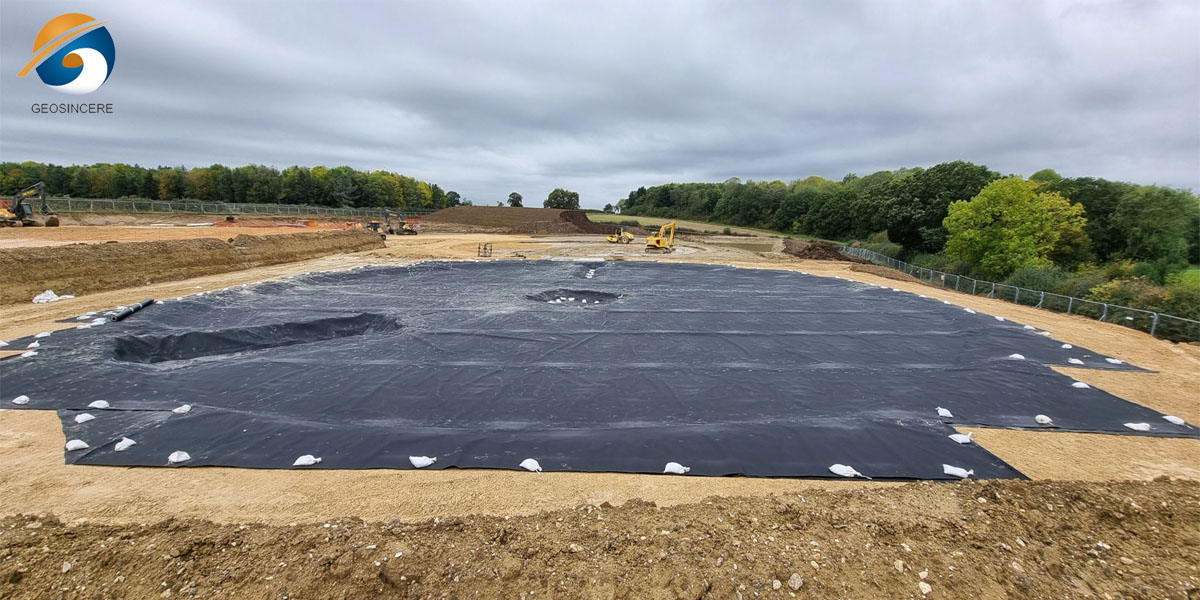
During placement, the geomembrane should be unrolled carefully to avoid overstretching or damage. Installers typically position the sheets downhill to reduce tension and allow natural alignment. Weighted sandbags or small anchors help prevent the liner from shifting under wind before seaming.
4.3 Welding and Seaming
Welding is the most crucial step in ensuring the membrane remains waterproof. There are three main welding methods:
- Hot wedge welding (for long seams)
- Hot air welding (for tight or curved spaces)
- Extrusion welding (for repairs and detailing)
Seam integrity must be tested using vacuum boxes, air pressure tests, or spark testing. These inspections ensure that all welded areas achieve complete impermeability before backfilling.
4.4 Protective Measures
To extend service life, the HDPE liner should be covered with a protective geotextile or soil layer. This prevents UV exposure, mechanical damage, and punctures from sharp soil objects. In some engineering projects, ballast sand or concrete blocks are added to prevent wind uplift.
5. Selecting the Right Geomembrana 40 Mils
5.1 Choose Virgin HDPE Resin
Virgin HDPE resin ensures better mechanical strength, aging resistance, and weldability than recycled materials. For high-risk projects such as landfills and chemical ponds, virgin material is strongly recommended.
5.2 Ensure Uniform Thickness
Uniform thickness ensures consistent durability across the entire liner surface. Variations in thickness may result in weak points, increasing the risk of puncture or leakage.
5.3 Compliance with International Standards
Always verify that the product meets standards such as ASTM, ISO, or GRI-GM13. Compliance ensures higher quality and reliability, reducing potential project risks.
5.4 Select a Reliable Supplier
Choose suppliers with:
- Advanced production lines
- Strict quality control processes
- Reliable testing equipment
- Rich export experience
- Professional installation guidance
A professional supplier ensures consistent product quality and timely delivery—critical factors in international trade.
6. Why Geomembrana 40 Mils Thickness is the Preferred Choice?
A geomembrana 40 mils provides an excellent balance of performance and cost. Thinner membranes may lack puncture resistance, while thicker membranes like 60 or 80 mils may increase cost and installation difficulty. For most ponds, landfills, reservoirs, and industrial projects, the 40 mil HDPE liner delivers sufficient strength, flexibility, chemical resistance, and durability—making it the most cost-effective solution.It is also easier to transport, handle, and install on-site compared to thicker liners, which require more labor and equipment. For medium-duty applications that demand reliable performance without excessive budget pressure, 40 mils remains the most widely adopted and practical thickness in the global market.
Conclusion
The Shandong Geosino New Material Co., Ltd. (GEOSINCERE Geosynthetics) geomembrana 40 mils is a versatile and highly reliable material widely used in environmental, agricultural, industrial, and civil engineering applications. Its strong impermeability, long life expectancy, and excellent chemical resistance make it essential for modern construction and environmental protection. By selecting a high-quality liner and ensuring proper installation, project owners can achieve long-lasting, safe, and cost-efficient containment solutions.With growing global emphasis on ecological protection and sustainable engineering, the 40 mil HDPE geomembrane will continue to be a core material in green infrastructure projects. Its combination of performance, affordability, and environmental compatibility makes it an irreplaceable choice for engineers, contractors, and project investors worldwide.
