As global infrastructure development accelerates and environmental regulations become increasingly strict, choosing the right waterproofing and containment material is essential for project success. Among all geosynthetic engineering products available today, GEOSINCERE Geosynthetics HDPE geomembrana (High-Density Polyethylene Geomembrane) has become the industry’s most trusted solution for environmental protection, water containment, mining, agriculture, and civil engineering.
Engineered from premium high-density polyethylene resins with carbon black and anti-aging stabilizers, this advanced material delivers an impenetrable barrier against hazardous liquids and gases. Its exceptional chemical stability ensures it remains unreactive when exposed to aggressive acids, alkalis, and organic solvents, while its superior UV resistance and stress-crack performance allow it to withstand the harshest outdoor climates for decades. For modern projects, geomembrana in HDPE provides an unbeatable combination of cost-efficiency, mechanical strength, and long-term durability.
This article provides a comprehensive, technically accurate, and buyer-friendly overview of HDPE geomembrana—including its advantages, applications, installation guidance, and future development trends—making it ideal for international engineering contractors, distributors, and procurement managers seeking to optimize project lifespans and meet stringent global compliance standards.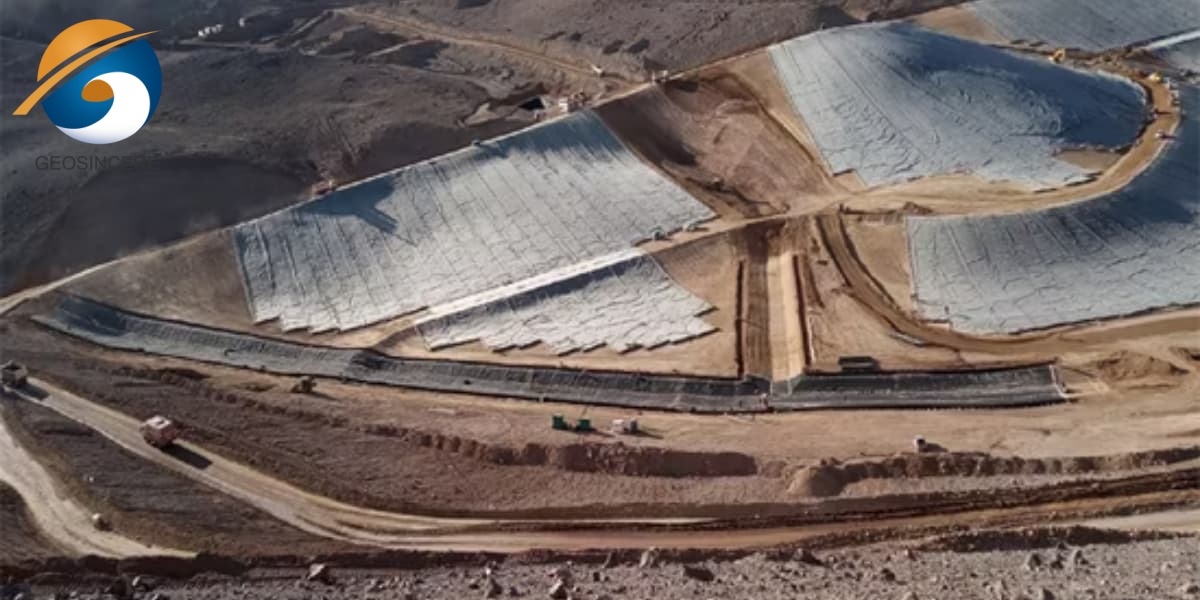
HDPE geomembrana is a high-quality impermeable liner manufactured from premium high-density polyethylene resin using blow-molding or extrusion technology. It offers excellent durability, low permeability, and strong chemical resistance. As a result, HDPE geomembrane is widely used in engineering projects that require long-term containment and environmental safety.
Its performance is superior to traditional clay liners and concrete coatings, making it a preferred choice in modern engineering solutions.
HDPE geomembrana is known for:
- High impermeability (permeability coefficient ≈ 1.0 × 10⁻¹⁵ cm/s)
- Outstanding mechanical strength
- UV resistance and weatherability
- Excellent chemical resistance
- Non-toxic, eco-friendly performance
- A lifespan that can reach 50–70 years
These advantages make HDPE geomembrana suitable for both harsh industrial environments and long-term outdoor exposure.
HDPE geomembrana play a critical role in environmental protection and infrastructure safety. Their wide use in global engineering projects proves their exceptional reliability.
The most important property of HDPE geomembrana is its extremely low permeability. This ensures effective barriers against:
- Leachate from solid waste
- Hazardous chemicals
- Mining process liquids
- Wastewater and sewage
- Industrial effluents
- Oil and hydrocarbon contaminants
It prevents pollutants from reaching groundwater and surrounding ecosystems.
HDPE geomembrane is stable when exposed to:
- Strong acids
- Strong bases
- Oils
- Saltwater
- Industrial chemicals
- Organic solvents
This capability makes it ideal for mining operations, chemical industrial zones, wastewater treatment plants, and hazardous waste landfills.
HDPE geomembrana remains intact under:
- Extreme temperatures
- Heavy mechanical stress
- High UV exposure
- Freeze–thaw cycles
With proper installation, HDPE geomembrane can maintain performance for several decades, offering long-term economic benefits.
Compared with concrete tanks, clay liners, or other waterproofing systems, HDPE geomembrana provides:
- Lower material cost
- Faster deployment
- Less maintenance
- High welding efficiency
- Lightweight transportation
These advantages reduce overall construction costs and speed up project delivery.
HDPE resin is a stable, non-toxic substance that does not release harmful chemicals into soil or water. Using HDPE geomembrane helps protect natural resources and supports sustainable engineering practices.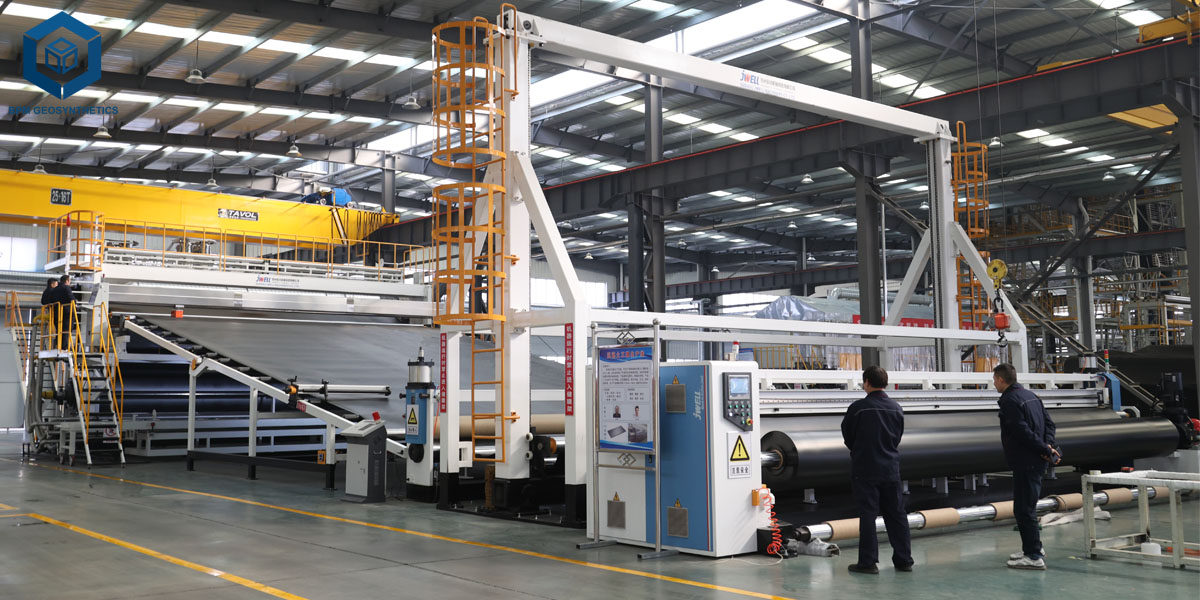
HDPE geomembrane is one of the most versatile geosynthetic materials, used across dozens of industries and engineering sectors. Its exceptional impermeability and structural integrity make it indispensable for projects requiring absolute containment and environmental isolation. Below are its major applications.
From securing municipal solid waste and hazardous chemicals to preventing harmful seepage in large-scale industrial projects, this material serves as the critical first line of defense for the ecosystem. Whether deployed as a durable liner for agricultural irrigation reservoirs, aquaculture ponds, heap leach pads in the mining sector, or as a robust waterproofing barrier in tunnels and urban transport infrastructure, geomembrana in hdpe provides a high-performance, cost-effective solution that safeguards both valuable resources and public safety worldwide.
In landfill systems, HDPE geomembrana is used as the primary impermeable barrier in:
- Bottom liners
- Capping systems
- Slope protection liners
- Leachate holding ponds
It prevents leachate from contaminating groundwater and complies with international waste management standards.
HDPE geomembrane plays a crucial role in mining engineering:
- Tailings ponds
- Heap leaching pads
- Pregnant solution ponds
- Chemical storage containment
Its resistance to cyanide, acids, and heavy metals ensures safe management of mining solutions.
HDPE geomembrana is widely used in:
- Wastewater treatment plants
- Evaporation ponds
- Sludge holding basins
- Industrial wastewater containment
It ensures zero leakage and improves system efficiency.
Farmers and aquaculture operators benefit from HDPE geomembranes in:
- Fish ponds
- Shrimp farms
- Irrigation canals
- Water reservoirs
- Manure lagoons
The geomembrane prevents seepage, reduces water loss, and improves water cleanliness for healthier aquatic life.
HDPE geomembrana is essential in:
- Roadbed waterproofing
- Tunnel lining
- Channel and canal waterproofing
- Dam reinforcement
- River embankment protection
These applications significantly enhance project durability and safety.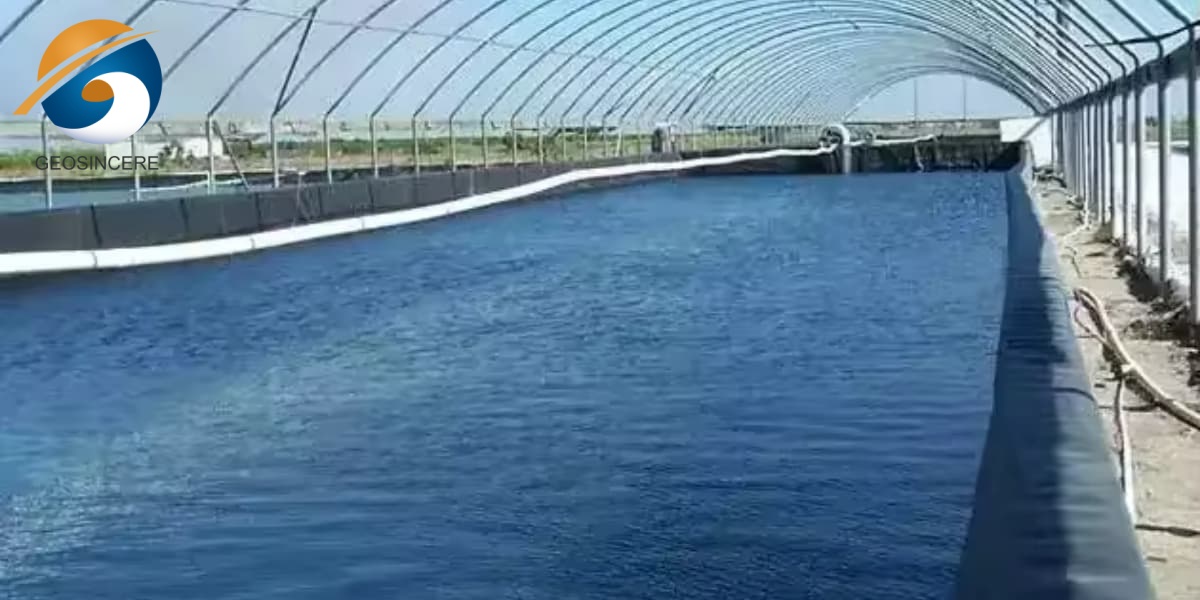
For international buyers, understanding the technical properties of HDPE geomembrane helps ensure product suitability.
- 0.5 mm
- 0.75 mm
- 1.0 mm
- 1.5 mm
- 2.0 mm
- 2.5 mm
- 3.0 mm
Thicker liners provide higher puncture resistance and are ideal for mining and landfill projects.
- Smooth geomembrane
- Textured geomembrane (single or double-sided)
- Conductive geomembrane (for leak detection systems)
Quality HDPE geomembrana should meet:
- ASTM standards
- GRI-GM13 specifications
- ISO9001 and ISO14001 certifications
Buyers should always request testing reports from manufacturers.
Proper installation is critical for ensuring long-term waterproofing performance.
- Remove rocks, roots, and debris
- Compact the soil foundation
- Ensure smooth and stable surfaces
- Add a geotextile cushion layer if needed
HDPE geomembrane is connected using:
- Hot wedge welding
- Extrusion welding
The welding parameters—temperature, pressure, and speed—must be professionally controlled.
Anchor trenches ensure stability in areas with slope or structural stress. They prevent membrane slippage and extend service life.
Important quality tests include:
- Air channel testing
- Vacuum box testing
- Spark testing
- Ultrasonic seam inspection
Qualified installers are essential for ensuring long-term performance.
After installation, cover with:
- Soil
- Sand
- Geotextile
- Concrete (if necessary)
This protects the liner from UV radiation and mechanical damage.
Selecting the right supplier is crucial for engineering success. In a market flooded with varying product grades, procurement managers must look beyond just price and evaluate a manufacturer's comprehensive capabilities. A reliable partner should possess international quality certifications (such as ISO9001 and CE), use 100% virgin resin raw materials, and offer robust technical support alongside advanced testing laboratories. Choosing a manufacturer with a proven track record ensures material consistency, timely project execution, and long-term compliance with stringent engineering standards.
Top manufacturers use 100% virgin HDPE resin, ensuring:
- Higher tensile strength
- Stronger tear and puncture resistance
- Long service life
Advanced equipment guarantees:
- Uniform thickness
- Excellent surface quality
- Higher welding performance
- Consistent roll width and length
Choose suppliers with:
- ASTM test reports
- CE certification
- ISO9001 quality certification
- Third-party inspection results
A reliable supplier can provide:
- Customized thickness
- Width up to 8 meters
- Textured surface options
- Project design support
- On-site installation guidance
As environmental protection demands increase, HDPE geomembrane will play an even larger role.
New technologies allow real-time leakage detection using conductive geomembrane systems and sensors.
Manufacturers are developing recyclable HDPE geomembrane solutions to reduce environmental impact.
Asia, Africa, and Latin America will continue to drive global market growth due to infrastructure expansion.
HDPE geomembrana is increasingly paired with:
- Geotextiles
- Geogrids
- GCL (Geosynthetic Clay Liners)
This combination improves overall engineering performance.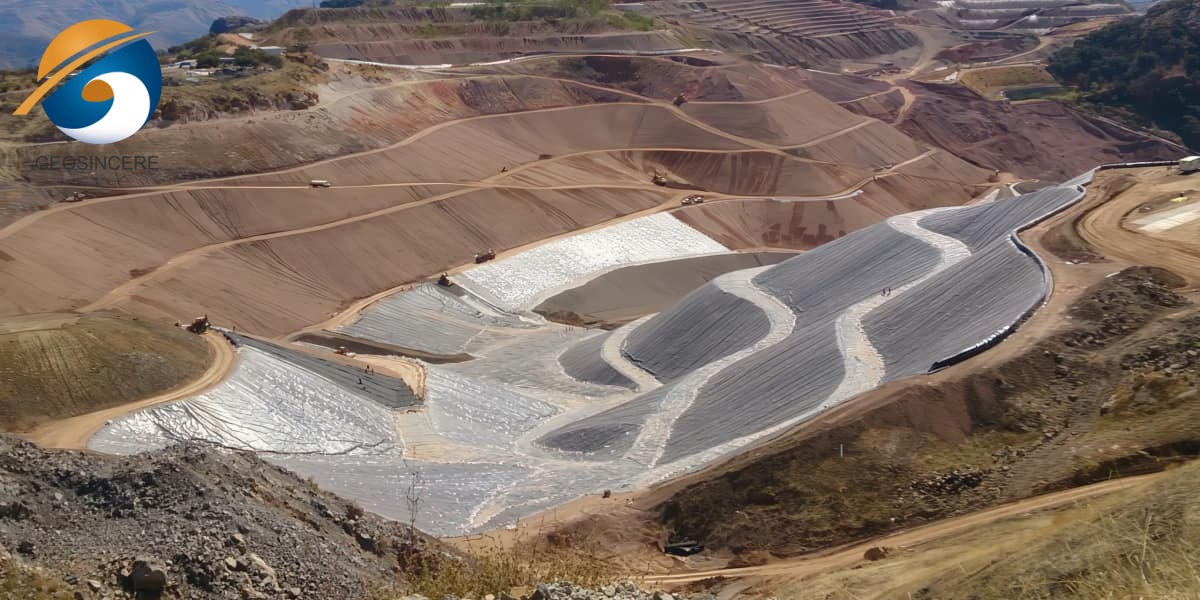
The Shandong Geosino New Material Co., Ltd. (GEOSINCERE Geosynthetics) HDPE geomembrana has proven itself as the most dependable solution for modern waterproofing and environmental protection. Its outstanding impermeability, chemical resistance, long lifespan, and cost-effectiveness make it an essential material for landfills, mining, aquaculture, wastewater treatment, and civil engineering applications.
As global demand for safe and sustainable engineering solutions grows, HDPE geomembrane will continue to be a key material that supports environmental protection while improving economic efficiency. Facing stricter regulatory frameworks and more challenging geographic terrains, selecting the right material grade and thickness has never been more critical to mitigating environmental risks and optimizing total cost of ownership. Investing in high-quality geosynthetics today guarantees the structural resilience and operational security of tomorrow's infrastructure.
Furthermore, with continuous innovations in anti-aging stabilizers and stress-crack resistance technologies, these advanced liners offer unprecedented performance stability. By drastically reducing maintenance overheads and preventing catastrophic containment failures, high-performance HDPE geomembrana represents a truly future-proof asset for global developers aiming to deliver sustainable, zero-harm engineering outcomes.
