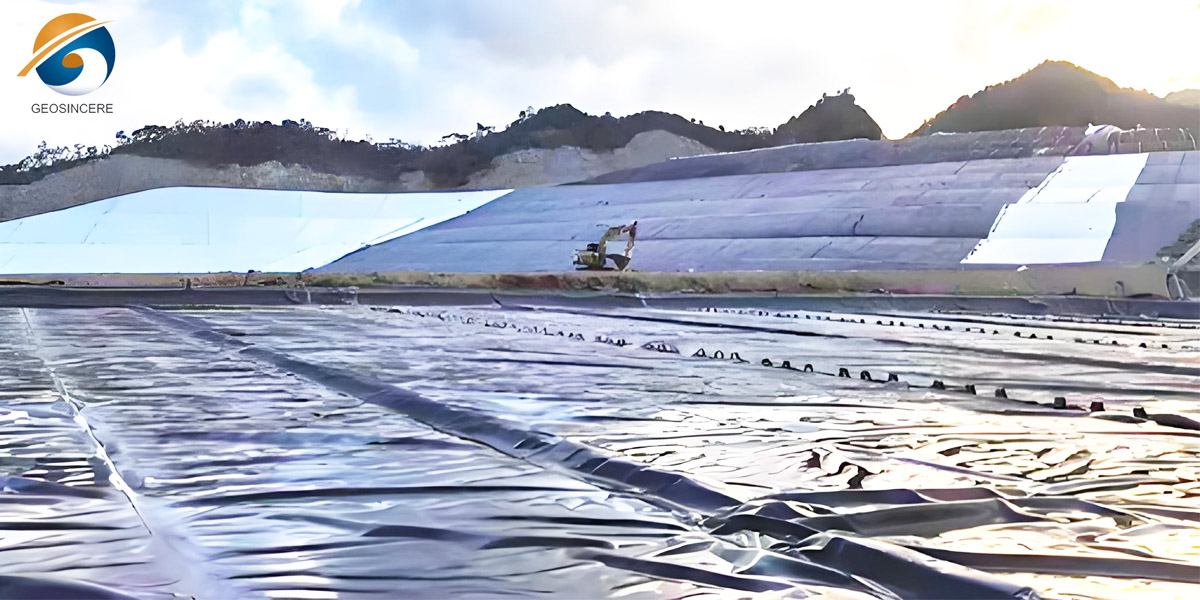
High density polyethylene geomembrane have been progressively used in various modern environmental protection, civil engineering, mining, and water management projects. These synthetic liners act as a barrier impermeable to liquids and gases, thereby protecting the groundwater, containing hazardous waste, and maintaining the structural integrity of reservoirs, canals, and landfills. Nevertheless, the effective operation of an HDPE geomembrane system relies not only on the material quality itself but also - importantly - on the trustworthiness and skill of the supplier. The selection of a capable HDPE geomembrane supplier is a tactical decision that can impact the success or failure of a containment project over time.
This paper discusses what engineers, project managers, and procurement people must consider when determining the HDPE geomembrane supplier. Moreover, it points out two well-established companies in the field: The BPM Geosynthetics and GEOSINCERE Geosynthetics who have gained a foothold in the worldwide geosynthetics market.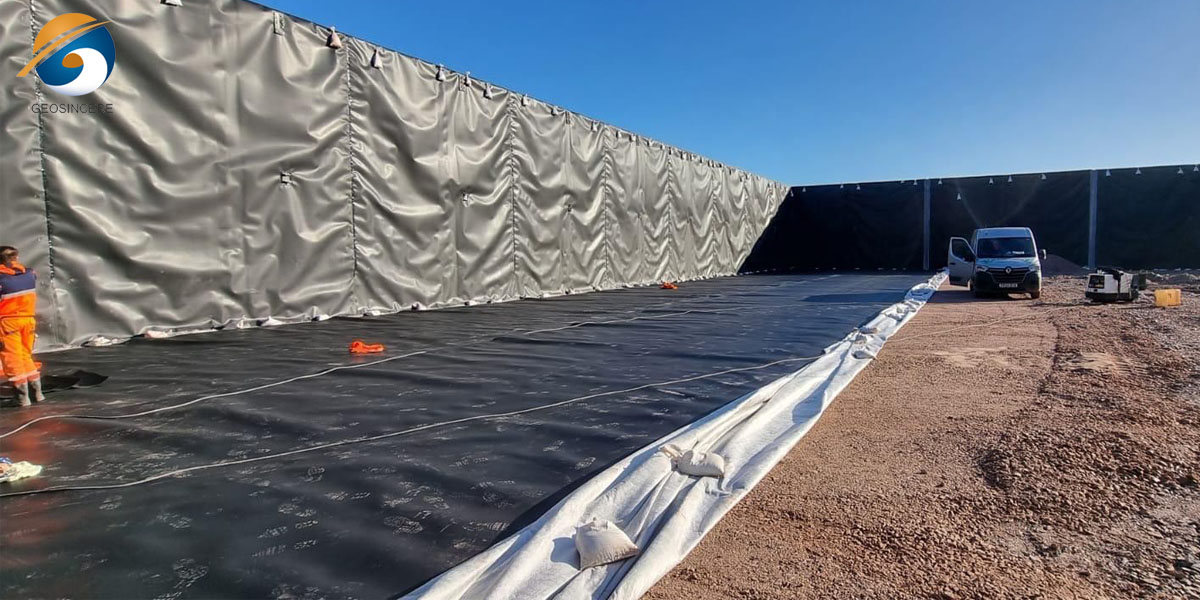
HDPE geomembranes are intended to comply with rigorous international standard sets, e.g. GRI-GM13 (Geosynthetic Research Institute), ASTM, or ISO standards. But, even the best-quality polymer resin can betray if the producer is weak in quality control, technical support or consistent supply chain management. A low-quality geomembrane may suffer under premature stress cracking, low seam strength, or degradation by UV, which eventually causes expenses associated with repairs, environmental sanctions, and loss of image. On the other hand, a reliable supplier gives raw materials that can be tracked, independent testing, technical assistance on site, and warranties that shield the end user.
Hence, knowledge of HDPE geomembrane suppliers and measuring them against objective standards is a prerequisite for any project that concerns waste containment, mining heap leach pads, aquaculture ponds or water conservation.
Trustworthy suppliers normally have their production lines or they only deal with certified manufacturers. Some indicators are:
Amount of production (e.g., annual tonnage or monthly square meters)
Thickness variety (usually 0.5 mm to 3.0 mm, smooth and textured)
Sheet width (up to 7 meters or more to reduce field seaming)
In-house laboratories for testing melt flow index, carbon black content, tensile strength, and puncture resistance
Those suppliers following ISO 9001:2015 quality management systems and having their products certified by organizations such as the Geosynthetic Institute (GSI) or BBA (British Board of Agrément) offer an additional level of trust.
The production of high-quality HDPE geomembranes starts with virgin high-density polyethylene resin that is generally mixed with carbon black (2–3%), antioxidants, and UV stabilizers. Those suppliers who rely on prime grade resin from reputable petrochemical companies (like ExxonMobil, Borealis, or Sinopec) indeed manufacture geomembranes that have excellent resistance to stress cracking and durability over a long time. Besides, some low-priced manufacturers use recycled or off-spec resin, which severely impacts the product's performance.
Top HDPE geomembrane manufacturers do not limit themselves to handing over rolls of the material. Rather, they provide:
Customized design advice based on the site (thickness, texture, anchorage details)
Seaming instructions for thermal fusion or extrusion welding
Capacity building for installation workers and quality assurance inspectors
On-site troubleshooting and non-destructive seam testing (vacuum, spark, or air pressure testing)
A supplier that lacks technical support may leave the project owner vulnerable to installation errors.
Construction projects operate on tight schedules. A supplier must demonstrate ability to deliver large quantities to remote or international locations without delay. This includes proper packaging (UV-protective wrapping), container loading, and customs documentation. Suppliers with warehouses in multiple regions or established export experience are preferable.
Many projects require geomembranes that comply with local environmental regulations (e.g., EU REACH, US EPA requirements for landfill liners). Suppliers should provide Material Safety Data Sheets (MSDS), third-party test reports, and declarations of conformity.
One notable player in the HDPE geomembrane supply chain is BPM Geosynthetics This company has built a reputation for offering a comprehensive range of geosynthetic products, including smooth and textured HDPE geomembranes, geotextiles, geogrids, and drainage composites. Their HDPE geomembranes are manufactured using state-of-the-art flat die extrusion lines, allowing for precise thickness control and uniform surface texture.
The Best Project Material Co., Ltd distinguishes itself through its customer-centric approach. For each order, they provide:
Full traceability from resin batch to finished roll
Independent laboratory test reports conducted by SGS or similar third-party bodies
Customized roll widths and lengths to minimize field seaming
Technical datasheets in multiple languages for international projects
Their products have been used in municipal solid waste landfills in Southeast Asia, mining tailings facilities in Africa, and aquaculture ponds in South America. By maintaining stock in regional hubs, BPM Geosynthetics reduces lead times and ensures that urgent replacement material can be shipped within days. For project owners seeking a balance between competitive pricing and certified quality, this supplier represents a solid choice.
Another influential name in the industry is SGEOSINCERE Geosynthetics Based in Shandong Province, China—a region with a strong industrial base for petrochemicals and geosynthetics—Shandong Geosino specializes in the research, development, and production of high-performance HDPE geomembranes. Their manufacturing facility is equipped with automated extrusion lines capable of producing geomembranes up to 8 meters in width, significantly reducing the number of field seams required for large-scale projects.
What sets GEOSINCERE Geosynthetics apart is its commitment to innovation and environmental stewardship. The company has invested in advanced resin formulation technology to enhance stress crack resistance (NCTL testing exceeding 300 hours) and low-temperature impact resistance, making their geomembranes suitable for harsh climates—from the freezing conditions of northern Canada to the intense UV exposure of Australian mining sites.
GEOSINCERE Geosynthetics also offers a range of specialized products:
Conductive HDPE geomembranes for leak location surveys (spark testing)
Composite geomembranes with geotextile lamination for added puncture protection
Dual-textured geomembranes for high-slope applications
Quality assurance is rigorous: each production batch is sampled for thickness, density, tensile properties, tear resistance, and carbon black dispersion. The company holds ISO 9001, ISO 14001 (environmental management), and OHSAS 18001 certifications. Moreover, Shandong Geosino provides on-site welding training and sends experienced technicians to assist with large-scale installations, ensuring that the barrier system performs as designed.
When choosing between suppliers like The Best Project Material Co., Ltd and Shandong Geosino New Material Co., Ltd, or others in the market, project owners should request the following before making a decision:
Product datasheets specifying thickness, density, tensile yield strength (ASTM D6693), elongation at break, tear resistance (ASTM D1004), puncture resistance (ASTM D4833), and stress crack resistance (ASTM D5397 or GRI-GM13).
Third-party test reports from laboratories accredited by GAI-LAP or similar.
Reference projects of similar scale and application. For example, if lining a heap leach pad with pH 2 solution, ask for case studies where the supplier’s geomembrane has performed for 5+ years.
Warranty terms – typical HDPE geomembrane warranties range from 10 to 25 years against defects in materials and workmanship, provided proper installation and handling.
Sample rolls for trial seaming in the field, especially if the project uses automated welding equipment.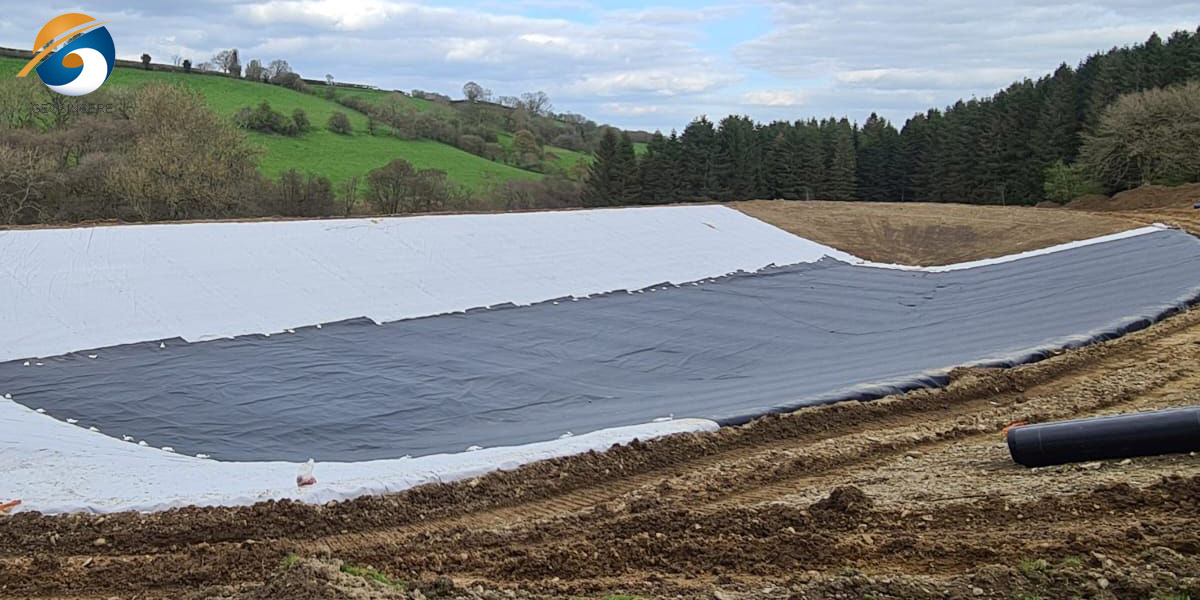
The HDPE geomembrane supply market has seen significant consolidation and globalization. Chinese manufacturers, including Shandong Geosino New Material Co., Ltd and others, have gained market share by offering competitive pricing and meeting international standards. Meanwhile, suppliers like The Best Project Material Co., Ltd focus on customer service and technical support, bridging the gap between production and end-use.
North American and European buyers often require GRI-GM13 compliance, which mandates specific property values and testing frequencies. Asian and African markets may prioritize cost-effectiveness, but awareness of quality standards is rising as environmental regulations strengthen. A competent supplier will adapt its product offering and documentation to meet local requirements without compromising core material properties.
Even the highest-grade HDPE geomembrane can fail if seaming and anchoring are improperly executed. Reputable suppliers recognize this and often provide training videos, written procedures, and on-site supervision. For instance, both The Best Project Material Co., Ltd and Shandong Geosino New Material Co., Ltd have technical teams that conduct workshops for installation crews, covering topics such as:
Handling and unrolling to avoid punctures and wrinkles
Preparing overlaps (cleaning, drying, and grinding for extrusion welding)
Operating dual-track wedge welders (temperature, speed, pressure settings)
Performing non-destructive seam tests and destructive peel/shear samples
By taking responsibility beyond material delivery, these suppliers reduce the risk of litigation and project delays, building long-term relationships with engineering contractors.
Selecting the right HDPE geomembrane supplier is a multifaceted decision that goes far beyond comparing price per square meter. It involves evaluating manufacturing quality, raw material traceability, technical support, logistics, and environmental compliance. The Best Project Material Co., Ltd.(BPM Geosynthetics)stands out for its customer-focused approach, flexible sizing, and third-party verified test reports, making it a reliable partner for a wide range of containment projects. The Shandong Geosino New Material Co., Ltd. (GEOSINCERE Geosynthetics) excels in large-width production, innovative formulations (conductive and textured geomembranes), and robust quality certifications, particularly suited for demanding mining and landfill applications.
Ultimately, project owners should develop a shortlist of suppliers, request detailed documentation, and if possible, visit production facilities or inspect reference installations. By doing so, they ensure that the HDPE geomembrane system performs as intended, protecting both the environment and the project’s bottom line. Whether the application is a municipal landfill liner, a heap leach pad for copper extraction, or an irrigation reservoir in a water-scarce region, a trusted supplier transforms a roll of polymer into a long-term environmental safeguard.