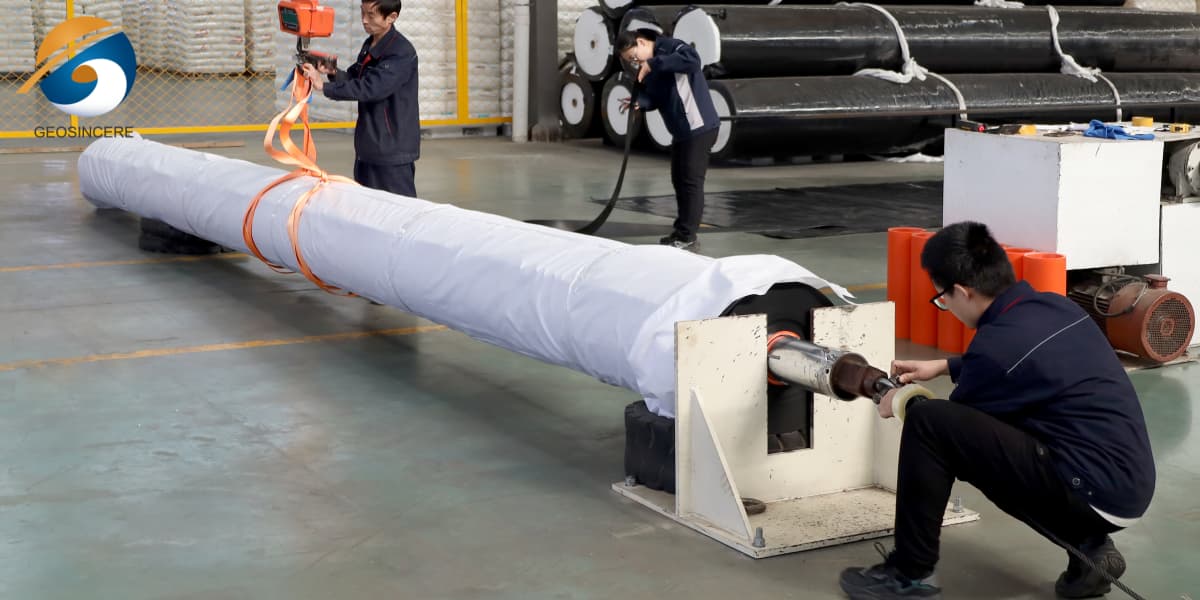
As global populations continue to grow and environmental regulations become increasingly stringent, industries and governments are under greater pressure to protect natural resources while supporting sustainable development. Among the many technologies contributing to environmental stewardship, high density polyethylene HDPE liners have emerged as one of the most effective and reliable solutions for containment, water conservation, and pollution prevention.
From municipal landfills and mining operations to agricultural reservoirs and wastewater treatment facilities, high density polyethylene liner provide a critical impermeable barrier that prevents contamination and minimizes water loss. Their durability, chemical resistance, and long service life have made them a preferred choice for engineers and project developers worldwide.
As concerns about water scarcity, soil degradation, and environmental pollution continue to rise, the strategic importance of geomembrane is becoming more evident than ever before.
Beyond their traditional applications, high density polyethylene HDPE liners are also playing an increasingly important role in modern infrastructure projects that prioritize sustainability and long-term environmental performance. With advancements in manufacturing technology, today's GEOSINCERE Geosynthetics HDPE liners offer enhanced flexibility, superior stress crack resistance, and improved installation efficiency. These benefits help reduce maintenance costs while ensuring reliable containment performance for decades. As industries continue to pursue greener and more cost-effective solutions, the demand for HDPE liners is expected to grow steadily across both developed and emerging markets, further reinforcing their position as a cornerstone of environmental protection and resource management.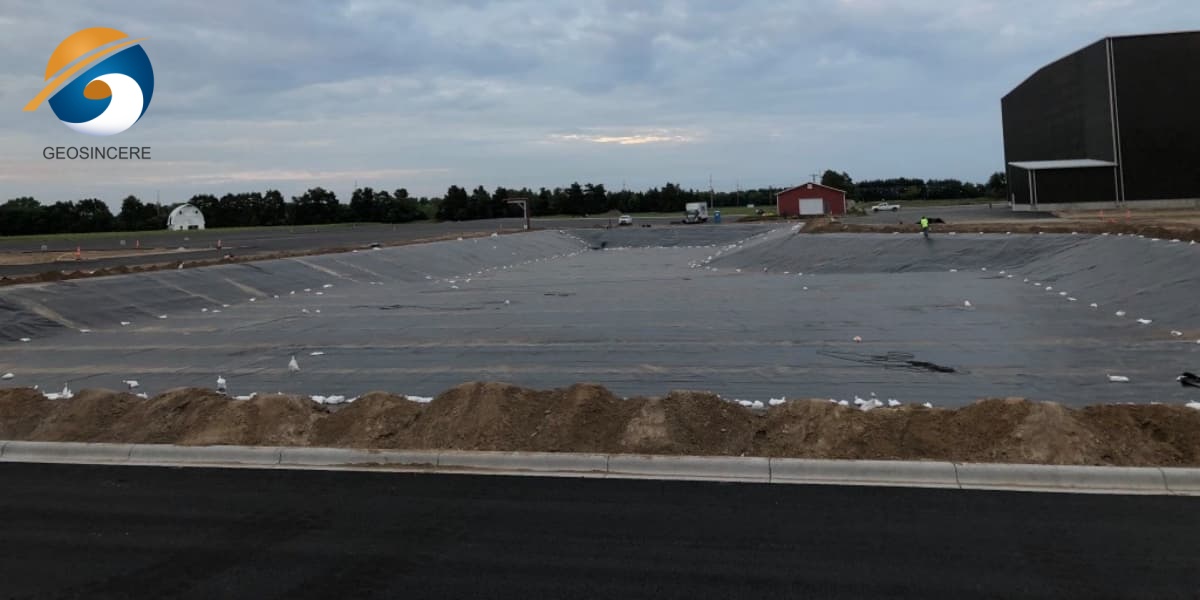
High density polyethylene HDPE liners are synthetic geomembranes manufactured from premium-grade polyethylene resin. They are specifically designed to create impermeable barriers that prevent the migration of liquids, gases, and contaminants.
These liners are widely recognized for their exceptional performance characteristics, including:
- Excellent impermeability
- Superior chemical resistance
- Outstanding UV stability
- High tensile strength
- Strong puncture resistance
- Long service life
Because of these properties, HDPE liners are used in some of the world's most demanding environmental and civil engineering projects.
Modern HDPE liners are produced using advanced extrusion technologies that ensure consistent thickness and material quality.
The manufacturing process typically incorporates:
- Virgin polyethylene resin
- Carbon black for UV protection
- Antioxidants for aging resistance
- Stabilizers for long-term performance
Strict quality control measures ensure compliance with international standards such as ASTM and GRI specifications, guaranteeing reliable performance throughout the liner's service life.
Groundwater represents one of the world's most valuable natural resources. However, industrial activities, waste disposal, and chemical storage facilities can pose significant risks to groundwater quality.
High density polyethylene HDPE liners act as impermeable barriers that prevent contaminants from penetrating the soil and reaching underground water sources.
Applications include:
- Municipal solid waste landfills
- Hazardous waste containment facilities
- Industrial wastewater ponds
- Chemical storage areas
By preventing leakage, HDPE liners play a critical role in protecting ecosystems and public health.
Soil contamination can have long-lasting environmental and economic consequences. Toxic substances released into the ground may affect agriculture, ecosystems, and nearby communities.
HDPE liners help isolate potentially harmful materials by creating a secure containment system that prevents direct contact between pollutants and the surrounding soil.
Common examples include:
- Mining tailings storage facilities
- Petrochemical containment areas
- Industrial waste lagoons
- Secondary containment systems
Their ability to resist aggressive chemicals ensures long-term environmental protection.
Modern waste management systems depend heavily on effective containment technologies.
In landfill applications, HDPE liners form the primary barrier layer that prevents leachate from escaping into the environment. Combined with drainage systems and geotextiles, they create comprehensive containment systems capable of operating safely for decades.
Without HDPE liners, many modern waste disposal facilities would struggle to meet environmental regulations and sustainability goals.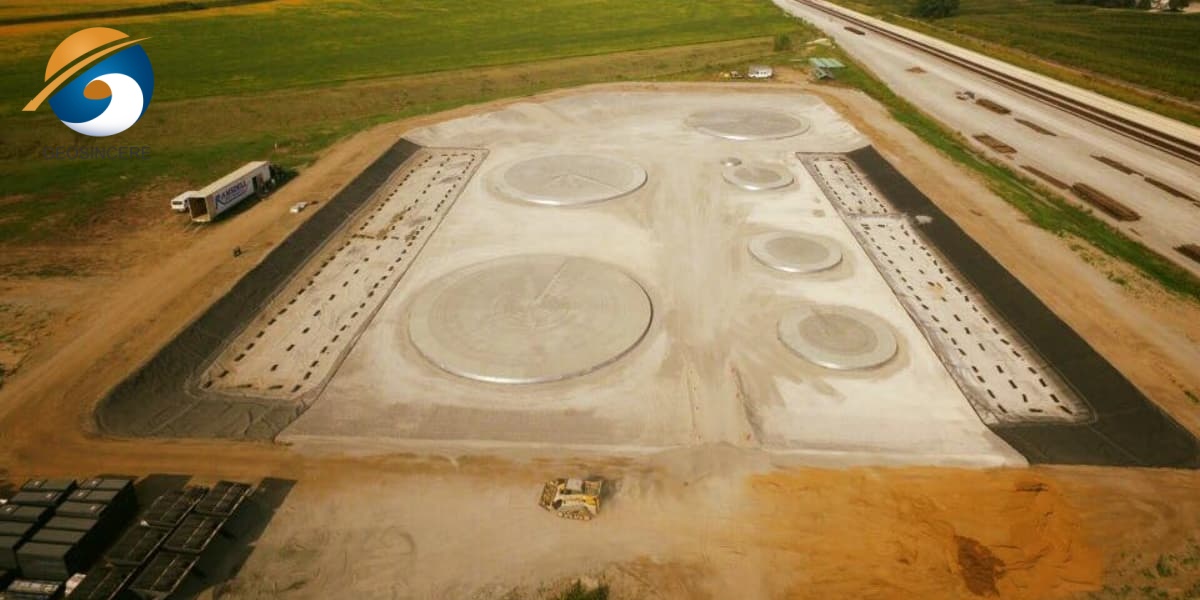
Water loss through seepage is a major challenge for reservoirs, irrigation canals, and water storage ponds.
Unlined water containment systems can lose substantial volumes of water through infiltration into the surrounding soil. This loss not only wastes valuable resources but also increases operating costs.
High density polyethylene HDPE liners significantly reduce seepage rates, helping preserve water supplies for:
- Agricultural irrigation
- Municipal water storage
- Industrial process water
- Emergency water reserves
In regions facing water scarcity, this conservation capability is particularly valuable.
Agriculture accounts for a significant percentage of global freshwater consumption.
By lining irrigation canals and reservoirs with HDPE liners, farmers can:
- Reduce water losses
- Improve water delivery efficiency
- Lower pumping costs
- Increase crop productivity
These benefits contribute directly to sustainable agricultural practices and food security.
Aquaculture facilities require reliable water retention and contamination control.
HDPE liners provide several advantages for fish and shrimp farming operations:
- Improved water quality management
- Reduced leakage
- Easier pond maintenance
- Better disease control
As global demand for seafood continues to rise, HDPE-lined aquaculture systems are becoming increasingly important.
Landfills are among the most common applications for HDPE liners.
Their primary functions include:
- Leachate containment
- Groundwater protection
- Environmental compliance
- Long-term waste isolation
Most modern landfill designs incorporate HDPE geomembranes as a critical component of the containment system.
Mining operations often involve the handling of chemically aggressive solutions.
HDPE liners are widely used in:
- Heap leach pads
- Tailings ponds
- Process water reservoirs
- Waste rock containment areas
Their chemical resistance and durability make them ideal for challenging mining environments.
Municipal and industrial wastewater treatment plants rely on HDPE liners to prevent leakage and contamination.
Applications include:
- Treatment lagoons
- Sludge storage ponds
- Equalization basins
- Effluent containment systems
These liners help maintain environmental compliance while protecting surrounding ecosystems.
Water storage infrastructure increasingly utilizes HDPE liners to improve efficiency and reduce losses.
Benefits include:
- Reduced seepage
- Improved water availability
- Enhanced reservoir lifespan
- Lower maintenance requirements
In addition, HDPE liners help maintain water quality by preventing contamination from surrounding soil and groundwater. Their long-term durability and resistance to environmental stress contribute to more reliable reservoir performance and lower operational costs over the lifetime of the project. This makes HDPE liners an essential component of modern water management systems.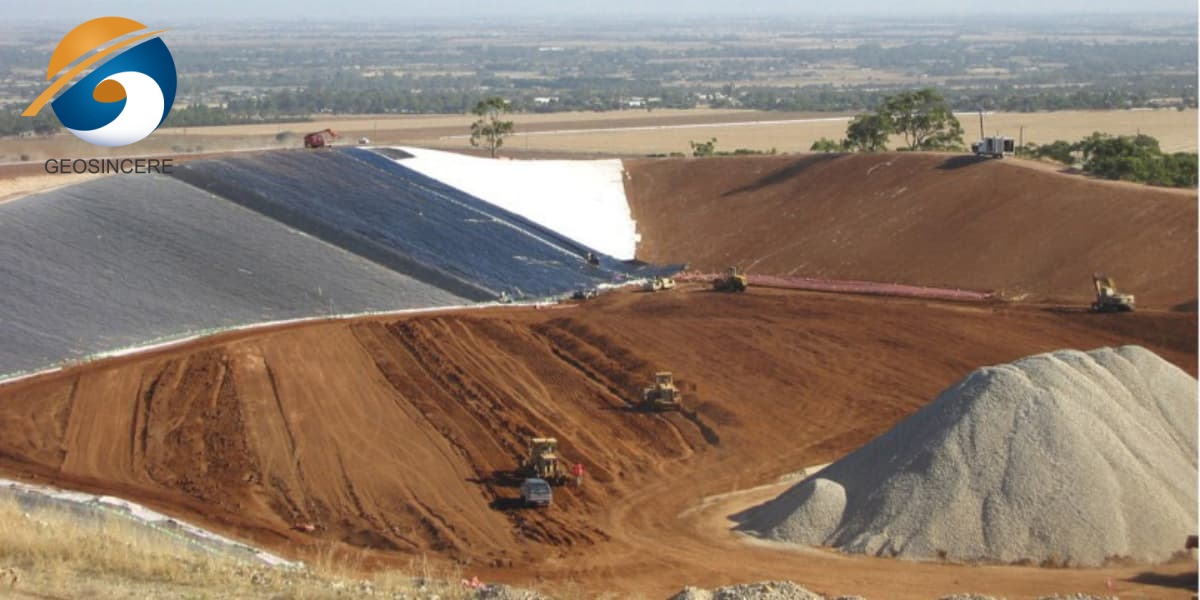
One of the greatest strengths of HDPE liners is their resistance to a broad range of chemicals, including:
- Acids
- Alkalis
- Petroleum products
- Industrial solvents
This characteristic allows them to perform effectively in highly aggressive environments.
High density polyethylene HDPE liners are engineered for extended service life.
With proper installation and maintenance, many systems can operate for several decades while maintaining their containment performance.
Factors contributing to longevity include:
- UV resistance
- Oxidation resistance
- Stress crack resistance
- Mechanical strength
Construction sites often present challenging conditions involving rocks, debris, and heavy equipment.
HDPE liners provide:
- Excellent puncture resistance
- Strong tear resistance
- High tensile strength
These properties help reduce installation damage and improve long-term reliability.
The integration of leak detection systems and sensor technologies is transforming containment infrastructure.
Future HDPE liner systems may incorporate:
- Real-time monitoring sensors
- Leak detection networks
- Predictive maintenance systems
- Remote performance monitoring
These innovations will improve operational safety and reduce environmental risks.
Manufacturers continue to develop HDPE liner formulations that offer:
- Longer service life
- Improved environmental performance
- Reduced carbon footprint
- Enhanced recyclability
These advancements align with global sustainability initiatives.
As countries invest in infrastructure modernization and environmental protection, demand for HDPE liners is expected to continue growing.
Key drivers include:
- Water scarcity concerns
- Stricter environmental regulations
- Expansion of mining and industrial sectors
- Increased investment in renewable energy projects
The role of high density polyethylene HDPE liners in environmental protection and water conservation cannot be overstated. Their ability to prevent contamination, preserve water resources, and support sustainable infrastructure makes them one of the most valuable materials in modern engineering.
Whether used in landfills, mining operations, wastewater treatment plants, reservoirs, irrigation systems, or aquaculture facilities, HDPE liners provide reliable long-term performance while helping organizations meet environmental and regulatory objectives. Their durability, chemical resistance, and adaptability to diverse project conditions ensure that even the most challenging applications are effectively managed.
Furthermore, as industries and governments increasingly prioritize sustainability and resource efficiency, the deployment of high density polyethylene HDPE liners contributes directly to reducing environmental impact, minimizing water loss, and enhancing operational efficiency. By combining advanced material technology with strategic planning, HDPE liners not only protect the environment but also provide a cost-effective and resilient solution for modern infrastructure.
As global challenges related to water management and environmental protection continue to evolve, Shandong Geosino New Material Co., Ltd. (GEOSINCERE Geosynthetics) high density polyethylene HDPE liners will remain a critical solution for building a safer, more sustainable, and environmentally responsible future.