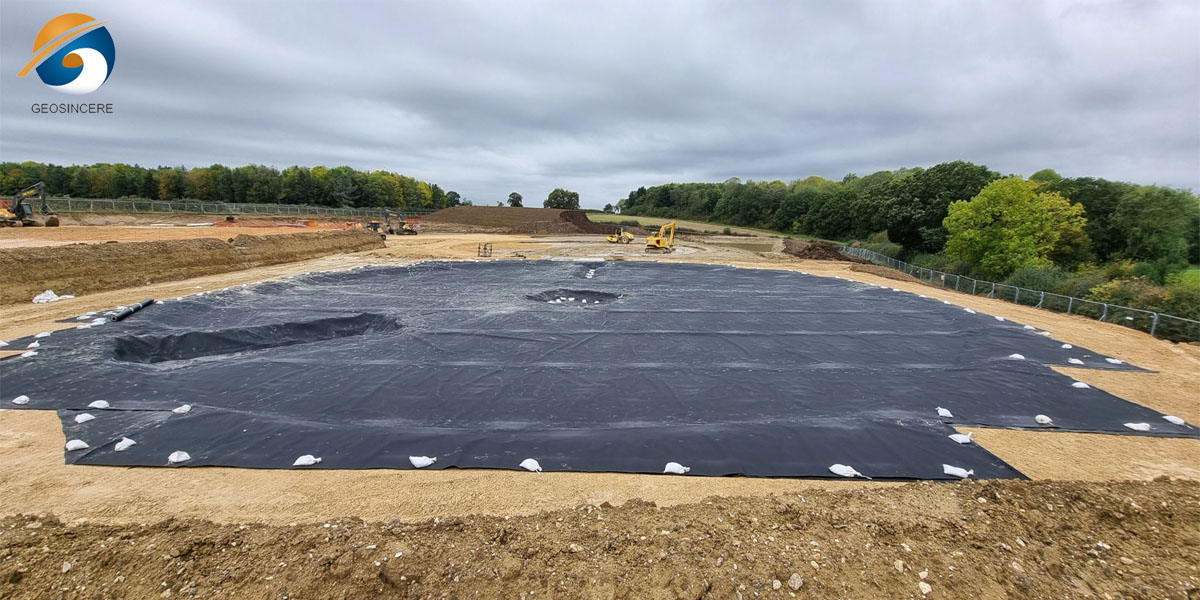
Nowadays, infrastructure is increasingly threatened by issues such as limited water resources, environmental rules, and climate hazards. The deliberate use of GEOSINCERE Geosynthetics HDPE smooth geomembrane in infrastructure works not only leads to meeting environmental requirements, improving the safety of operations, and minimizing maintenance costs over time. Besides, the role of this product is far from being just containment; it is a symbol of a conscious attitude toward nature preservation. With extreme weather changes and industrial growth causing serious pressures on engineering solutions, the performance features of smooth high-density polyethylene such as very high mechanical strength, excellent resistance to chemicals, and stable properties under UV exposure become essential and cannot be compromised. These carefully designed liners help in two ways: they prevent dangerous substances from leaking and contaminating drinking water sources, and at the same time, they lower the chances of soil damage. Because they function like an impermeable skin stretched over large footprints of the earth, smooth geomembrane put engineers at ease even when working in difficult situations.
On top of that, as worldwide economies make a move toward sustainability and ESG (Environmental, Social, and Governance) standards, the choice of lining material is intertwined with economic factors. Firstly, a properly installed HDPE smooth geomembrane system not only highly reduces the probability of hazardous containment failures that could result in enormous legal liabilities and high-cost remedial actions, but secondly, it also shows how the knowledge of the numerous advantages of this versatile material—from the quality of its base resin to its multi-industry applications—is indispensable for every progressive player aiming to secure their infrastructure assets against future risks.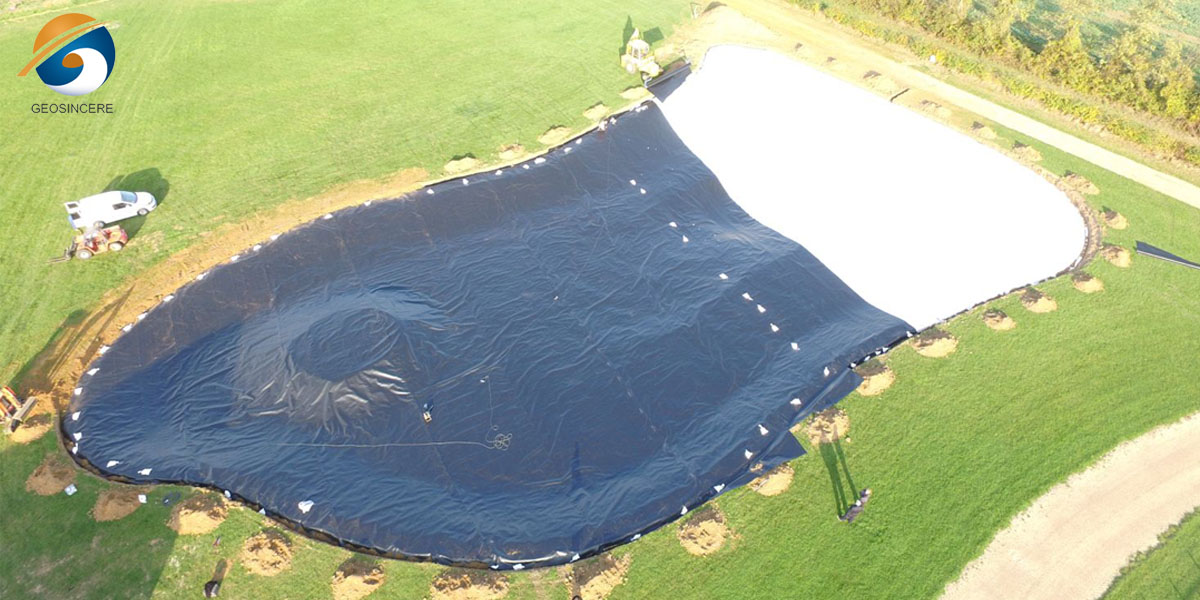
HDPE smooth geomembrane is a thin sheet of high-density polyethylene used as an impermeable barrier in lining systems. The smooth surface sets it apart from textured or rough geomembranes, so it is primarily used in scenarios where friction is not a major concern.
- High resistance to chemicals and UV rays
- Outstanding strength to stretching and puncturing
- Very long lifespan (up to 20–50 years in most cases)
- Very low permeability, hence effectively blocking liquid or gas passage
At the level of molecules, the tightly packed, crystalline arrangement in high-density polyethylene is what makes the smooth liner so stiff and chemically non-reactive. When compared with low-density types, these have very little branching of the polymer chains which enables them to be packed very tightly so that they are less susceptible to stress cracking and chemical attacks by agressive acids, bases and organic solvents. That is why the smooth variant is very beneficial in designs of containment with a flat bottom or lining of canals where the main point is to increase the flow of liquid and decrease the resistance of the water rather than stabilizing steep slopes.
Advanced manufacturing techniques are used for producing HDPE geomembranes:
- Extrusion and blown film processes for making a membrane of even thickness
- Co-extrusion to create multi-layer membranes
- Additives like carbon black, UV stabilizers, and antioxidants to increase product life
Thanks to such manufacturing advances, HDPE smooth geomembrane can still perform very well even after being exposed to the environment over long periods. When extrusion is carried out, the systems used for measuring temperature and gauge monitor ensure that the membrane throughout the entire width of the roll is of absolute thickness uniformity. They thus remove spots which without this measure would be the weakest parts of a system whose structural integrity has been compromised. The co-extrusion process, in addition, enables the membrane to be layered strategically as, for example, a masterbatch containing 2% to 3% of finely dispersed carbon black is normally introduced into the outer layers.
This premium carbon black distribution act as a highly effective barrier against ultraviolet radiation, neutralizing the radical reactions triggered by solar exposure. Concurrently, a synergistic blend of primary and secondary antioxidants works behind the scenes to inhibit thermal oxidative degradation during both high-temperature installation welding and decades of subsequent operational burial, future-proofing the liner against the elements.
The minimal permeability of HDPE smooth geomembrane suits it for:
- Landfill and hazardous waste containment systems
- Mining tailings and process ponds
- Water storage reservoirs
- Industrial chemical ponds
This feature of high impermeability leads to avoidance of contamination, the protection of soil and groundwater, as well as meeting regulatory requirements.
HDPE geomembranes have chemical resistance to a wide spectrum, including:
- Acids and bases
- Organic solvents
- Petrochemical products
- Mining process solutions
Because of this feature, HDPE smooth geomembrane can be used without problems in industrial, chemical, and mining contexts.
The formulation of the latest HDPE smooth geomembranes includes stabilizers that enable the materials to stand:
- Direct sunlight exposure
- Extreme temperatures
- Oxidation
- Environmental aging
Therefore, the lining solution serves for a very long time and continues performing reliably in exposed conditions.
HDPE smooth geomembrane features:
- High tensile and tear strength
- Excellent puncture resistance
- Very effective welding strength of seams
Thanks to these characteristics, the products remain dependable both during installation and operation conditions, even when the surface is rough.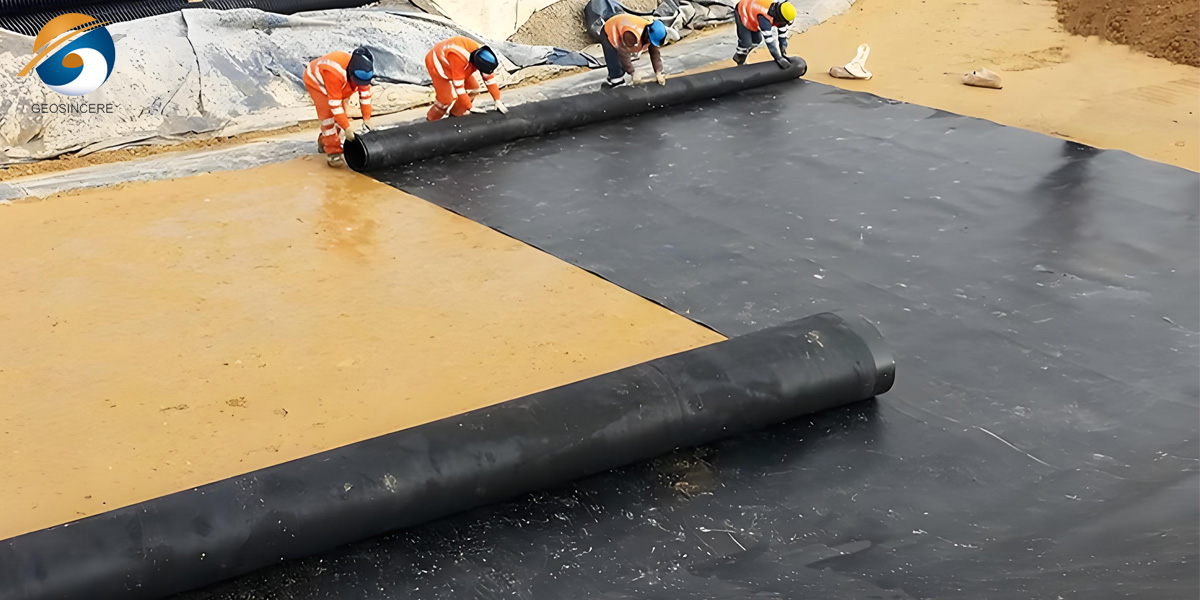
Municipal and industrial landfills require a primary barrier to protect soil and groundwater from leachate. HDPE smooth geomembrane provides:
- Reliable liquid containment
- Compliance with environmental regulations
- Structural stability for multi-layered landfill systems
Thicker geomembranes (1.5–2.0 mm) are often specified for municipal solid waste landfills to enhance durability.
In mining, HDPE smooth geomembrane can be applied to:
- Leaching in heap pads
- Tailings storage
- Ponds for process solution
The combination of chemical resistance, puncture performance, and impermeability is what makes the geomembrane viable for aggressive leachates and maintaining environmental standards.
Water reservoirs, irrigation canals, and stormwater ponds will be able to take advantage of HDPE smooth geomembrane in:
- Tightening containment and minimizing water losses
- Keeping the quality of water
- Granting a warranty of the product’s durability outdoor
The thickness of 0.5–1.0 mm is widely associated with small ponds and irrigation systems in agriculture as well as in aquaculture; by contrast, the ones used for larger reservoirs are mainly within 1.0–1.5 mm.
Industries continue to use HDPE smooth geomembrane for:
- Chemical ponds and tanks
- Cooling water basins
- Wastewater lagoons
- Secondary containment of hazardous chemicals
Besides that, it backs up the prevention of soil contamination and actively commits to environmental protection.
Energy sector also relies on HDPE smooth geomembrane as respective materials for:
- Waterproofing the solar pond
- Biogas digester
- Oil drilling fluid containment
- Fracking fluid ponds
HDPE offers very limited permeability combined with high chemicals resistance that are the environment-friendly features of the materials used in energy operations.
Standard thicknesses are:
- 0.5–0.75 mm: Temporary applications and small ponds
- 1.0–1.25 mm: Aquaculture and irrigation
- 1.5–2.0 mm: Landfills, mining, and wastewater ponds
- 2.5–3.0 mm: Containment of highly hazardous materials
Application, environmental conditions, exposure to chemicals and expected life time are the factors that lead to the final decision.
- Type of project and potential risks involved
- Level of smoothness of the subgrade as well as layers of protection
Without a doubt, effective seam welding is indispensable in providing leak-proof containment. Some of the technologies include:
- Hot wedge welding
- Hot air welding
- Extrusion welding
Experienced and competent installers will guarantee seam strength and the overall reliability of the system.
Subgrade free of debris and very smooth surface drastically reduces the problem of puncturing other forms of damage. Geotextile fabric can offer an additional layer of protection, especially when the subgrade surface is covered with stones, etc.
Typical inspection procedures consist of:
- Vacuum testing of seams
- Spark or air pressure testing
- Destructive and non-destructive testing
All these steps are aimed at confirming whether or not various ASTM and GRI standards have been met.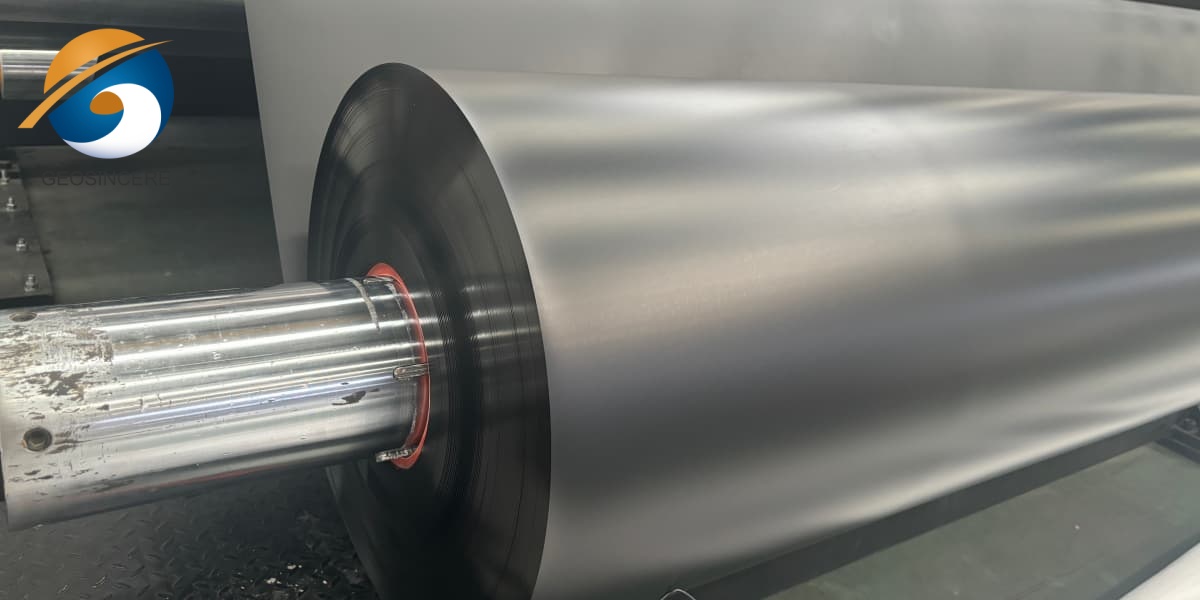
HDPE smooth geomembrane helps prevent:
- Groundwater contamination
- Soil degradation
- Hazardous material leakage
The employment of this solution is a major factor in realization of sustainable development goals in infrastructure projects.
Despite the fact that, in many cases, the expenditure at the outset is a bit greater, HDPE smooth geomembrane can deliver:
- Extremely durable performance over time
- Significant decrease of repair and maintenance cost
- Fulfillment of standards for environmental protection
- Reduction of operational risks
Many a time, through lifecycle cost analysis, it comes out that the appropriate thickness of a geomembrane is one of the factors that leads to a decrease in overall project cost.
Constantly upgrading smart monitoring systems installed in conjunction with the geomembrane help in remotely detecting failures, thus obviating manual inspections and allowing predictive maintenance.
The new-generation materials encompass innovative polymer blends and multi-layered composites that feature improved working properties such as easier handling, resistance to damage and better performance in chemically aggressive environments.
More stringent environmental standards coupled with infrastructure development in the less developed regions of the world are the main factors behind the forecast of a rise in the installation of HDPE smooth geomembrane globally.
Shandong Geosino New Material Co., Ltd. (GEOSINCERE Geosynthetics) HDPE smooth geomembrane is now recognized as one of the strategic materials in the infrastructure globally. Its impermeability, chemical resistance, UV durability, and mechanical strength have made it one of the most reliable choices.
Once set the right thickness and prepared the subgrade, and properly installed the geomembrane, engineers, and owners of the project should have a reliable source of environmental protection, safety, and operational efficiency provided by HDPE smooth geomembrane during the whole period of the project implementation. After all, the application of this cutting-edge containment technique helps in balancing the growing industrial development with strict ecological conservation.by forming a permanent and resilient barrier between hazardous processes and our vulnerable biosphere, it enables critical global supply chains - such as mineral extraction, clean energy production, and urban waste processing - to be carried out in a sustainable manner. While at the same time compliance with international frameworks is becoming more and more rigorous, the smooth polymer liner is no longer just a small part of construction budgets but a major one that protects public health, vital aquifers, and prevents billions of dollars' worth of environmental liabilities that could be passed on to future generations.