As a senior foreign trade operations specialist at GEOSINCERE Geosynthetics, a manufacturer specializing in high-quality geosynthetic products including HDPE geomembranes, I have supported numerous international projects involving geomembrane. Selecting the right sheet thickness is one of the most critical decisions in ensuring long-term performance, regulatory compliance, and cost-effectiveness. Geomembrane sheet, particularly those made from High-Density Polyethylene (HDPE), are engineered impermeable barriers used across environmental containment applications.
Thickness directly influences mechanical properties such as tensile strength, puncture resistance, tear resistance, and overall durability under load, chemical exposure, and environmental stresses. GRI-GM13, the widely referenced standard for HDPE geomembranes, covers thicknesses from 0.75 mm (30 mils) to 3.0 mm (120 mils), with common production ranging from 0.5 mm to 3.0 mm depending on manufacturer capabilities and project needs.
This guide examines standard thickness options, their corresponding properties, and suitable application scenarios. It draws from industry standards like GRI-GM13 and established engineering practices to help project owners, engineers, and procurement teams make informed choices. Proper thickness selection balances performance requirements with installation feasibility and project economics, ultimately contributing to sustainable containment solutions in mining, wastewater, landfills, and water management.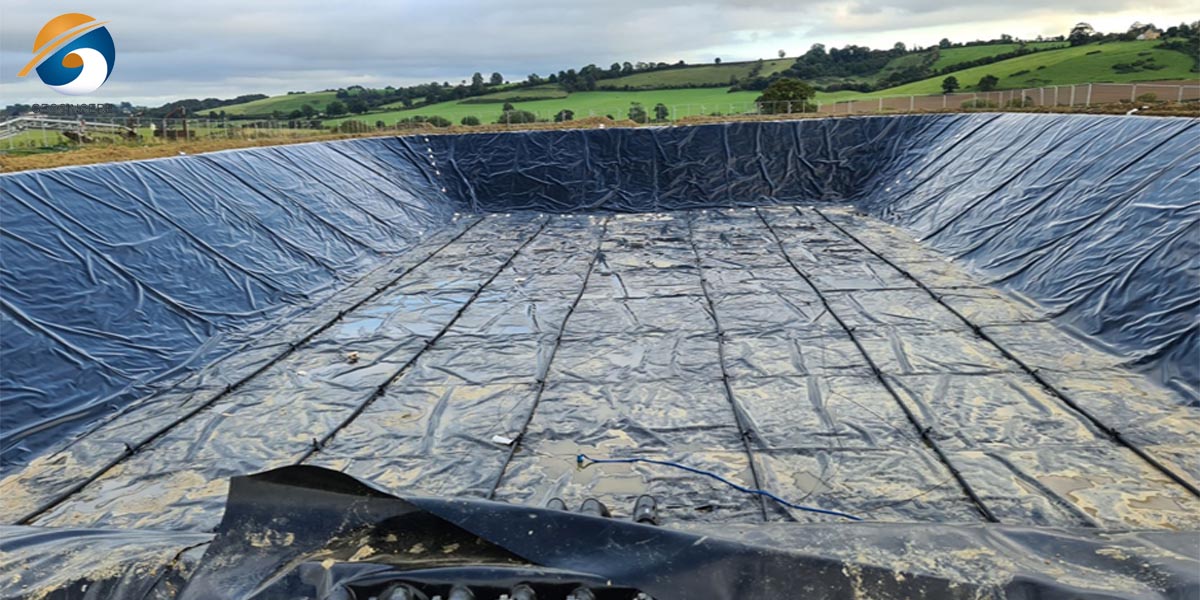
Geomembrane thickness is measured as the minimum average value (MAV) or nominal thickness, with tolerances specified in standards. For HDPE, GRI-GM13 defines requirements for smooth and textured sheets across the thickness range. Common available thicknesses include 0.5 mm (20 mil), 0.75 mm (30 mil), 1.0 mm (40 mil), 1.5 mm (60 mil), 2.0 mm (80 mil), and up to 2.5 mm or 3.0 mm (100-120 mil).
Manufacturing typically involves flat die extrusion or blown film processes using virgin HDPE resin with carbon black for UV stabilization. Thicker sheets provide greater absolute strength and puncture resistance but are heavier, more rigid, and may require more careful handling during deployment. Thinner sheets offer better conformability to subgrades and lower material costs but may have reduced resistance to point loads and long-term stresses.
Textured geomembranes, available in the same thickness ranges, enhance frictional properties for slope applications. Core thickness measurements for textured sheets follow ASTM D5994 to ensure consistent performance. Geosino produces sheets meeting or exceeding GRI-GM13 properties, with widths typically 5.8–8 meters and roll lengths varying by thickness to facilitate efficient transportation and installation.
Thinner geomembranes in the 0.5–0.75 mm range are suitable for applications with moderate mechanical demands and lower risk profiles. These thicknesses provide adequate impermeability while remaining lightweight and flexible for easier installation over smooth subgrades.
Key properties include good elongation and conformability, with tensile strengths meeting basic project needs. They are often used in secondary containment, temporary covers, or less aggressive environments. Puncture and tear resistance are lower compared to thicker options, so they perform best when protected by geotextiles or cover layers.
- Aquaculture ponds and small irrigation reservoirs where water depths and loads are limited.
- Agricultural water storage and canal linings with minimal traffic or sharp objects.
- Secondary liners in composite systems or floating covers.
- Temporary construction site containment or remediation projects with short design lives.
In these scenarios, 0.75 mm HDPE offers a cost-effective balance and complies with GRI-GM13 minimums for many properties. Projects should include cushion layers to mitigate puncture risks from underlying materials.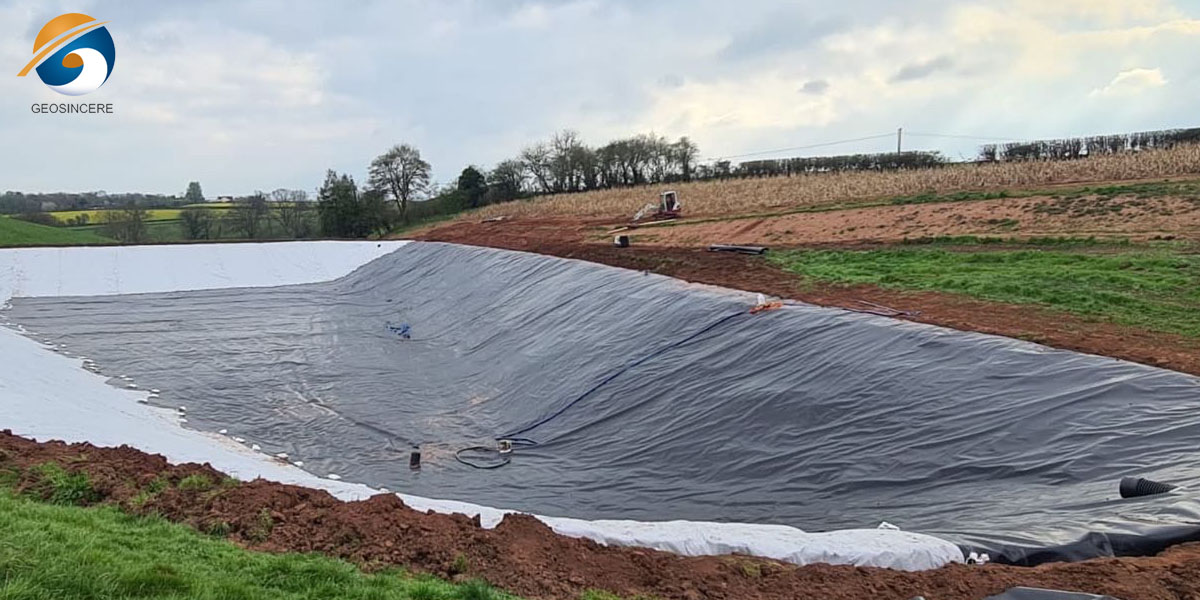
The 1.0 mm thickness represents a versatile mid-range option widely specified for general-purpose containment. It provides improved mechanical properties over thinner sheets, including higher tensile strength (typically increasing proportionally with thickness per GRI-GM13) and better resistance to installation stresses.
This thickness balances flexibility for conforming to irregular subgrades with sufficient durability for many permanent installations. It is commonly available in both smooth and textured finishes.
- Medium-sized water reservoirs, ponds, and canal linings.
- Landfill capping systems or secondary liners.
- Wastewater treatment lagoons with moderate chemical exposure.
- Road base waterproofing and some agricultural impermeability projects.
For example, 1.0 mm HDPE has been used in landfill base and side linings in certain projects. It is suitable where regulatory requirements do not mandate thicker primary liners and where cost control is important while maintaining reliable performance.
1.5 mm (60 mil) is one of the most commonly specified thicknesses for critical containment applications. It meets many regulatory minimums, such as those for municipal solid waste landfill liners (often ≥60 mil HDPE), and offers a robust combination of strength, chemical resistance, and weldability.
According to GRI-GM13, minimum tensile properties, puncture resistance, and tear strength increase significantly at this thickness compared to 1.0 mm. It provides excellent long-term durability, with service lives often exceeding 20–30 years when properly installed and covered.
- Primary liners in municipal landfills and hazardous waste containment.
- Mining heap leach pads and tailings storage facilities with moderate ore heights.
- Wastewater treatment ponds, aeration lagoons, and industrial effluent basins.
- Large water reservoirs, dams, and canals requiring high reliability.
In mining, 1.5 mm HDPE is frequently chosen for heap leach pads handling cyanide or acidic solutions. In wastewater applications, it withstands a wide pH range and organic compounds effectively. Many composite liner systems use 1.5 mm HDPE over geosynthetic clay liners (GCL) or compacted clay.
Thicker geomembranes from 2.0 mm upward are engineered for the most demanding environments involving high loads, aggressive chemicals, or extended design lives. These provide superior puncture resistance, tensile strength, and protection against subgrade irregularities or heavy cover materials.
At 2.0 mm, properties such as multi-axial tensile strain and stress crack resistance are enhanced, making them ideal for high-stress applications. 2.5 mm and 3.0 mm sheets are used in extreme conditions, though they require specialized installation equipment due to increased weight and stiffness.
- Large-scale mining heap leach pads and tailings dams with deep ore stacks or high hydraulic heads.
- Heavy industrial wastewater and chemical containment facilities.
- Biogas digesters and high-pressure process solution ponds.
- Hazardous waste landfills and projects with strict long-term performance requirements.
For mining facilities subject to very high loads, 1.5–2.5 mm thicknesses are common. Thicker liners (2.0–3.0 mm) excel in evaporation ponds and process solution storage where mechanical protection is paramount. Textured versions at these thicknesses improve slope stability significantly.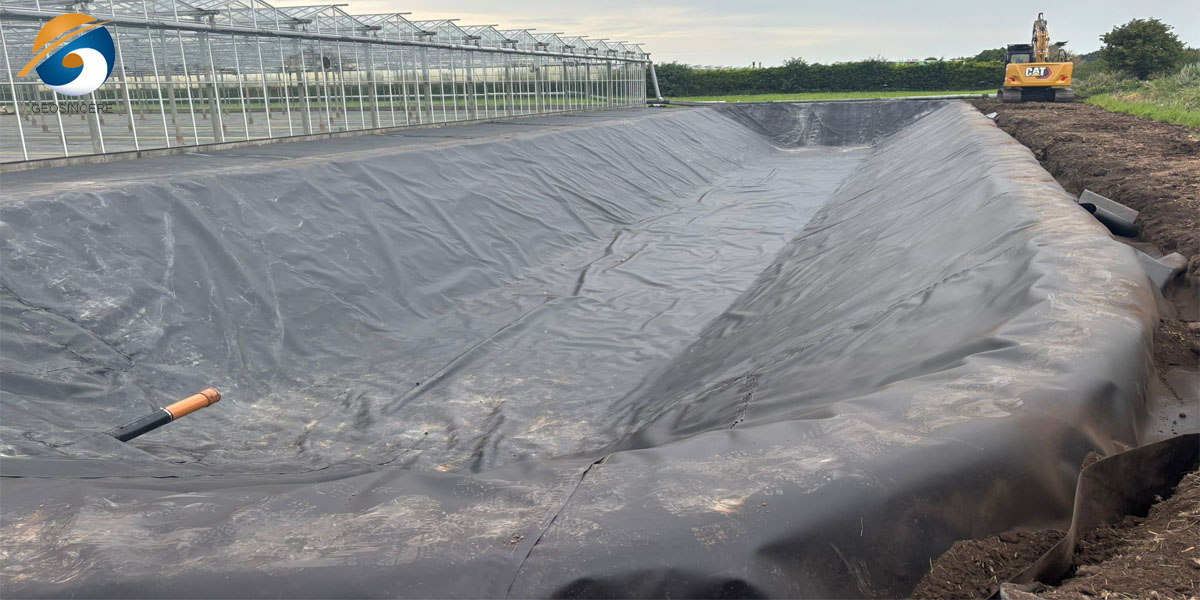
Selecting the optimal thickness involves multiple engineering considerations beyond basic application type:
The thickness of a geomembrane sheet directly dictates its tensile strength, puncture resistance, and tear capacity. In applications such as mining heap leach pads (where ore heights can exceed dozens of meters) or deep municipal solid waste (MSW) landfills, the liner is subjected to massive vertical confining pressures. If the geomembrane is too thin, localized stress concentrations from the overlying material can cause yield deformation or immediate puncture. Therefore, engineering designs must calculate the maximum expected waste/ore height, material density, and dynamic construction loads to select a thickness capable of withstanding these multi-axial mechanical stresses.
Geomembranes are rarely deployed to contain clean water; they typically serve as barriers for aggressive industrial wastewater, heavy metal tailings, or complex landfill leachates. Although high-density polyethylene (HDPE) boasts excellent chemical resistance, prolonged exposure to harsh chemicals accelerates the depletion of antioxidants within the polymer, potentially leading to photo-oxidation or Environmental Stress Cracking (ESC). Opting for a thicker geomembrane provides a larger "sacrificial buffer" against chemical degradation and molecular aging, significantly slowing down permeation rates and ensuring the system's barrier integrity over a multi-decade lifespan.
The subgrade preparation and localized geological risks heavily influence thickness selection:
If the subgrade contains unavoidable gravel, angular stones, or jagged bedrocks, a thicker sheet (e.g., 2.0 mm / 80 mil or greater) is required to resist localized point-load puncturing.
On steep impoundment or landfill side slopes, the geomembrane must support not only downward pressure but also massive downdrag tensile forces. Thicker, and often textured (co-extruded or structured), sheets are mandatory here to increase the interface friction angle and prevent veneer slope failure.
In areas prone to seismic activity or differential settlement (like soft clay foundations), the liner will experience localized elongation. Thicker sheets offer higher ultimate tensile strength at break, allowing the liner to yield and bridge small voids without rupturing.
In environmental and civil engineering, thickness is frequently dictated by strict regional or international regulatory mandates. For instance, many environmental protection agencies (such as the US EPA or equivalent European authorities) enforce a mandatory minimum thickness—typically 60 mil (1.5 mm) for HDPE liners in hazardous and municipal waste landfills. These baseline standards are established to guarantee a reliable safety margin against manufacturing imperfections, installation stress, and minor scratches, making regulatory compliance the non-negotiable starting point for thickness selection.
While material costs rise with thickness, the selection process must balance initial capital expenditure (CAPEX) against long-term operational risk and maintenance (OPEX):
Thicker geomembranes are more robust during deployment. They are less susceptible to wind uplift during layout, resist damage from heavy installation equipment (e.g., welding machines and delivery trucks), and are less prone to burn-through during thermal wedge welding.
A thinner liner increases the probability of construction-induced defects. The cost of mobilizing a team to locate and repair a post-closure leak via electrical leak location (ELL) surveys almost always dwarfs the initial savings gained by purchasing a thinner sheet. Investing in optimum thickness is a proven method for minimizing long-term liability.
Regardless of thickness, successful performance depends on proper installation. Thinner sheets are more forgiving in terms of flexibility but more susceptible to damage. Thicker sheets demand experienced crews using hot-wedge or extrusion welding techniques, with stringent quality assurance (CQA) including seam testing and non-destructive vacuum box or air channel tests.
Protective cover layers (sand, geotextile, or gravel) are essential, especially for exposed or high-traffic applications. Longevity studies indicate well-installed HDPE geomembranes can perform for decades, with thicker options generally offering greater margins of safety under stress.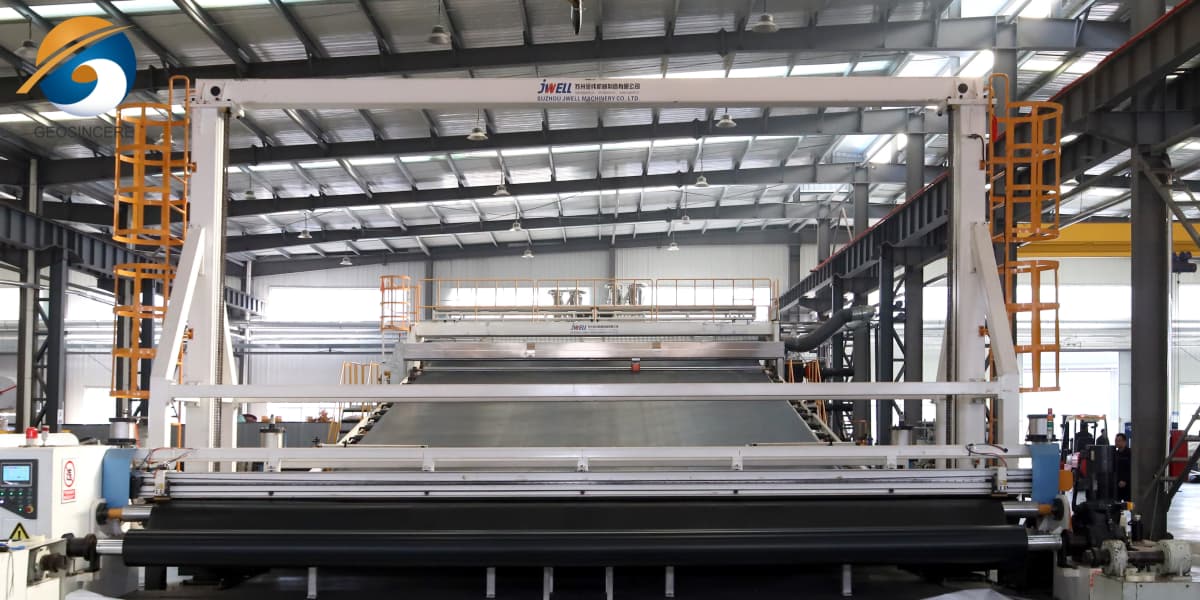
Geo membrane sheet thickness options from 0.5 mm to 3.0 mm provide tailored solutions across a spectrum of containment challenges. Thinner profiles suit lighter-duty applications like small ponds and secondary systems, while 1.5 mm and thicker options deliver the robustness required for mining, landfills, and industrial wastewater projects.
At Shandong Geosino New Material Co., Ltd. (GEOSINCERE Geosynthetics) , we produce HDPE geomembranes in various thicknesses compliant with GRI-GM13, supporting global clients with reliable supply, technical expertise, and competitive international trade solutions. Choosing the right thickness optimizes project safety, environmental protection, and return on investment.
For detailed specifications, samples, or assistance in selecting the ideal geomembrane thickness for your next project, contact our team. We are committed to delivering durable, high-performance geosynthetic solutions that meet your exact requirements.
