Case Details
Geomembranes find various applications in agriculture, providing practical solutions for water management, soil protection, and environmental sustainability. In agricultural applications, geomembranes are utilized as liners for water storage ponds, reservoirs, and irrigation canals. These liners create impermeable barriers that prevent water seepage into the soil, ensuring efficient water utilization and minimizing water loss. Geomembranes also contribute to the prevention of soil erosion by acting as a protective layer between the soil and water. By maintaining a controlled water supply, geomembranes enable optimal irrigation practices, promoting healthy plant growth and maximizing crop yield. Furthermore, geomembranes help to conserve water resources by reducing evaporation and seepage, making agricultural practices more sustainable and environmentally friendly.
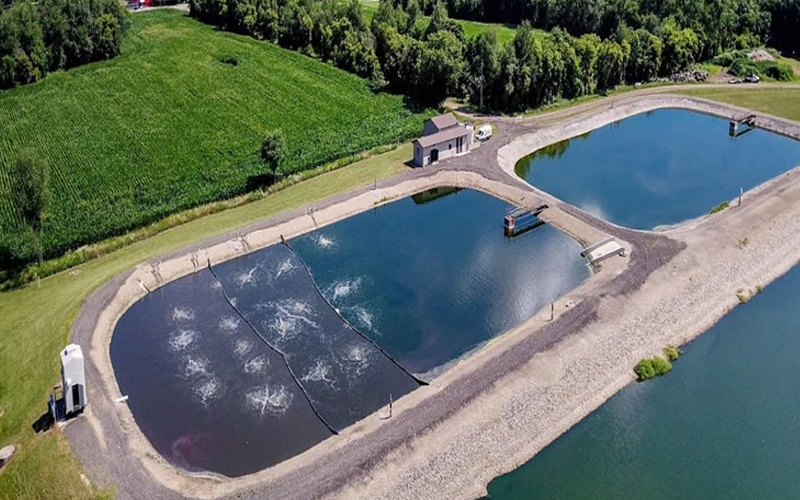
Water Conservancy Projects Geomembrane Applications
- Reservoir Linings: Geomembranes are used to line reservoirs, including large-scale water storage reservoirs, irrigation reservoirs, and recreational ponds. The geomembrane acts as a waterproof barrier, preventing seepage and loss of water from the reservoir, ensuring efficient water storage and management.
- Canal and Channel Linings: Geomembranes are employed as linings for canals, channels, and irrigation ditches. The lining helps to reduce water loss due to seepage, ensuring an efficient and controlled distribution of water to agricultural fields or other water users.
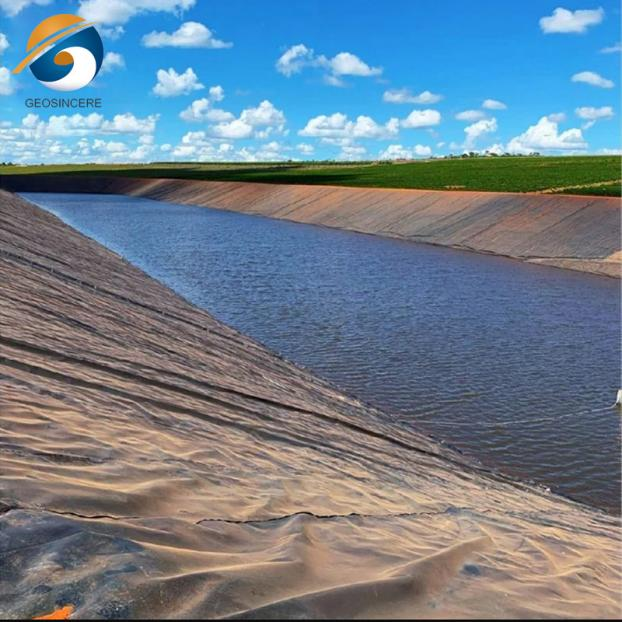
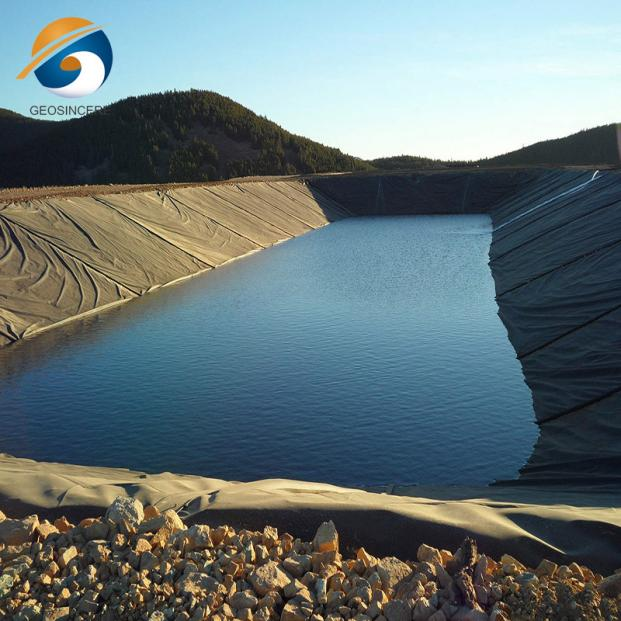
- Dam and Levee Linings: Geomembranes are used to line dams and levees to prevent seepage and maintain their structural integrity. By acting as a barrier, geomembranes help to prevent water from infiltrating into the surrounding soil, protecting the stability and performance of the dam or levee.
- Stormwater Management: Geomembranes can be utilized in stormwater management systems, including detention ponds, retention basins, and stormwater channels. The geomembrane lining helps to control the flow and retention of stormwater, preventing infiltration into the ground and reducing the risk of flooding.
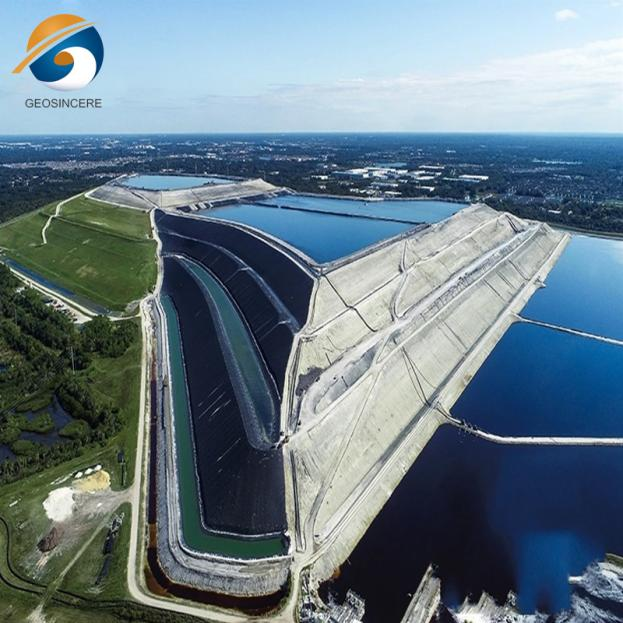
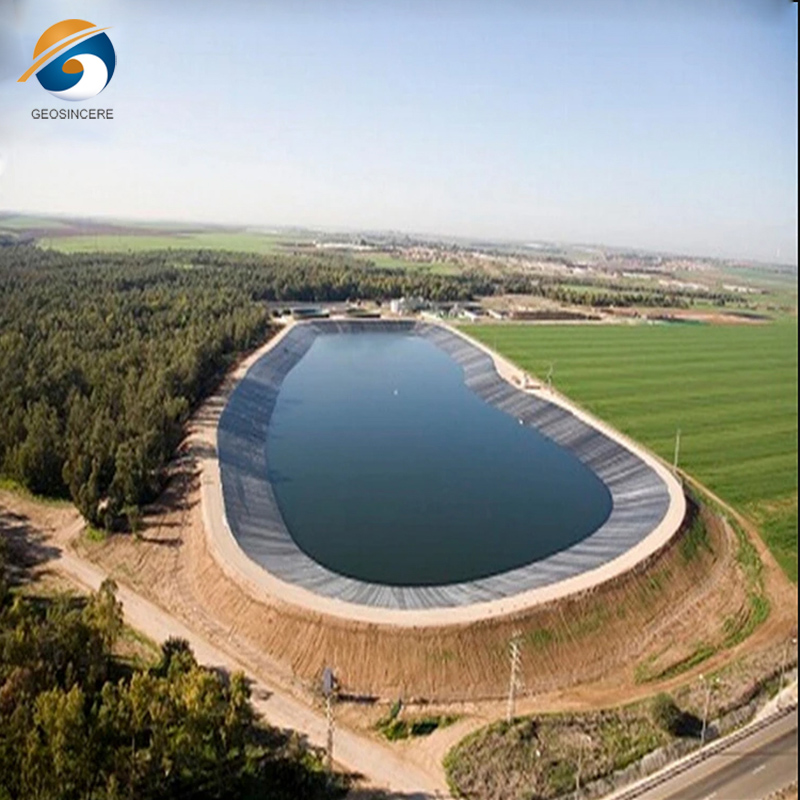
- Wastewater Treatment: Geomembranes are used in various wastewater treatment facilities, such as anaerobic digesters, lagoons, and wastewater storage tanks. The geomembrane lining helps to contain and manage wastewater, preventing contamination of surrounding soil and groundwater.
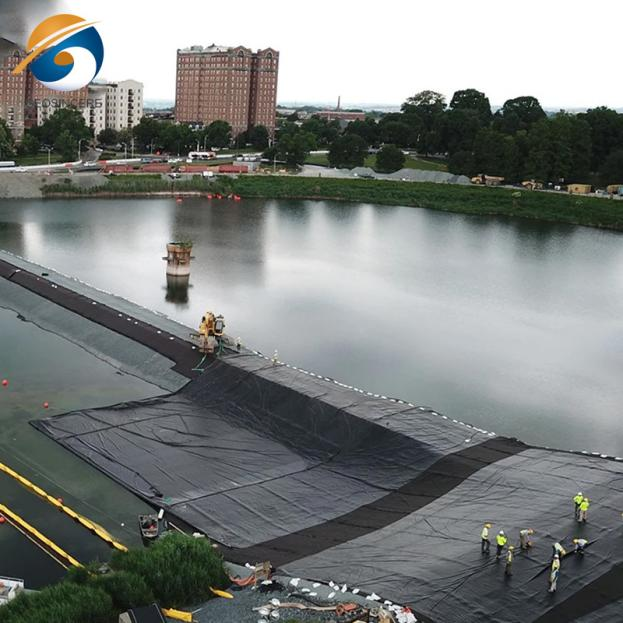
- Water Diversion and Control: Geomembranes can be employed in water diversion projects, such as canals or diversion channels, to control the flow of water and direct it to desired locations. The geomembrane lining helps to prevent water loss through seepage, ensuring efficient water diversion and management.
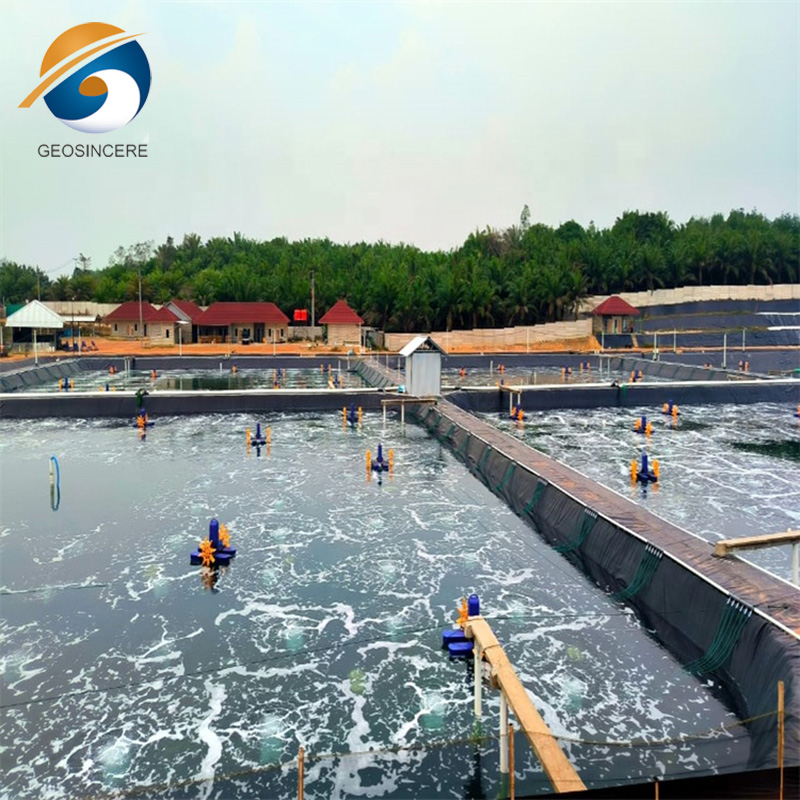
- Aquaculture and Fish Ponds: Geomembranes are used in aquaculture facilities and fish ponds to create a containment system for water and fish. The geomembrane lining helps to prevent seepage and maintain water levels, ensuring a controlled environment for fish farming and aquaculture operations.

