Case Details
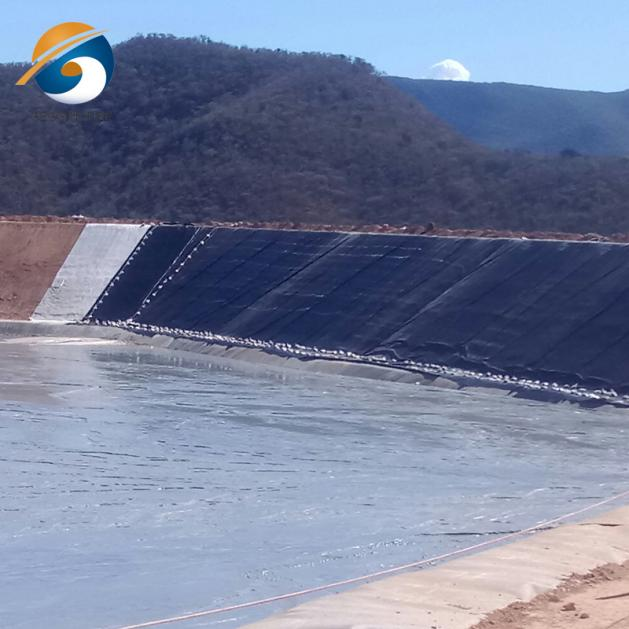
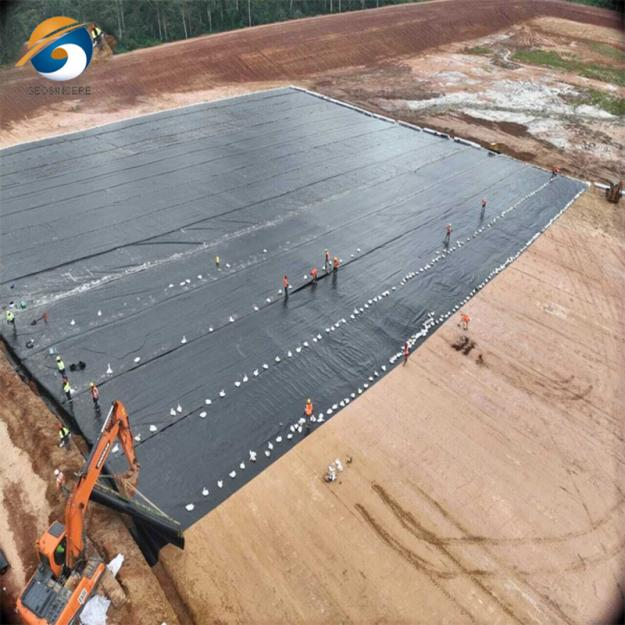
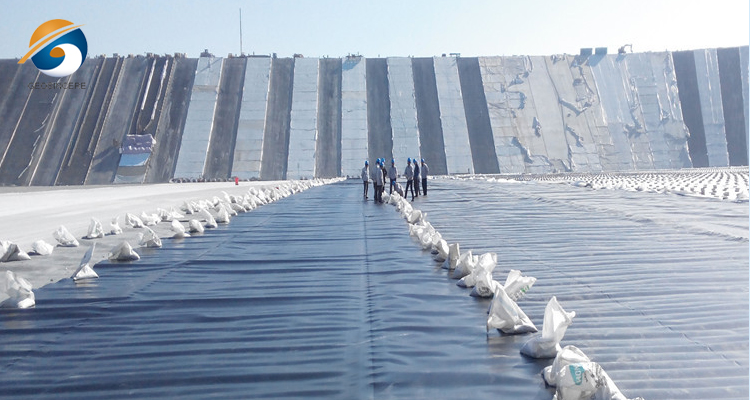
Geomembranes are extensively used in mining applications to provide effective containment and environmental protection.Control water and chemical flows, prevent contamination of soil and groundwater, and facilitate the safe storage of mining waste. In mining operations, geomembranes serve as critical components for various purposes, including tailings storage facilities, heap leach pads, and solution ponds.
Geomembranes in mining applications are designed to withstand the harsh conditions associated with mining operations. They exhibit high chemical resistance to withstand the potentially corrosive nature of the tailings and other mining-related liquids. Additionally, they possess excellent puncture and tear resistance to withstand the physical stresses imposed by the stored materials.
By effectively containing the tailings and preventing their migration, geomembranes contribute to minimizing the potential environmental impact of mining operations. They help protect nearby ecosystems and water sources from contamination, ensuring the long-term sustainability of mining activities.
Mining Geomembrane Applications
- Tailings Management: One of the primary applications of geomembranes in mining is for tailings management. Tailings are the waste materials left over after the desired minerals have been extracted from the ore. Geomembranes are used to create impoundments or containment structures to store and manage these tailings, preventing their release into the environment.
2.Heap Leach Pads: In some mining operations, a technique called heap leaching is used to extract valuable minerals from low-grade ores. Geomembranes are employed to line the heap leach pads, preventing the leachate containing dissolved metals and chemicals from contaminating the underlying soil and groundwater.
- Evaporation Ponds: In certain mining processes, such as the extraction of salts or minerals from brine solutions, evaporation ponds are used to concentrate the solution by evaporating water. Geomembranes are utilized as liners for these ponds to prevent seepage and control the concentration process.
- Acid Mine Drainage Control: Acid mine drainage (AMD) is a significant environmental concern in mining. It occurs when sulfide minerals in the mined rock are exposed to air and water, leading to the formation of acidic runoff. Geomembranes are used in AMD control systems to prevent the contact of water with sulfide-rich materials, thereby minimizing the generation of acidic drainage.
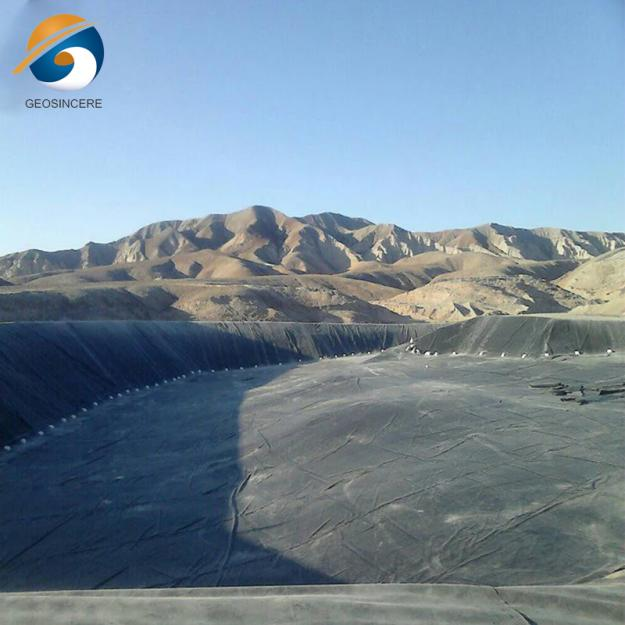
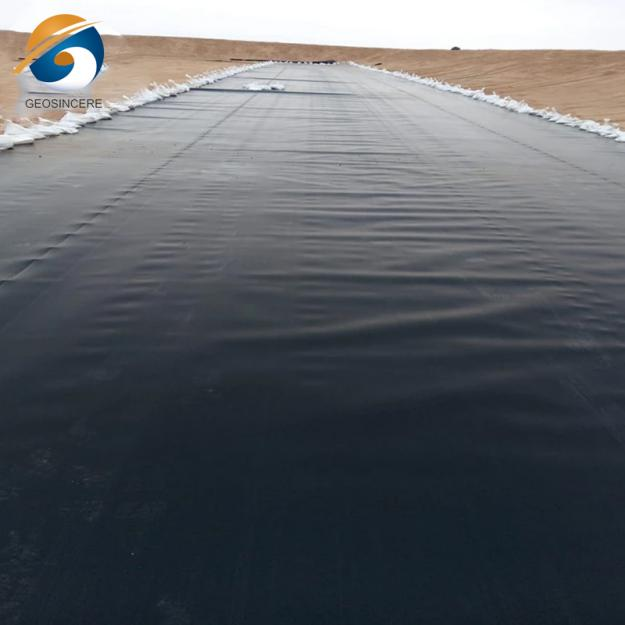
- Water Storage and Containment: Mining operations often require the storage and containment of water for various purposes, such as dust suppression, processing, and site rehabilitation. Geomembranes are utilized to line water storage ponds, reservoirs, and containment structures to prevent seepage and ensure the integrity of water storage systems.
- Containment of Hazardous Materials: Mining operations often involve the handling and storage of hazardous materials such as chemicals and reagents. Geomembranes are utilized to construct secondary containment systems, such as storage ponds or tanks, to prevent leaks or spills from contaminating the surrounding environment.
- Dust Control: Mining activities can generate significant amounts of dust, which can have adverse effects on air quality and human health. Geomembranes are sometimes used as dust control barriers in mining areas to reduce the dispersion of dust particles into the atmosphere.
- Rehabilitation and Closure: When mining operations reach the end of their life cycle, proper rehabilitation and closure of the site are essential. Geomembranes play a role in the closure process by providing a final cover system that isolates the mined area from the environment, minimizing the long-term release of contaminants.