Case Details
In landfill sites,the geomembrane is installed as a lining system, forming a continuous barrier over the entire landfill area. geomembranes serve as impermeable barriers that prevent the migration of leachate, which is the liquid generated from waste decomposition, into the surrounding soil and groundwater that effectively isolates the waste from the environment. It also helps to minimize the release of harmful gases, such as methane, produced by the decomposing waste. By containing these gases, the geomembrane contributes to reducing the environmental impact of the landfill.
In addition to its containment function, geomembranes provide durability and long-term stability in harsh landfill environments. They exhibit resistance to punctures, tears, and chemical degradation, ensuring the integrity of the containment system over the landfill's lifespan.
Overall, the use of geomembranes in landfill applications plays a vital role in safeguarding the environment and protecting human health by effectively containing and managing waste materials, preventing soil and groundwater pollution, and minimizing the release of harmful gases.
Landfill Geomembrane Applications
Landfill geomembranes are widely used in waste management practices to effectively contain and control the migration of leachate and gas from landfills. Here are some common applications of landfill geomembranes:
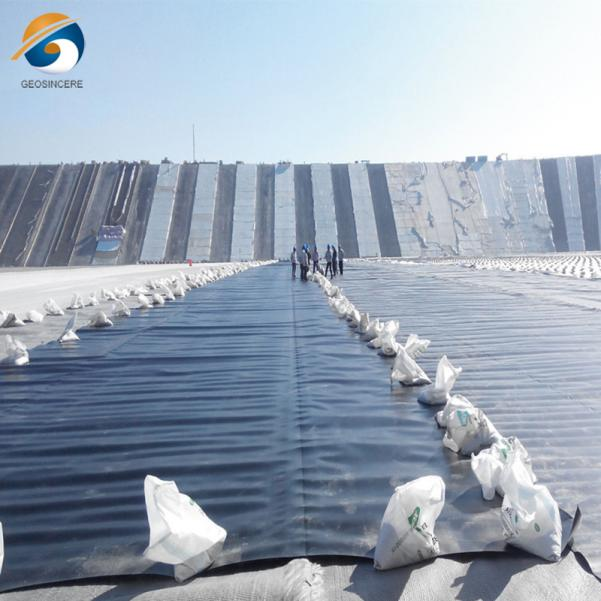
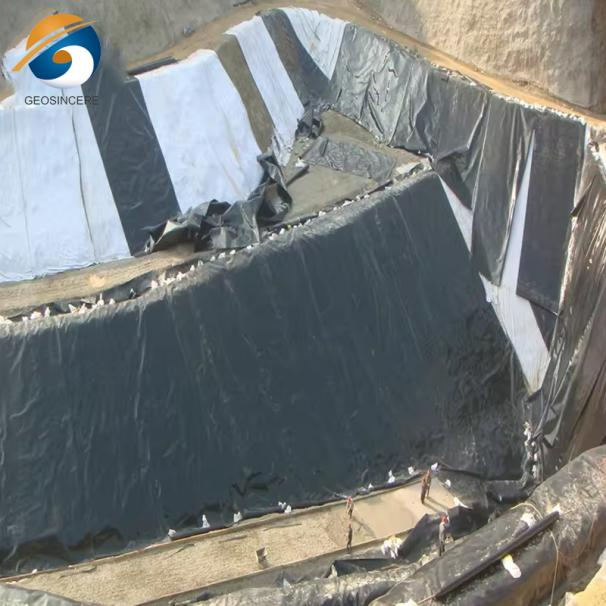
- Base Liner: Geomembranes are used as a base liner in landfills to create a barrier between the waste and the underlying soil. The geomembrane prevents the leachate, which is the liquid that percolates through the waste, from infiltrating into the soil and potentially contaminating groundwater.
- Cover System: Geomembranes are used in landfill cover systems to minimize the infiltration of rainwater into the waste and control the release of gas generated by the decomposition of organic materials. The geomembrane acts as a barrier, preventing the escape of gas and minimizing water infiltration.
- Secondary Containment: Landfills often require secondary containment systems to prevent the migration of waste and leachate in the event of a liner breach or failure. Geomembranes are used as part of these containment systems to contain and isolate the waste, minimizing the potential for environmental contamination.
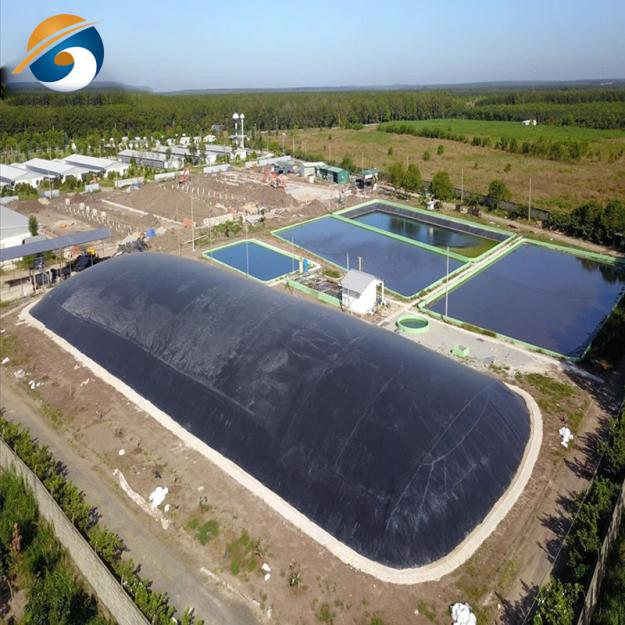
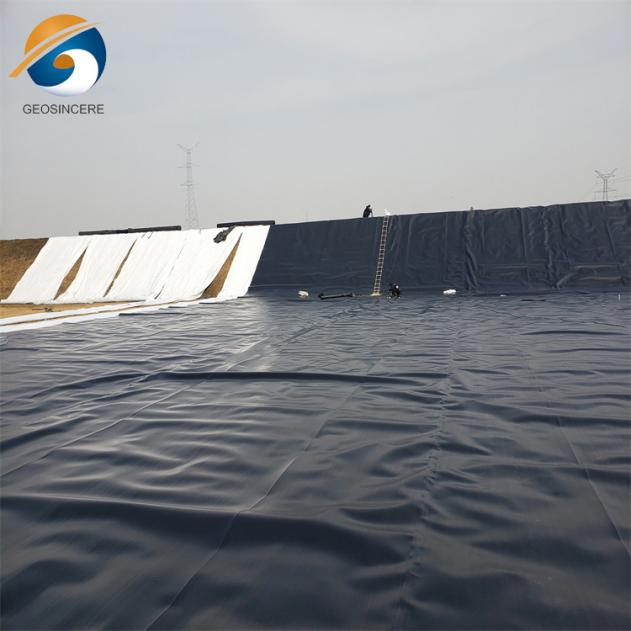
- Gas Management:Landfills produce various gases, including methane, carbon dioxide, and volatile organic compounds. Geomembranes can be designed to incorporate gas collection systems. The geomembrane ensures that the gases are directed to the collection system, minimizing their release into the atmosphere.They help mitigate potential environmental and safety concerns associated with landfill gas emissions
- Temporary Covers: Geomembranes can be used as temporary covers during waste placement operations in active landfill cells. These covers help minimize odors, control dust, and prevent the infiltration of rainwater, thereby reducing the potential for leachate generation.

