In recent years, there has been a significant focus on the environmental impact of construction materials, including geomembranes. The extraction of raw materials, manufacturing processes, and disposal practices associated with these materials have raised concerns due to their potential contribution to environmental degradation. In light of these concerns, the concept of sustainable development has gained prominence as a means to address and mitigate these environmental impacts.
Advancements in manufacturing technologies and material science have contributed to the continuous improvement of geosynthetic membranes. GEOSINCERE are developing innovative products with enhanced properties, including increased puncture resistance, improved flexibility, and higher tensile strength. These advancements enable the membranes to withstand harsh environmental conditions and provide long-lasting performance.
The geomembrane industry has made significant strides in achieving sustainable development, reaping several benefits for both the environment and the economy. With its versatile applications and environmentally friendly characteristics, geomembranes have emerged as a crucial component in various sectors, including waste management, water containment, mining, and agriculture.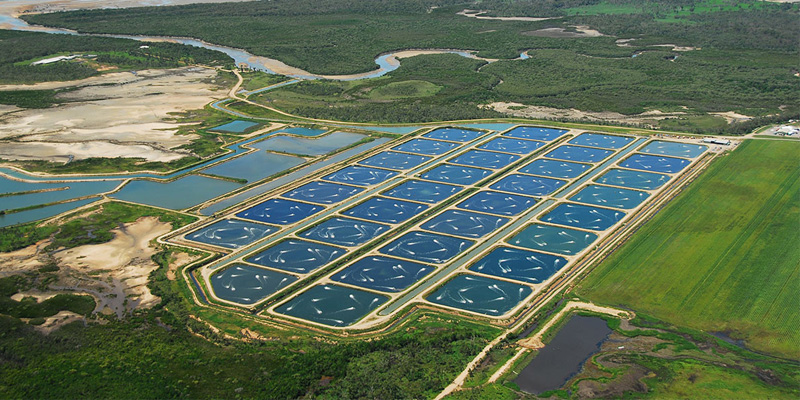
The geomembrane industry contributes significantly to environmental protection. These membranes effectively prevent the migration of fluids and contaminants, thereby safeguarding soil and groundwater quality. By providing impermeable barriers, geomembranes are instrumental in containing hazardous waste, preventing soil erosion, and controlling the spread of pollutants. They also play a vital role in the construction of landfills, ensuring proper waste containment and minimizing environmental impact. The use of geomembranes in environmental engineering projects promotes sustainable practices and helps preserve ecological balance.
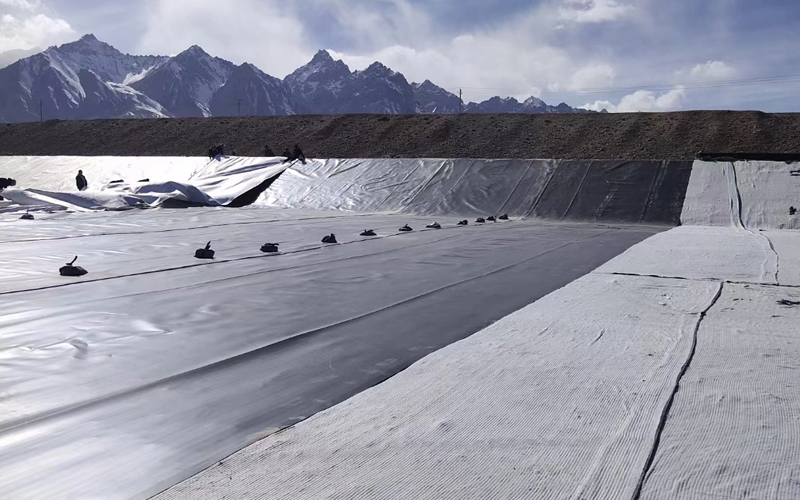
The development of the geomembrane industry has substantial economic benefits. These membranes offer cost-effective solutions for various engineering applications. They are durable and require minimal maintenance, resulting in long-term cost savings. Geomembranes also enable the construction of infrastructure projects in challenging terrains, reducing the need for extensive excavation and earthwork. This leads to significant time and cost efficiencies in project execution.
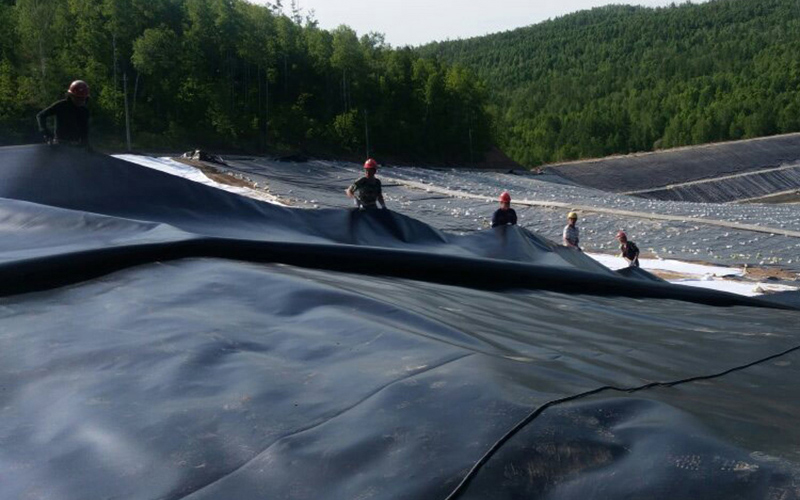
Geomembranes provide numerous advantages for infrastructure development. They are widely used in the construction of reservoirs, canals, and dams, where they ensure efficient water storage and management. These membranes also play a crucial role in the transportation sector by stabilizing road embankments and preventing soil erosion along highways and railways. Furthermore, geomembranes are essential in the building of tunnels and underground structures, where they provide waterproofing and protection against groundwater infiltration. The use of geomembranes enhances the longevity and performance of infrastructure, leading to safer and more reliable systems.
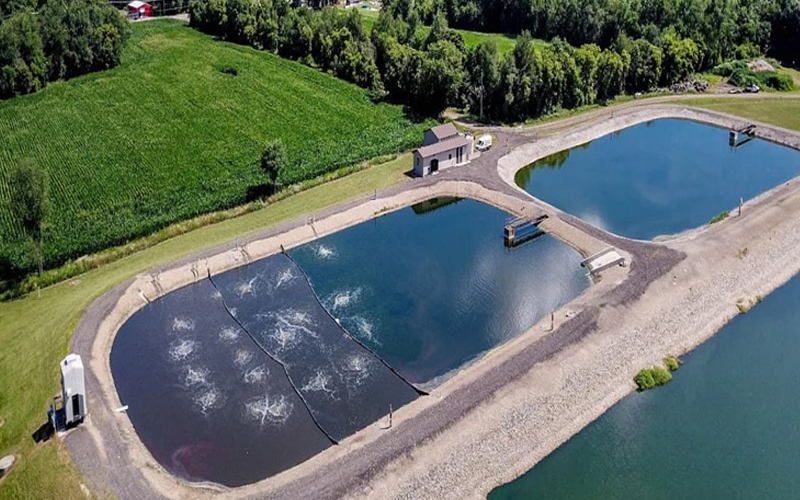
The geomembrane industry contributes to improved safety and risk mitigation in engineering projects. By preventing the migration of fluids and contaminants, these membranes help mitigate the risks associated with soil and groundwater contamination. They provide reliable barriers that protect against leaks, seepage, and the spread of pollutants. Geomembranes also enhance the stability of slopes and embankments, reducing the risk of landslides and soil failures. The use of these membranes in containment structures such as landfills minimizes the potential for environmental hazards and ensures the safety of nearby communities.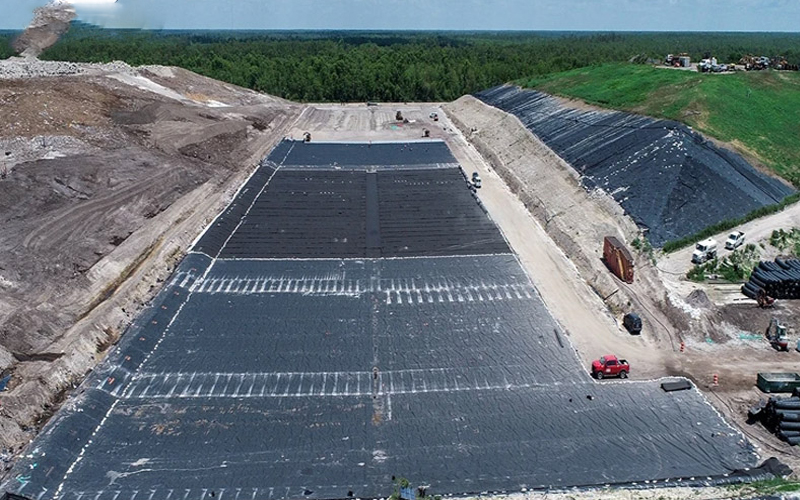
In summary, the sustained development of the geomembrane industry brings environmental protection, economic benefits, improved infrastructure, and enhanced safety and risk mitigation. These positive impacts make geomembranes a valuable and indispensable component in various civil and environmental engineering projects.
Through its eco-friendly attributes, effective waste management, resource conservation, and economic growth, geomembranes contribute to a greener future. As the industry continues to innovate and embrace sustainable practices, it holds the potential to create a lasting positive impact on the environment while fostering economic prosperity. Embracing the principles of sustainability is not just a necessity but a responsibility, and the geomembrane industry is at the forefront of this transformative journey.

