As a senior foreign trade operations specialist at Shandong Geosino New Material Co., Ltd. (GEOSINCERE Geosynthetics), I have worked closely with mining operators, EPC contractors, and industrial facility managers across multiple continents. Reliable containment is non-negotiable for tailings storage facilities (TSFs) and industrial reservoirs. Geomembrane dam liners, particularly high-density polyethylene HDPE liner systems, form the primary barrier that protects groundwater, recovers process water, and supports regulatory compliance. This article outlines practical solutions grounded in established industry data and material performance standards.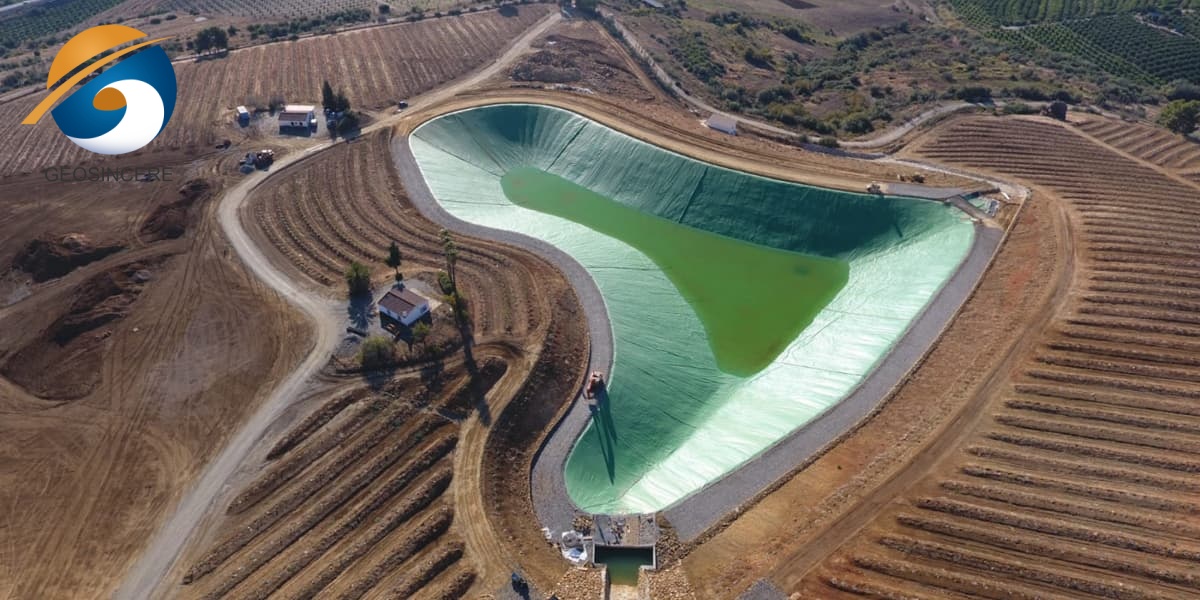
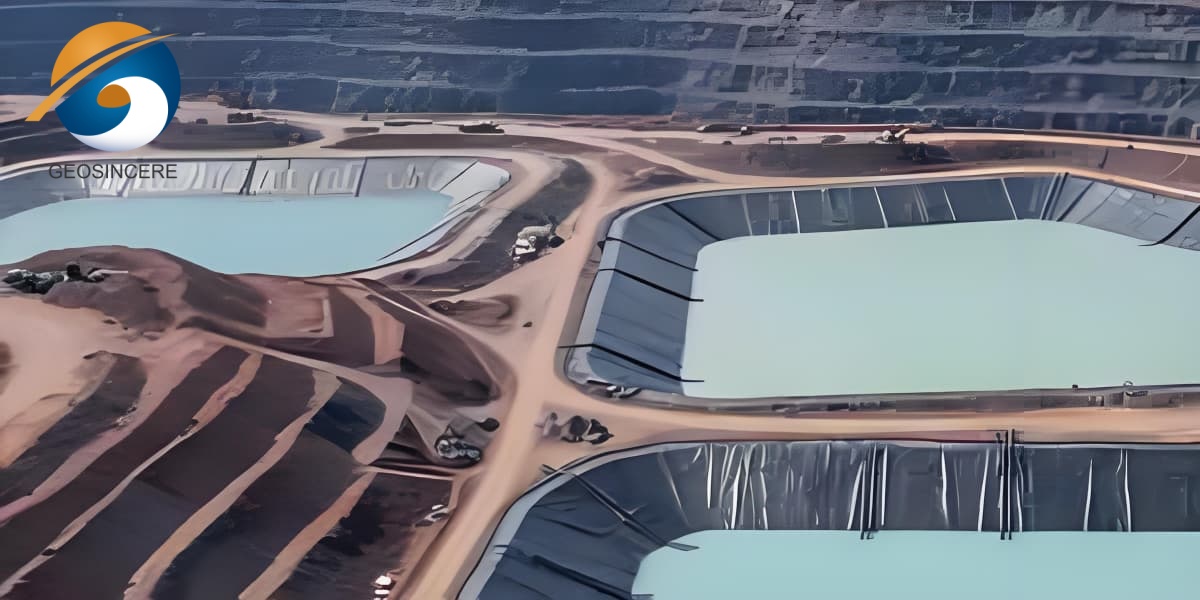
Mining generates approximately 13 to 14 billion tonnes of tailings annually worldwide. These fine-grained residues, often mixed with process water containing metals, acids, or reagents such as cyanide, are typically stored in engineered Tailings Storage Facilities (TSFs) or ponds. Industrial reservoirs serve similar purposes for process water, pregnant leach solutions (PLS), evaporation ponds, and secondary containment.
Without an effective liner, seepage can contaminate aquifers and surface water. Historical records document 257 TSF failures since 1915, releasing roughly 250 million cubic metres of material, causing fatalities, displacement, and long-term environmental damage. Modern design standards, including the Global Industry Standard on Tailings Management (GISTM), emphasise robust basal lining systems to minimise these risks.
The worldwide dam liner market reached USD 1.42 billion in 2025 and is projected to grow to USD 2.21 billion by 2032 at a compound annual growth rate of approximately 6.54 percent. Mining waste management accounts for a meaningful share—around 15 percent, or roughly USD 215 million in 2025—driven by stricter environmental rules and the expansion of copper, gold, lithium, and other critical-mineral projects.
A more focused segment, the tailings storage geomembrane liner market, stood at USD 842.5 million in 2025 and is expected to reach USD 1.3 billion by 2032 (CAGR about 6.45 percent). High-density polyethylene dominates this segment with roughly 65 percent share because of its chemical resistance, mechanical strength, and proven field performance. Broader geomembrane markets show similar trends, with mining applications frequently registering the highest growth rates among end uses.
Asia-Pacific leads regional demand, followed by Latin America and North America, reflecting intensive mining activity and infrastructure investment. Key drivers include regulatory pressure after high-profile failures, the shift toward larger, lower-grade ore bodies that generate more tailings, and the need for water recovery in arid regions.
HDPE remains the material of choice for the majority of mining TSF and industrial reservoir projects. Typical specifications conforming to GRI-GM13 include:
- Thickness: 1.5 mm (60 mil) for process-water ponds of moderate depth and chemistry; 2.0 mm (80 mil) as the standard for most tailings and PLS applications; 2.5 mm (100 mil) for deeper facilities or highly aggressive chemistry.
- Density: ≥ 0.940 g/cm³.
- Tensile properties (ASTM D6693): yield and break strengths scaling with thickness (for example, break strengths commonly exceeding 20–30 kN/m for 1.5–2.0 mm sheets).
- Elongation at break: ≥ 700 percent.
- Puncture resistance (ASTM D4833): typically ≥ 300–500 N depending on thickness.
- Carbon black content: 2.0–3.0 percent for UV protection.
- Oxidative Induction Time (OIT): ≥ 100 minutes (standard); premium grades reach ≥ 150 minutes for aggressive chemical environments.
- Stress-crack resistance (NCTL): ≥ 500 hours.
These properties deliver long-term durability under exposure to sulfuric acid, cyanide solutions, metal salts, and elevated temperatures. LLDPE is sometimes selected where high elongation is needed to accommodate differential settlement, while PVC or other polymers may appear in less demanding industrial reservoirs. For mining, however, HDPE’s balance of chemical inertness and mechanical robustness is preferred.
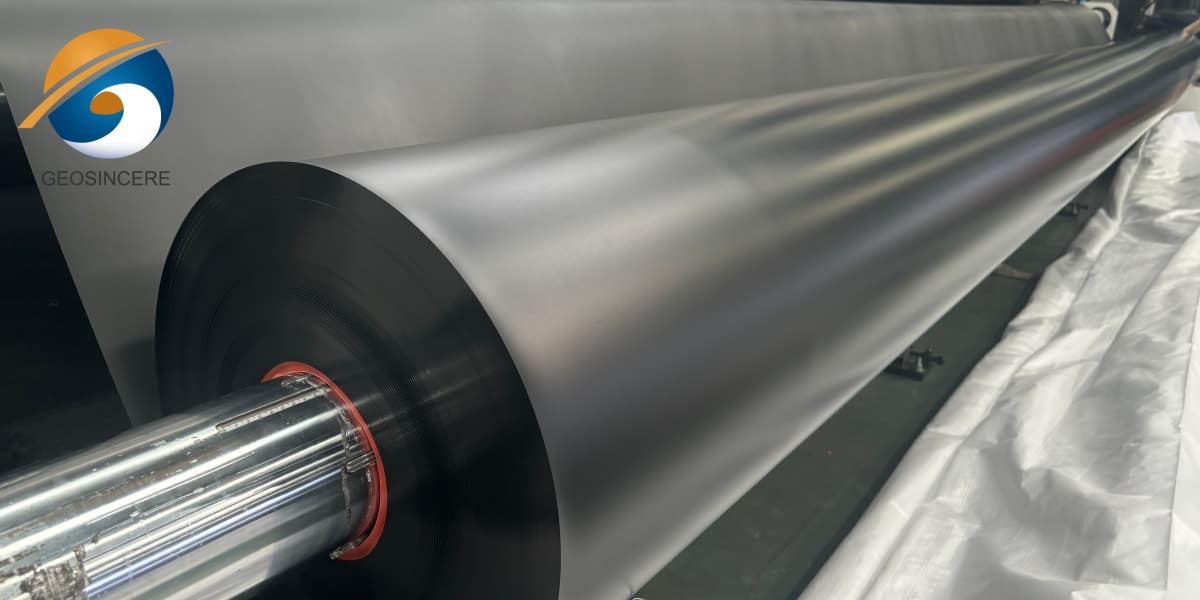
At GEOSINCERE Geosynthetics we manufacture smooth and textured HDPE geomembranes in widths up to 7–8 metres, reducing the number of field seams. Textured surfaces improve interface friction on slopes, an important consideration for embankment faces and steep-sided reservoirs.
Effective containment is a system, not a single sheet. A typical modern TSF basal lining system includes:
- Prepared subgrade free of sharp stones and properly compacted.
- Non-woven geotextile cushion (300–800 g/m²) to protect against puncture.
- Primary HDPE geomembrane (usually 1.5–2.0 mm).
- Optional leak-detection layer (geocomposite or granular drainage) and secondary liner for high-risk or regulated sites.
- Protective cover or drainage layer above the liner where required.
For industrial reservoirs the same principles apply, often simplified when the stored fluid is less aggressive. Double-liner systems with interstitial monitoring are increasingly specified for PLS ponds and facilities handling low-pH solutions.
Installation quality is decisive. Studies of electrical leak-location surveys on Chilean mining ponds have shown average leak densities around 7 leaks per hectare across millions of square metres surveyed, with lower rates when rigorous construction quality assurance (CQA) is applied. Proper welding (hot-wedge or extrusion), non-destructive testing (air-channel, vacuum-box, spark testing), and independent third-party inspection reduce defects dramatically.
Service life depends on exposure conditions. Exposed liners face UV, thermal cycling, and wave action; covered liners experience less oxidative stress but must resist point loads and settlement. Accelerated ageing tests and field extractions indicate that properly formulated HDPE can retain useful properties for decades under typical mining conditions, provided the formulation includes adequate antioxidants and carbon black.
Chemical compatibility must be verified for each project. HDPE performs well against the acids and reagents common in copper, gold, and base-metal processing, yet elevated temperatures or unusual solvent mixtures may require specialised resins (for example, PE-RT grades). Geosino routinely supplies material data sheets and can arrange immersion testing when project-specific fluids are provided.
Cost remains a practical factor. Material prices (FOB) for 1.5 mm HDPE typically fall in the USD 5–8 per m² range and for 2.0 mm in the USD 8–12 per m² range, depending on resin grade, additive package, and order volume. Installed costs for a 100 000 m² pond with moderate access commonly range from USD 18–30 per m² for 2.0 mm systems, rising in remote locations or when double liners and extensive protection layers are required. These figures represent a small fraction of overall TSF capital cost yet determine long-term environmental and operational risk.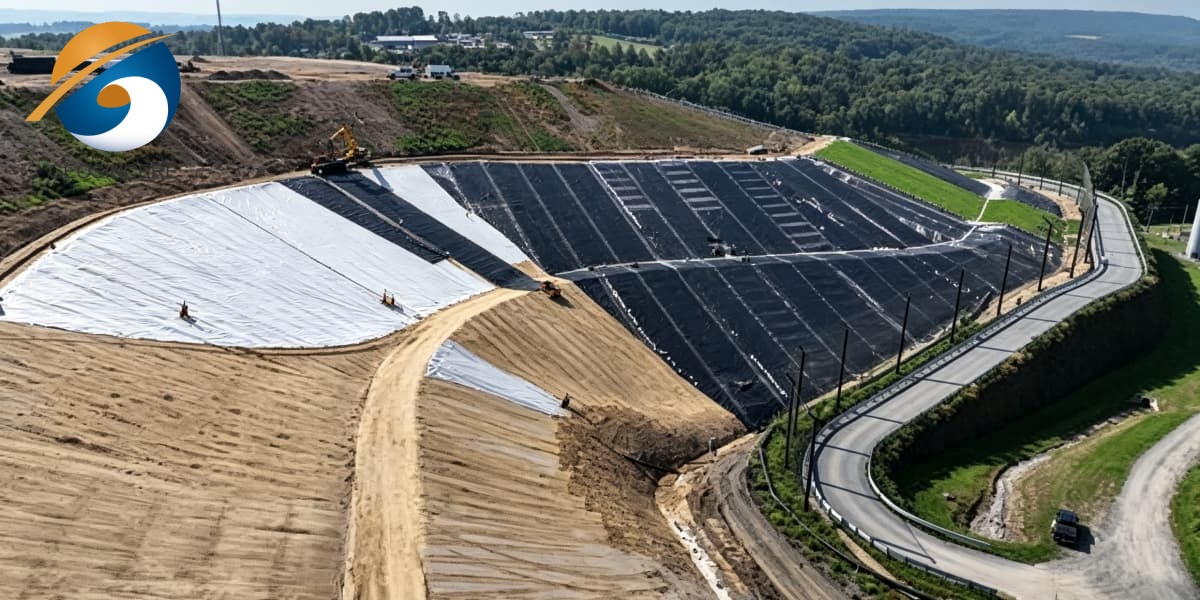
Regulators worldwide increasingly require impermeable liners for new and expanded TSFs. European Mine Waste Directive 2006/21/EC, various national standards in the Americas and Asia, and the GISTM all push operators toward geomembrane-based solutions. In many jurisdictions, double liners with leak detection are mandated for facilities storing potentially toxic materials.
From a sustainability perspective, effective lining enables higher water recovery—often 70–90 percent of process water can be returned to the plant when seepage is controlled—reducing freshwater withdrawal. It also supports progressive rehabilitation and safer closure by limiting long-term contaminant migration.
When specifying a dam liner system, project teams should:
- Confirm chemical compatibility and select thickness and OIT accordingly.
- Require GRI-GM13 (or equivalent) certification and third-party mill certificates.
- Design for constructability: wider rolls, adequate anchor trenches, and accessible welding conditions.
- Implement a full CQA programme covering subgrade, panel placement, welding, and testing.
- Consider long-term monitoring provisions (leak detection, survey monuments, piezometers).
- Engage experienced installers familiar with mining-site logistics and remote conditions.
GEOSINCERE Geosynthetics supplies HDPE geomembranes manufactured to international standards, with technical support for material selection, welding procedures, and quality documentation. We work with clients from early design through procurement and can coordinate with certified installation partners when required.
Demand for reliable dam liner solutions will continue to rise as mining expands to meet energy-transition metal needs and as regulators tighten containment requirements. Advances in resin technology, wider panels, conductive liners for enhanced leak detection, and improved installation methods will further strengthen performance. For operators and engineers, the priority remains selecting proven materials, applying rigorous design and construction practices, and maintaining the barrier integrity over the full life of the facility.
In summary, Shandong Geosino New Material Co., Ltd. (GEOSINCERE Geosynthetics) HDPE geomembrane dam liners provide a technically sound, economically rational, and environmentally responsible solution for mining tailings ponds and industrial reservoirs. When correctly specified and installed, they deliver the impermeability and durability needed to protect both the environment and the long-term viability of the operation.