Whether you are designing a tranquil backyard water garden or managing a large-scale agricultural reservoir, selecting the ideal lining material is crucial for long-term water retention and structural integrity. GEOSINCERE Geosynthetics high-quality lake liners for sale forms an impermeable barrier that prevents seepage, resists harsh weather conditions, and protects aquatic life from soil contaminants. In this comprehensive 2026 buying guide and review roundup, we evaluate top-rated options—ranging from ultra-durable EPDM rubbers to heavy-duty HDPE geomembrane—to help you discover the perfect geomembrane liner tailored to your property size, regional climate, and budget. 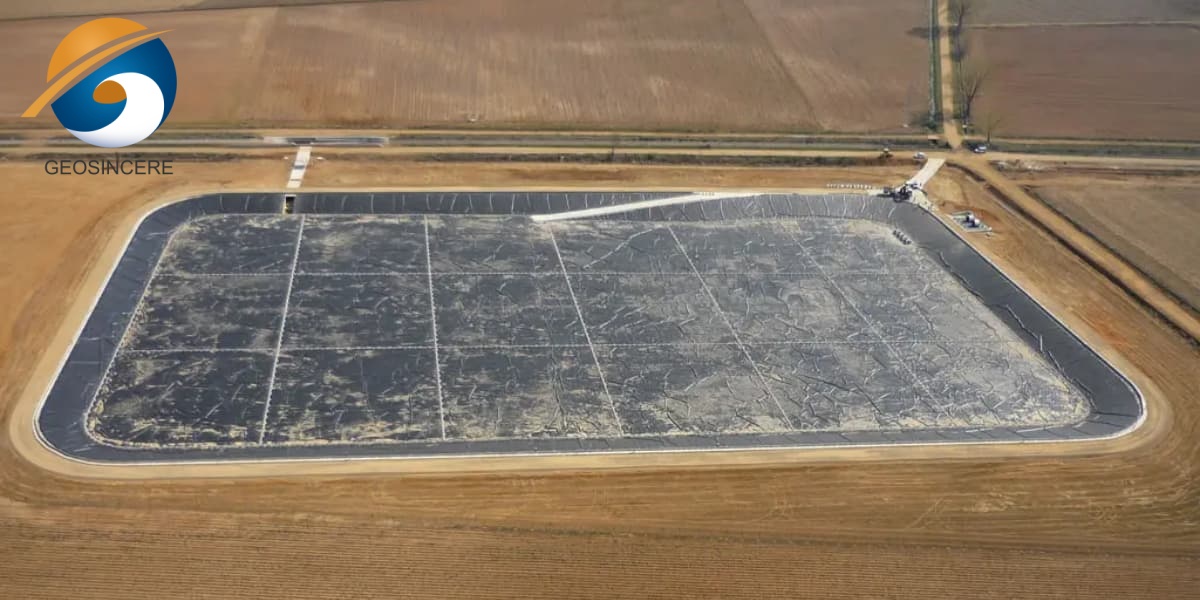
Lake liners for sale are engineered waterproofing membranes used to reduce water seepage in artificial lakes, reservoirs, recreational lakes, irrigation ponds, aquaculture facilities, and other water-storage structures. Unlike ordinary plastic sheets, engineered geomembranes are manufactured with controlled thickness, mechanical properties, UV resistance, and chemical resistance for long-term containment.
Among the available materials, HDPE geomembrane is widely used for large water-containment projects because it provides low permeability, high tensile strength, good puncture resistance, and strong resistance to many chemicals and environmental conditions.
GRI-GM13 is a widely referenced specification for HDPE geomembranes. It covers smooth and textured HDPE geomembranes with thicknesses from 0.75 mm to 3.0 mm and establishes minimum requirements for important properties and manufacturing quality control.
For buyers searching for Lake Liners for Sale, the right product should therefore be selected according to lake size, subgrade conditions, slope geometry, UV exposure, water chemistry, installation method, and expected service life.
The primary purpose of a lake liner is to create a low-permeability barrier between stored water and the underlying soil.
Natural soil can allow significant water movement depending on its permeability and geological structure. A properly designed geomembrane lining system can substantially reduce seepage and help maintain the intended water level.
This is particularly important for:
- Artificial lakes
- Irrigation reservoirs
- Farm ponds
- Aquaculture ponds
- Decorative lakes
- Industrial water-storage ponds
- Mining and process-water ponds
A lined lake can help operators maintain more predictable water levels and reduce water losses caused by seepage. For agricultural and industrial projects, this can make stored water easier to manage.
Quality geomembranes can be formulated with UV stabilizers and carbon black to improve resistance to outdoor exposure. Proper material selection is particularly important when the liner will remain exposed to sunlight.
The following seven lake-liner options represent different material configurations and project requirements rather than a universal ranking. The appropriate choice depends on the engineering conditions of the individual project.
A 1.0 mm HDPE geomembrane is a practical option for medium-duty water containment where the subgrade is properly prepared.
The smooth surface allows relatively straightforward deployment and thermal welding. It can be used for artificial lakes, agricultural ponds, irrigation reservoirs, and some aquaculture applications.
A 1.0 mm liner is approximately equivalent to 40 mils.
Best for:
- Medium-sized artificial lakes
- Agricultural ponds
- Irrigation storage
- Relatively stable subgrades
For exposed applications, buyers should verify resin quality, carbon-black dispersion, thickness, tensile properties, puncture resistance, and UV-performance requirements.
For larger or more demanding lake projects, 1.5 mm HDPE geomembrane provides a stronger barrier with greater material thickness.
BPM's published engineering guide identifies 1.5 mm HDPE as a common choice for commercial pond applications and highlights its resistance to puncture, UV exposure, and chemical conditions.
Best for:
- Large artificial lakes
- Commercial aquaculture
- Irrigation reservoirs
- Long-term water-storage projects
- Projects with greater mechanical risk
For large lakes, wider rolls can also help reduce the number of field seams and potentially simplify installation.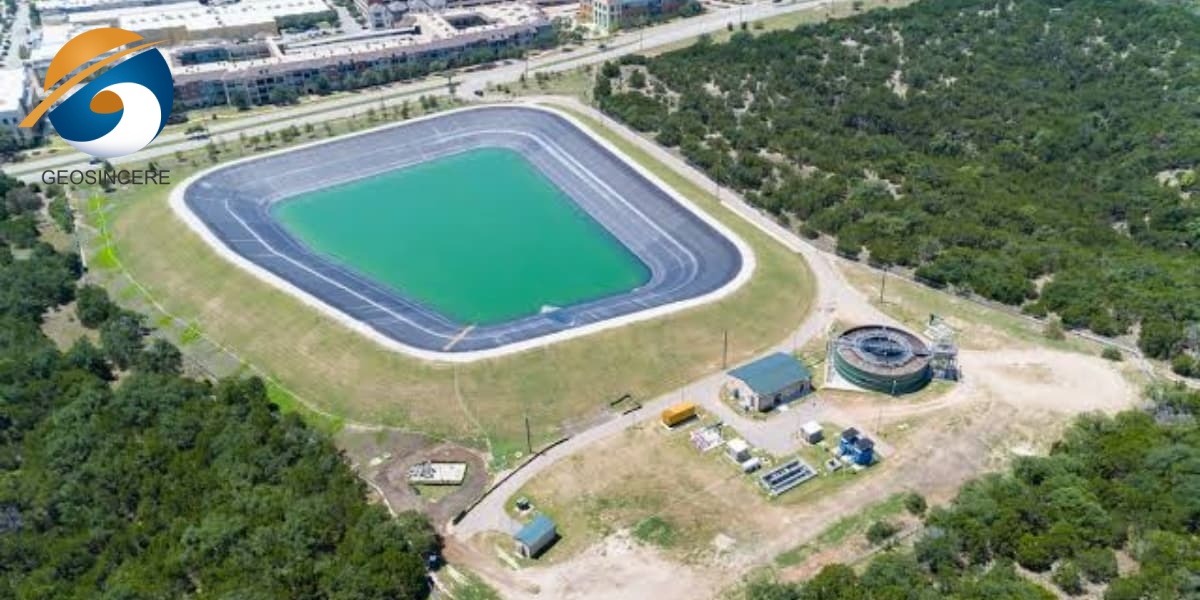
A 2.0 mm HDPE geomembrane is designed for projects where increased mechanical robustness is important.
It can be considered for large reservoirs, industrial water ponds, wastewater ponds, mining-related water containment, and sites where the liner may experience greater installation or operational stress.
The thicker material generally provides greater resistance to mechanical damage than thinner membranes, although actual performance depends on the complete formulation and test results.
Best for:
- Large reservoirs
- Industrial ponds
- Wastewater containment
- High-risk subgrade conditions
- Heavy-duty water containment
For procurement, buyers should request complete test reports rather than selecting the liner based on thickness alone.
Smooth and textured geomembranes serve different purposes.
Textured HDPE geomembrane provides increased interface friction and can be useful on sloped surfaces where the liner must interact with adjacent geosynthetic or soil layers.
For an artificial lake with relatively steep side slopes, textured material may help improve interface stability.
Best for:
- Steep lake slopes
- Reservoir side slopes
- Composite geosynthetic systems
- Applications requiring increased interface friction
Smooth geomembrane can remain more suitable for flat bottoms or areas where easy deployment and welding are priorities.
LLDPE geomembrane is another polyethylene option for lake lining.
Compared with conventional HDPE, LLDPE generally provides greater flexibility and elongation, which can be useful where the liner needs to accommodate more substrate movement or irregular geometry.
The choice between HDPE and LLDPE should be based on project-specific mechanical requirements, climate, subgrade movement, installation conditions, and design life.
Best for:
- Irregular lake geometry
- Sites with potential subgrade movement
- Projects requiring greater flexibility
- Certain cold-climate applications
BPM's technical comparison notes that polyethylene selection should consider density, crystallinity, puncture resistance, UV stability, and environmental conditions rather than simply comparing price.
PVC geomembranes are flexible membranes that can be used in certain pond and lake applications.
One advantage of PVC is its flexibility, which can make it easier to conform to complicated shapes. However, PVC and HDPE have different material characteristics, durability considerations, joining methods, and chemical properties.
Therefore, buyers should compare the complete specifications rather than assuming that one material is suitable for every lake.
Best for:
- Smaller artificial lakes
- Decorative water features
- Projects requiring high flexibility
- Complex lake geometries
For long-term outdoor applications, UV exposure and the specific PVC formulation should be carefully evaluated.
Reinforced geomembranes combine a polymer membrane with a reinforcing layer to improve dimensional stability and mechanical characteristics.
They may be considered for applications where handling, dimensional stability, or specific reinforcement requirements are important.
Best for:
- Specialized lake projects
- Areas requiring reinforced membrane structures
- Certain aquaculture applications
- Projects with customized engineering requirements
However, reinforced products should be selected according to the manufacturer's complete technical data rather than simply assuming that reinforcement automatically makes a product better for every application.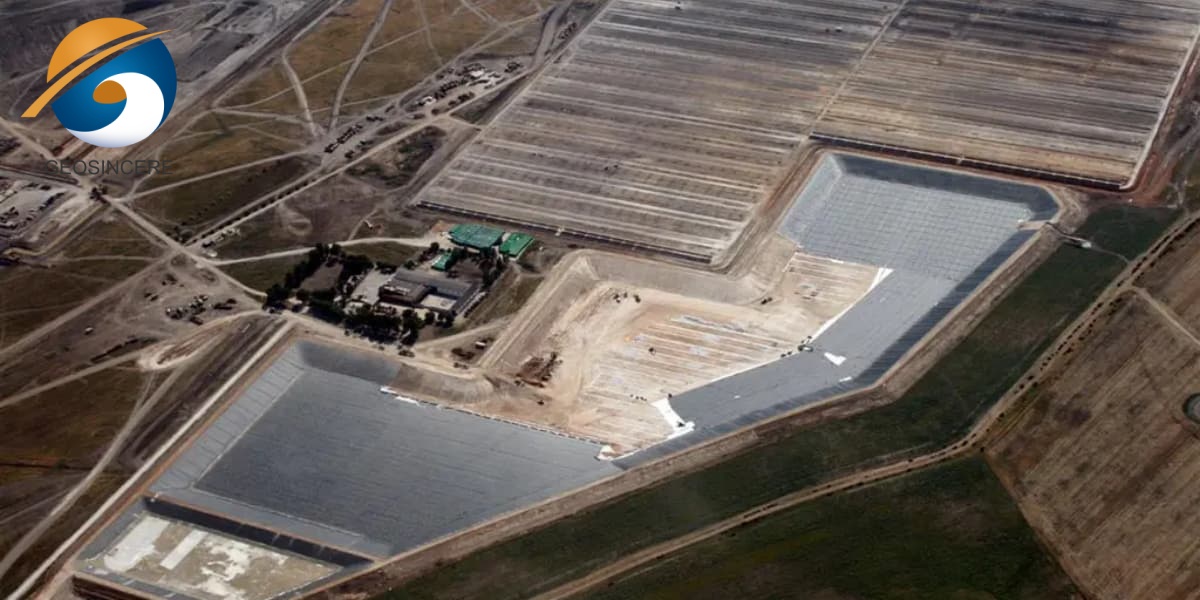
Thickness should be determined according to lake size, subgrade conditions, slope geometry, installation method, and expected mechanical loading.
As a general starting point:
Application Possible Thickness Range
Small decorative pond 0.75–1.0 mm
Agricultural pond 1.0–1.5 mm
Large artificial lake 1.5–2.0 mm
Heavy-duty water containment 2.0–3.0 mm
These ranges are guidelines rather than universal specifications. Engineering design should determine the final thickness.
When purchasing Lake Liners for Sale, ask the supplier for:
- Resin information
- Thickness test results
- Tensile properties
- Tear resistance
- Puncture resistance
- Carbon black content
- Oxidative induction time
- UV/weathering information
- Factory quality-control records
- Third-party test reports where required
For HDPE geomembrane, GRI-GM13 provides a useful reference for evaluating key material properties and manufacturing quality control.
Smooth geomembrane is generally easier to deploy on relatively flat areas.
Textured geomembrane can provide greater interface friction and may be more appropriate for steep slopes.
For a large lake, it is also possible to use different surface configurations in different areas of the lining system depending on the design.
Subgrade preparation is one of the most important parts of a successful lake-lining project.
The surface should be properly compacted and cleared of sharp stones, roots, debris, and other objects that could damage the membrane.
Where required, a protective geotextile layer can be installed beneath the geomembrane.
Before installation, the contractor should develop a panel layout that considers:
- Lake dimensions
- Slopes
- Anchor trenches
- Drainage structures
- Penetrations
- Welding locations
- Roll dimensions
Using wider geomembrane rolls can reduce the number of field seams. BPM's published product information, for example, lists wide-roll configurations for pond-liner applications.
HDPE geomembranes are commonly joined using thermal welding equipment.
After welding, seams should be inspected and tested according to the project's quality-control plan. Proper seam testing is essential because the liner system can fail at a poorly constructed joint even when the membrane itself meets the required specifications.
Before purchasing, buyers should provide the supplier with basic project information:
- Lake area: Total lining area in m²
- Lake depth: Maximum water depth
- Slope: Approximate side-slope ratio
- Subgrade: Soil, concrete, rock, or other material
- Water type: Irrigation, freshwater, wastewater, aquaculture, etc.
- Climate: UV exposure and temperature range
- Required thickness: If already specified
- Roll requirements: Preferred width and length
- Installation method: Contractor welding or supplier assistance
- Required standards: GRI-GM13, ASTM, ISO, or project-specific requirements
Providing these details allows suppliers to recommend a more appropriate liner rather than simply quoting the cheapest material.
Choosing Lake Liners for Sale should not be based on price per square meter alone.
For most large artificial lakes and water-storage projects, HDPE geomembrane is an important option because it combines low permeability with strong mechanical and environmental resistance. Different thicknesses, smooth or textured surfaces, and alternative materials such as LLDPE or PVC can be considered according to project requirements.
For procurement, buyers should compare material quality, thickness, mechanical properties, UV resistance, certification, roll dimensions, welding requirements, supplier quality control, and total installation cost.
A reliable lake-liner system is not simply a sheet placed over soil. It is a complete containment system that includes suitable membrane selection, subgrade preparation, protection layers, panel layout, seam welding, testing, and quality control.
For large projects, requesting samples and complete technical documentation before placing an order can help buyers verify whether the proposed Lake Liners for Sale meet the project's actual engineering requirements.
