A GEOSINCERE Geosynthetics geomembrana hdpe 2mm is one of the most widely considered heavy-duty liner solutions for projects where impermeability, chemical resistance, mechanical strength, and long-term durability are important. With a nominal thickness of 2.0 mm, the material is commonly specified for demanding applications such as mining containment, landfill cells, wastewater lagoons, tailings facilities, industrial ponds, and large water-storage projects.
However, selecting the right geomembrana in HDPE 2mm supplier is just as important as selecting the right thickness. Different manufacturers may offer different resin formulations, surface structures, quality-control procedures, roll dimensions, certifications, welding characteristics, and technical support.
This article reviews seven notable 2mm HDPE Geomembrane suppliers and explains what buyers should consider before placing an order.
Note: The list is intended as a practical supplier reference rather than an official global ranking. Product specifications vary by grade and project specification, so buyers should always request the latest TDS, test reports, certificates, and project-specific compliance documentation before purchasing.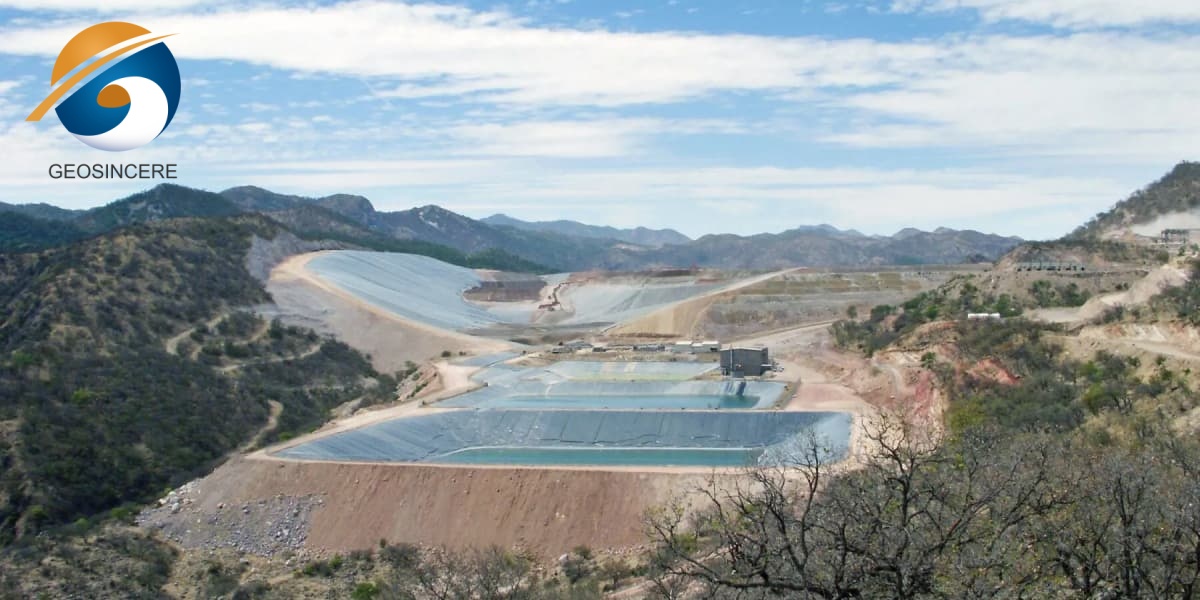
A 2mm HDPE Geomembrane provides a combination of thickness, strength, chemical resistance, and relatively efficient installation.
Compared with thinner 0.75 mm or 1.0 mm liners, 2.0 mm geomembranes generally provide greater resistance to construction damage, puncture, tearing, and mechanical stress.
A 2.0 mm HDPE geomembrane is approximately 80 mils thick.
Typical applications include:
- Landfill containment
- Mining heap leach pads
- Tailings ponds
- Wastewater treatment lagoons
- Industrial wastewater containment
- Aquaculture ponds
- Irrigation reservoirs
- Secondary containment
- Oil and gas facilities
A published 2.0 mm HDPE specification, for example, lists a nominal thickness of 2.00 mm, density of at least 0.94 g/cm³, tensile strength at break of 67 kN/m, elongation at break of 700%, and tear resistance of 290 N.
These figures demonstrate why 2 mm material is commonly considered for relatively demanding containment applications.
Price per square meter should not be the only purchasing criterion.
A professional procurement evaluation should consider at least the following factors.
Virgin HDPE resin is generally preferred for projects requiring predictable mechanical and long-term performance.
Ask the manufacturer about:
- Resin grade
- Resin source
- Virgin/recycled content
- Density
- Carbon black content
- Additive formulation
For black geomembranes, carbon black is commonly incorporated to improve UV resistance.
Important parameters include:
- Tensile strength
- Elongation
- Tear resistance
- Puncture resistance
- Stress crack resistance
- Oxidative induction time
For example, one current 2.0 mm HDPE specification reports a puncture resistance of 640 N and tensile strength at break of 67 kN/m.
However, specifications should always be compared using the same test standards, because different testing methods can produce different values.
A reliable manufacturer should be able to provide:
- Factory production records
- Batch traceability
- TDS
- Third-party test reports
- Quality certificates
- Roll inspection records
- Welding recommendations
This becomes particularly important for large projects where thousands or hundreds of thousands of square meters may be supplied.
BPM Geosynthetics is a Chinese manufacturer and exporter specializing in geomembranes and other geosynthetic products.
Its product range includes HDPE smooth and textured geomembranes in different thicknesses, including 2.0 mm.
- Competitive manufacturing cost
- Large-scale export experience
- HDPE smooth and textured options
- Multiple geosynthetic product categories
- Customized roll sizes
- Technical documentation and testing support
For international buyers looking for a balance between price, production capability, product range, and export support, BPM can be considered as one of the suppliers for comparison.
For large projects, buyers should request a project-specific TDS and test report rather than relying solely on general catalogue values.
Solmax is one of the best-known global geosynthetics manufacturers, with the GSE product portfolio forming an important part of its geomembrane offering.
Its GSE HD series is designed for demanding containment applications and is stated by Solmax to exceed GRI-GM13 requirements.
The company offers HDPE geomembranes for:
- Landfills
- Mining
- Waste containment
- Water reservoirs
- Agriculture
- Industrial containment
Solmax also offers specialized products such as high-temperature HDPE and conductive geomembranes for leak-location applications.
Best suited for:
Large-scale infrastructure and highly engineered containment projects.
AGRU is another established international supplier of geomembranes and polymer-based containment systems.
The company is particularly recognized for engineered polymer products and customized solutions for demanding industrial and environmental applications.
- Thickness tolerance
- Mechanical properties
- Welding characteristics
- Chemical resistance
- Project certification requirements
Industrial, environmental, water, and technically demanding projects.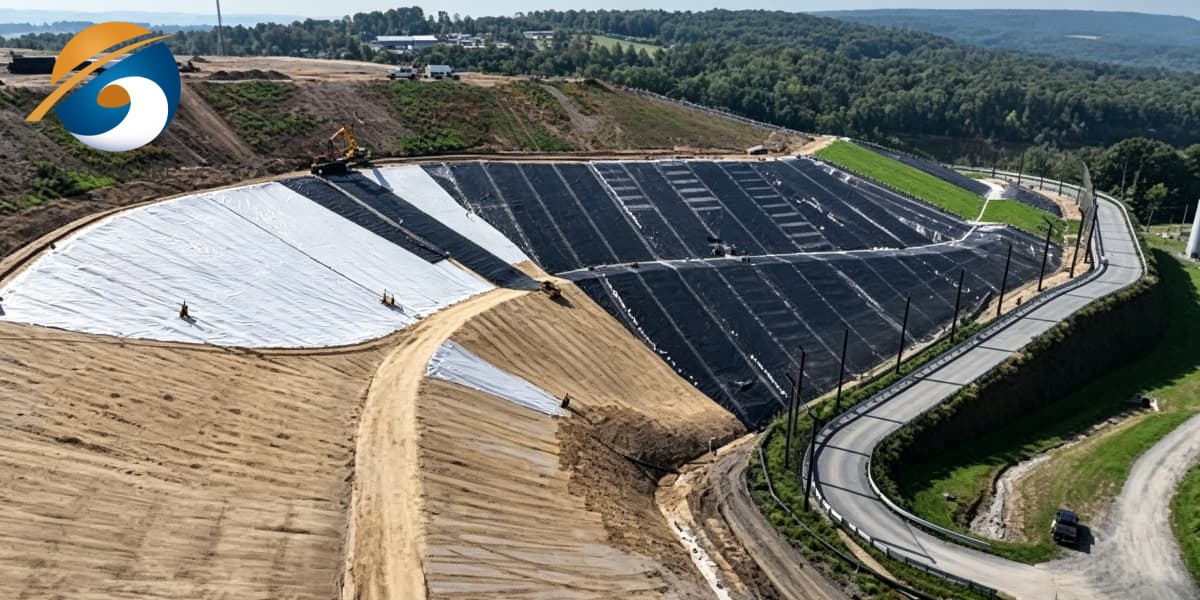
NAUE is a well-established European geosynthetics manufacturer.
Its Carbofol® product line includes HDPE geomembranes for applications such as landfill containment, mining, groundwater protection, and water conveyance. NAUE states that its 2.0 mm grades can be supplied in rolls up to 7.5 m wide and up to 200 m long, depending on the product configuration.
- European projects
- Landfills
- Mining
- Groundwater protection
- Engineered containment systems
Atarfil is another manufacturer known for geomembrane solutions for environmental and water-related applications.
Its product portfolio includes HDPE geomembranes designed for demanding containment environments.
When evaluating Atarfil or similar European suppliers, buyers should compare:
- Product standards
- Available thicknesses
- Textured configurations
- Roll dimensions
- Certifications
- Local technical support
Best suited for:
European and international environmental containment projects.
Layfield is a North American supplier of geomembranes and engineered containment solutions.
Its products are used in areas including:
- Water containment
- Industrial containment
- Mining
- Environmental protection
- Construction
One advantage of established suppliers such as Layfield is the availability of technical and fabrication support alongside the liner itself.
Best suited for:
North American projects requiring engineering and fabrication support.
Maccaferri is an international engineering and geosynthetics company with a broad portfolio covering civil engineering, environmental protection, and infrastructure.
Rather than focusing only on membrane supply, companies operating in this segment can provide broader engineered solutions.
- Best suited for:
Civil engineering and integrated geotechnical projects.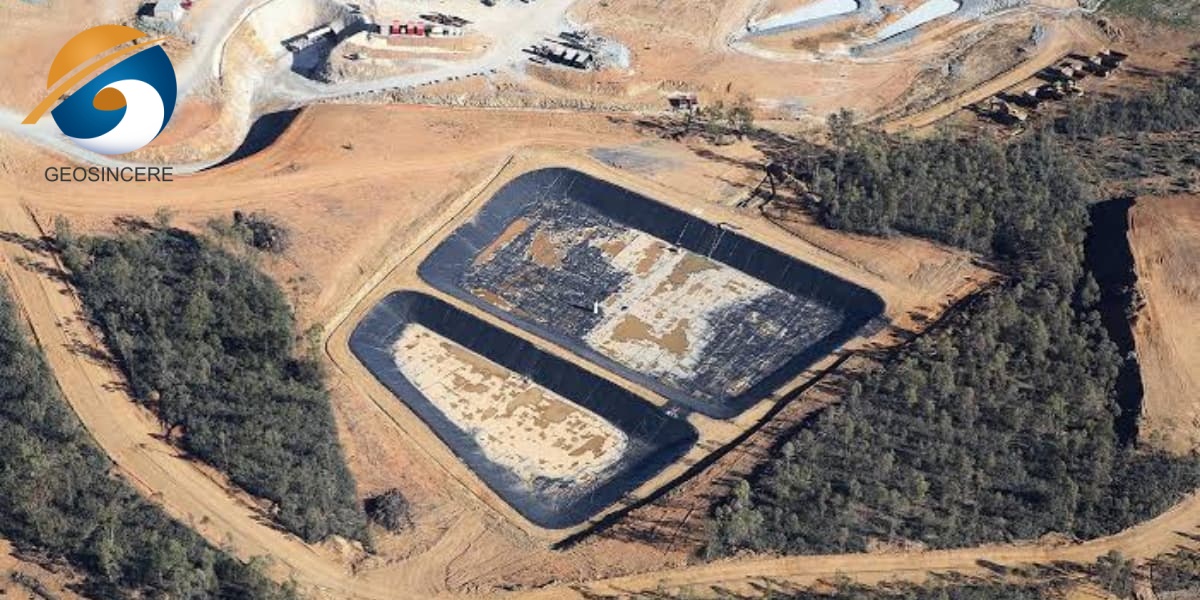
|
Supplier |
Region |
Main Strength |
Typical Applications |
|
BPM Geosynthetics |
China |
Cost-effective manufacturing & export |
Mining, water, aquaculture, landfill |
|
Solmax / GSE |
Global |
Large-scale containment solutions |
Landfill, mining, industrial |
|
AGRU |
Austria / Global |
Engineered polymer solutions |
Industrial, environmental |
|
NAUE |
Germany / Europe |
European geosynthetic expertise |
Mining, landfill, water |
|
Atarfil |
Spain / Global |
Geomembrane specialization |
Environmental, water |
|
Layfield |
North America |
Technical & fabrication support |
Water, mining, containment |
|
Maccaferri |
Global |
Engineering solutions |
Civil & environmental projects |
This comparison is intended as a general purchasing guide. Availability, product specifications, certifications, and manufacturing locations can vary by market and product series.
When purchasing a 2mm HDPE Geomembrane, buyers also need to decide whether they need a smooth or textured surface.
Smooth geomembranes are commonly used on relatively flat surfaces.
Advantages include:
- Easy cleaning
- Efficient welding
- Simple deployment
- Lower surface friction
Typical applications include:
- Reservoir floors
- Pond liners
- Landfill base areas
- Industrial containment
Textured geomembranes provide higher interface friction.
They are particularly useful for:
- Landfill slopes
- Mining slopes
- Steep containment systems
- Applications requiring improved interface stability
For example, Solmax offers textured GSE HD products and positions them for demanding containment applications.
The exact friction performance should be verified through project-specific interface shear testing.
The price of 2mm HDPE geomembrane varies significantly according to:
- Resin prices
- Order quantity
- Surface type
- Roll width
- Roll length
- Certification requirements
- Packaging
- Destination
- Shipping costs
- Production schedule
Therefore, publishing one fixed global price is generally misleading.
For a large project, buyers should request a quotation based on the exact:
Thickness + surface + quantity + roll size + destination + Incoterm.
A lower price is not necessarily a better deal if the product has inconsistent thickness, poor mechanical performance, inadequate packaging, or insufficient quality documentation.
Before placing an order, buyers should request the following information.
Ask for:
- Technical Data Sheet
- Certificate of Analysis
- Third-party test report
- Factory inspection report
- ISO certificates
- Relevant project references
If the order is large, consider:
- Factory inspection
- Pre-shipment inspection
- Third-party testing
- Batch traceability
- Sample approval
Before mass production, it is good practice to approve a sample and establish the exact technical requirements.
The production material should then be manufactured according to the approved specification.
A landfill, mining facility, or wastewater project may require tens or hundreds of thousands of square meters of geomembrane.
Even a small inconsistency in thickness or mechanical properties can create additional project risk when repeated across a large production batch.
For this reason, buyers should pay attention to quality-control systems rather than only laboratory results from one sample.
A strong supplier should be able to explain how raw materials are controlled, how production is monitored, how rolls are inspected, and how finished products are traced.
Solmax, for example, describes a quality-control process involving incoming resin checks, electronic monitoring during production, and mechanical-property assessment after production. 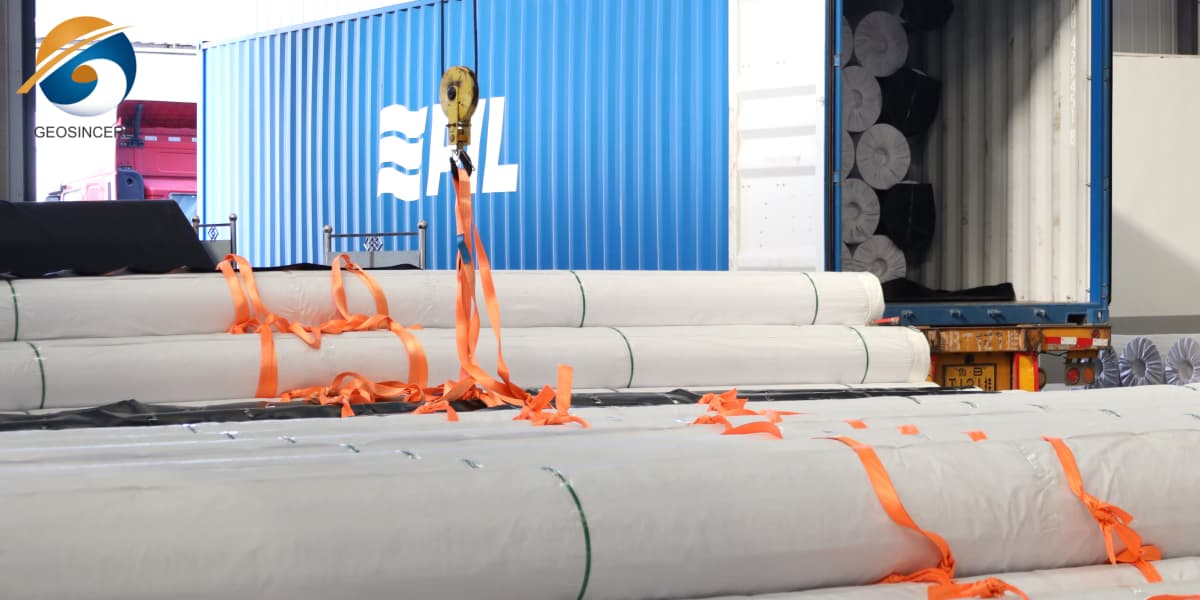
A 2mm HDPE Geomembrane can provide a strong combination of impermeability, mechanical resistance, chemical resistance, and long-term containment performance.
However, the best product is not necessarily the product with the lowest price or the most impressive specification sheet.
The right choice depends on the complete project:
- Application
- Subgrade
- Slope
- Chemical environment
- Installation conditions
- Required design life
- Local regulations
- Quality-control requirements
- Total delivered cost
Suppliers such as BPM Geosynthetics, Solmax/GSE, AGRU, NAUE, Atarfil, Layfield, and Maccaferri can all be considered depending on project requirements and geographic market.
For procurement teams, the most reliable approach is to compare suppliers using the same specification, same test standards, same thickness, same delivery terms, and same quality requirements.
Ultimately, a high-quality 2mm HDPE Geomembrane combined with professional installation and rigorous quality control can provide a dependable barrier system for demanding containment projects.
