The Polyethylene Geomembrane has quietly become one of the most influential materials in modern civil engineering. Although often hidden beneath landfills, reservoirs, mining pads, and wastewater systems, it plays a critical role in protecting the environment and ensuring the structural integrity of large-scale infrastructure projects.
As global infrastructure expands and environmental regulations become stricter, engineers increasingly rely on polyethylene geomembrane liner to provide long-term containment, waterproofing, and contamination control. Its combination of durability, chemical resistance, and impermeability makes it an essential component in sustainable engineering design.
Unlike traditional construction materials, GEOSINCERE Geosynthetics polyethylene geomembrane does not merely support structures—it actively protects ecosystems by preventing leakage, contamination, and resource loss. In addition, its performance consistency under extreme environmental conditions makes it suitable for both developed and developing regions, where infrastructure reliability is increasingly critical. Continuous improvements in polymer technology have further enhanced its lifespan, flexibility, and resistance to stress cracking, strengthening its role in modern engineering applications worldwide.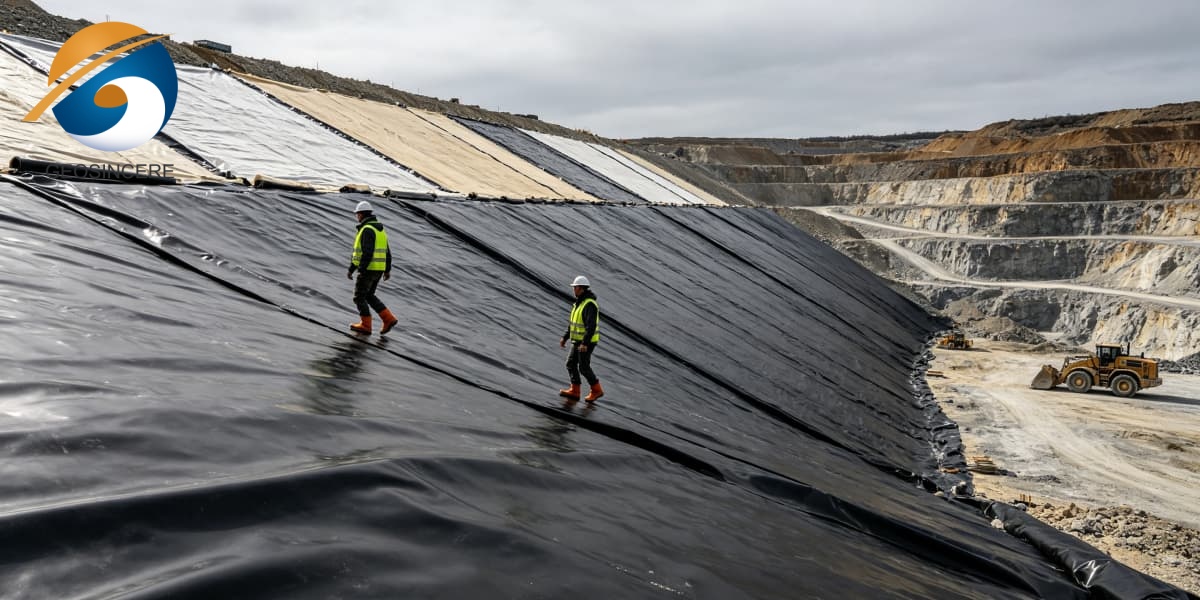
A Polyethylene Geomembrane is a synthetic impermeable membrane made primarily from high-density polyethylene (HDPE) or linear low-density polyethylene (LLDPE). It is designed to act as a barrier against liquids, gases, and contaminants.
Key characteristics include:
- Extremely low permeability
- High chemical resistance
- Excellent UV stability
- Strong mechanical performance
- Long service life (20–50+ years)
These properties make it suitable for demanding civil and environmental engineering applications. In addition, its molecular structure provides excellent resistance to environmental stress cracking, allowing it to maintain integrity even under long-term loading and fluctuating temperatures. This makes it particularly valuable in large-scale infrastructure projects where durability and reliability are critical.
Polyethylene geomembranes are produced through advanced extrusion processes where high-quality resin is melted and formed into uniform sheets.
To enhance performance, manufacturers add:
- Carbon black (UV resistance)
- Antioxidants (aging resistance)
- Stabilizers (thermal and chemical stability)
Strict quality control ensures consistent thickness, strength, and durability across production batches. During production, parameters such as melt temperature, cooling rate, and extrusion pressure are carefully controlled to ensure uniform polymer distribution. This results in a geomembrane with stable physical properties, reduced weak points, and long-term field performance reliability even in harsh environmental conditions.
Before geomembranes, engineers relied on compacted clay liners and natural soils. These materials were:
- Inconsistent in performance
- Space-consuming
- Vulnerable to cracking and seepage
Polyethylene geomembrane replaced these limitations with a thin yet highly effective barrier system. This shift marked a major improvement in construction efficiency, as projects could achieve higher levels of impermeability without requiring large volumes of natural clay or extensive earthwork. It also reduced dependency on local soil conditions, allowing standardized performance across different geographic regions and project types.
Modern infrastructure often faces:
- High chemical exposure
- Temperature fluctuations
- Heavy structural loads
- Ground settlement
Polyethylene geomembrane maintains performance under all these conditions, making it a preferred solution for critical infrastructure. In addition, its resistance to oxidation and long-term environmental aging ensures stable performance even in exposed or partially exposed installations. Engineers also value its predictable behavior under stress, which allows more accurate long-term design planning and risk assessment for large-scale civil and environmental projects.
One of the most important applications is in sanitary landfills, where polyethylene geomembrane:
- Prevents leachate leakage
- Protects groundwater
- Ensures regulatory compliance
It forms the primary containment layer in modern landfill liner systems.
In mining operations, polyethylene geomembrane is used in:
- Heap leach pads
- Tailings storage facilities
- Process solution ponds
Its chemical resistance is essential for handling acidic and alkaline mining solutions.
It plays a vital role in:
- Reservoir lining
- Irrigation canals
- Stormwater retention systems
By preventing seepage, it significantly improves water conservation efficiency.
Wastewater lagoons and treatment ponds rely on polyethylene geomembrane to:
- Prevent soil contamination
- Control odor leakage
- Ensure long-term containment stability
It is widely used in:
- Oil and gas containment
- Biogas systems
- Solar pond systems
These applications require high chemical and thermal resistance.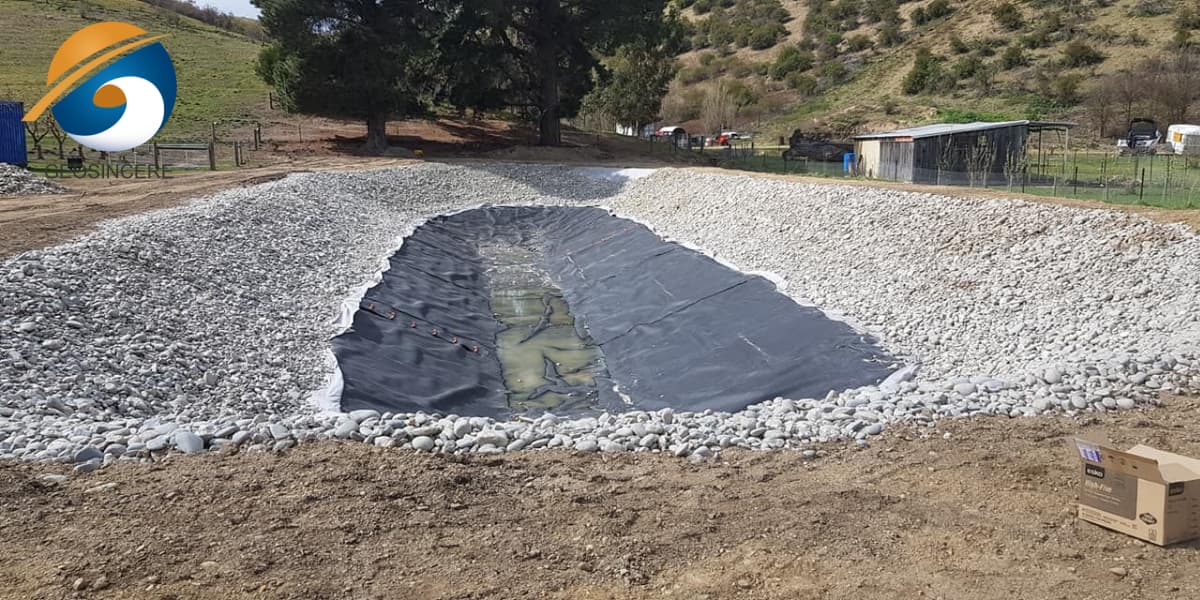
Polyethylene geomembrane resists:
- Acids
- Alkalis
- Salts
- Hydrocarbon compounds
This makes it suitable for aggressive industrial environments.
Despite being relatively thin, it offers strong:
- Puncture resistance
- Tear resistance
- Stress crack resistance
Proper installation with protective geotextiles further enhances durability.
Carbon black additives provide long-term protection against:
- Sunlight exposure
- Oxidation
- Weather aging
This allows exposed applications in harsh climates.
Proper installation begins with:
- Removing sharp objects
- Leveling the surface
- Adding protective cushioning layers
A smooth base is critical for preventing punctures.
Polyethylene geomembranes are joined using:
- Hot wedge welding
- Extrusion welding
High-quality seams are essential for leak-proof systems.
To ensure performance, engineers conduct:
- Air pressure testing
- Vacuum testing
- Destructive seam testing
These tests confirm system integrity before operation begins.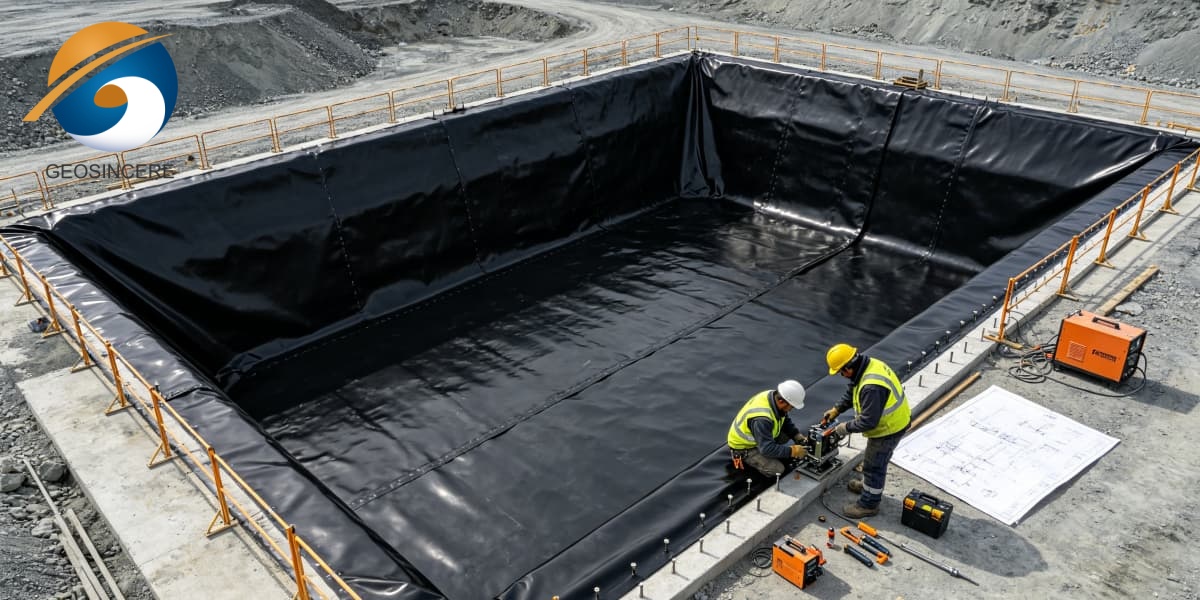
Polyethylene geomembranes prevent contaminants from reaching groundwater systems, safeguarding drinking water resources.
By isolating hazardous substances, they prevent long-term soil degradation.
They reduce:
- Water loss
- Chemical leakage
- Environmental remediation costs
This contributes to sustainable infrastructure development.
Although initial investment may be higher than traditional materials, polyethylene geomembranes provide:
- Long service life
- Low maintenance requirements
- Reduced repair costs
They are lightweight and easy to install, reducing:
- Labor costs
- Construction time
- Earthwork requirements
Combining geomembranes with geotextiles or clay liners enhances protection and redundancy. This layered approach not only improves puncture resistance but also provides additional hydraulic security in case of localized damage. Composite systems are widely used in high-risk projects such as landfills and mining facilities to ensure multi-level containment performance over long service periods.
Avoiding mechanical damage during installation is critical for long-term reliability. Careful handling, proper subgrade preparation, and controlled equipment movement significantly reduce the risk of punctures or seam failures. Training of installation crews and adherence to strict construction standards also play an important role in ensuring system integrity.
Leak detection systems help ensure early identification of potential issues. In addition, periodic inspections and performance assessments allow engineers to detect minor defects before they escalate into serious failures, thereby extending the overall service life of the system and reducing maintenance costs.
Future systems may include embedded sensors for real-time leakage detection and structural health monitoring. In addition, digital monitoring technologies such as IoT-based systems and remote data collection are expected to improve early warning capabilities, allowing engineers to identify potential failures before they develop into serious environmental risks. This integration of smart technology will significantly enhance operational safety and maintenance efficiency.
Research is focused on improving:
- Stress crack resistance
- Flexibility
- Longevity
New polymer modification techniques and advanced additive formulations are being developed to further extend service life and improve performance under extreme environmental stress. These innovations aim to reduce material degradation over time and ensure more stable behavior in long-term civil engineering applications, especially in high-risk containment systems.
With increasing infrastructure development and environmental awareness, demand for polyethylene geomembranes continues to grow worldwide. Emerging economies are rapidly adopting geomembrane technology for waste management, mining, and water conservation projects. At the same time, stricter environmental regulations in developed regions are driving upgrades to more reliable and high-performance containment systems. This global trend is expected to further accelerate innovation and large-scale adoption of polyethylene geomembrane solutions across multiple industries.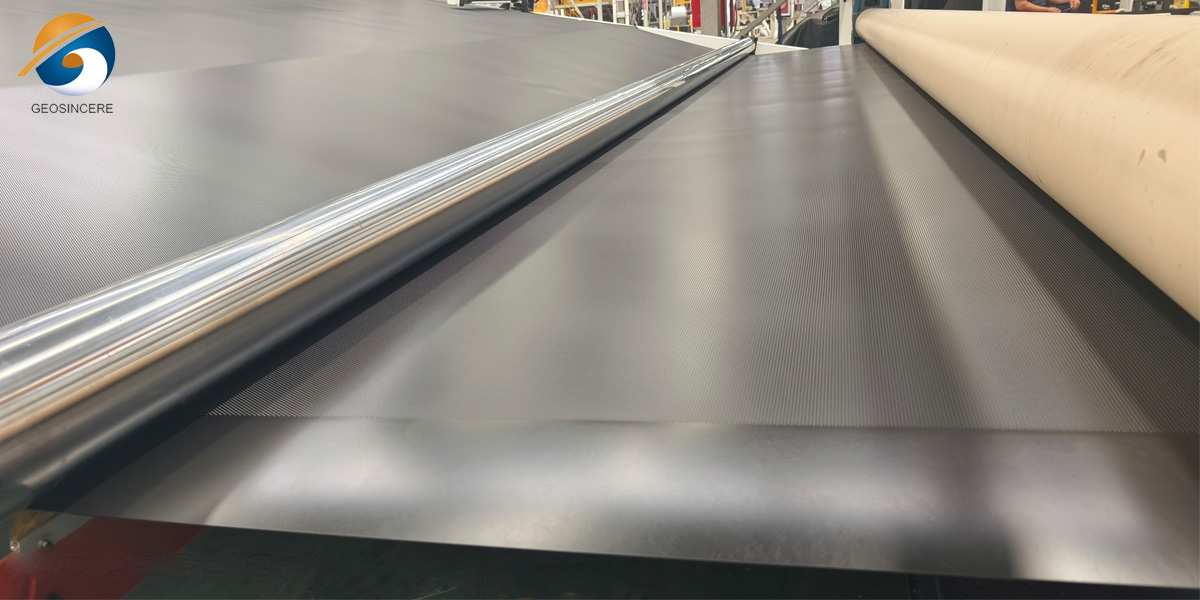
Shandong Geosino New Material Co., Ltd. (GEOSINCERE Geosynthetics) Polyethylene Geomembrane has fundamentally redefined modern civil engineering by providing a reliable, durable, and environmentally responsible containment solution.
Though often unseen beneath major infrastructure projects, it serves as a silent guardian—protecting water resources, preventing pollution, and ensuring long-term structural stability. In addition, its role extends beyond basic containment, as it actively supports sustainable development goals by reducing environmental risks and improving resource efficiency across multiple industries.
With continuous advancements in polymer science and manufacturing technology, polyethylene geomembranes are becoming even more durable, flexible, and resistant to harsh operating conditions. This evolution allows engineers to design safer and more efficient systems with greater confidence in long-term performance.
As global demand for infrastructure, mining, waste management, and water conservation continues to grow, the importance of polyethylene geomembrane technology will only increase. It not only safeguards critical environmental systems today but also provides a foundation for more resilient and sustainable engineering solutions in the future.
As global challenges surrounding water scarcity, waste management, and environmental protection intensify, polyethylene geomembrane technology will remain a cornerstone of sustainable engineering, quietly supporting the infrastructure that modern society depends on.
