In the vast and intricate world of geosynthetics, few materials have proven as indispensable as the geomembrane. As a continuous polymeric sheet used primarily for lining and barrier applications, geomembranes serve as the frontline defense against contamination, seepage, and fluid migration in a multitude of civil and environmental engineering projects. From the HDPE liner of municipal solid waste landfills to the floating covers on potable water reservoirs, and from mining heap leach pads to aquaculture ponds, the application of GEOSINCERE Geosynthetics geomembrane is both diverse and critical. However, for project managers, procurement officers, and engineers, one central question consistently emerges: What is the current geomembrane price?
The cost of geomembrane is not a static figure; it is a volatile and dynamic metric influenced by a complex web of raw material prices, manufacturing technologies, global supply chain logistics, and project-specific technical requirements. Understanding the nuances of geomembrane pricing is not merely an exercise in budgeting; it is a strategic imperative that can determine the financial viability and long-term success of an infrastructure project. This article aims to demystify the geomembrane price landscape, offering a deep dive into the various factors that dictate costs, the different types of geomembranes available, and how to navigate the market to secure the best value for your investment.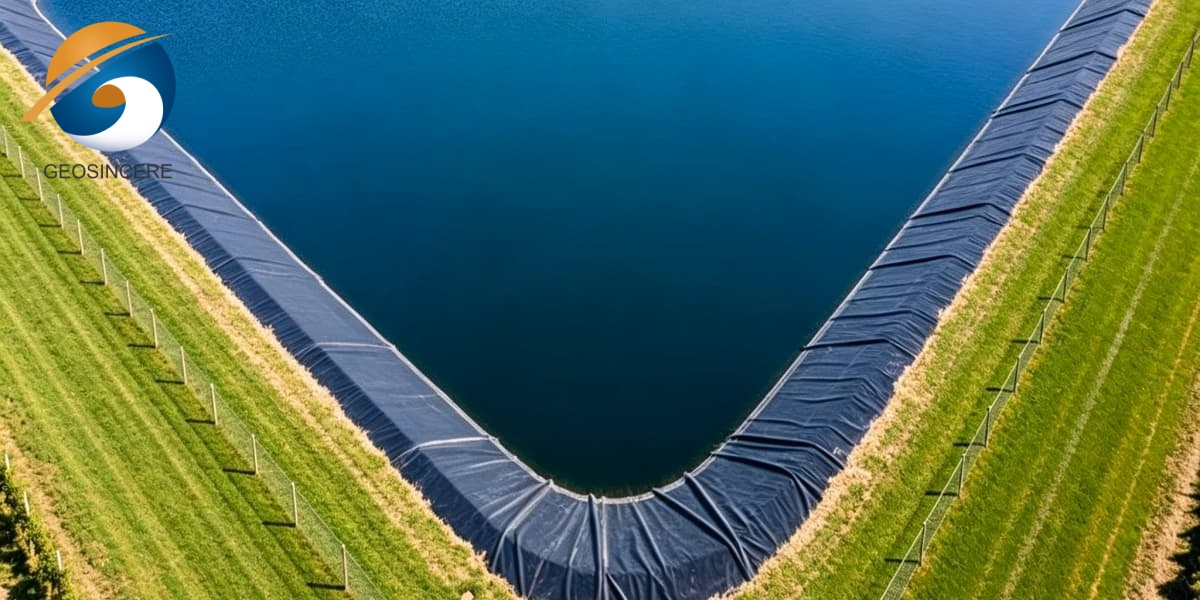
The first and most significant determinant of the geomembrane price is the type of polymer used in its manufacture. Different polymers offer distinct physical, chemical, and mechanical properties, making them suitable for specific applications. Consequently, their production costs vary dramatically.
HDPE is arguably the most widely used geomembrane in the world, celebrated for its excellent chemical resistance, high tensile strength, and durability. It is the go-to material for landfill liners, hazardous waste containment, and mining applications.
Generally, HDPE geomembranes are considered the mid-range option. The price typically fluctuates between $1.50 to $4.00 per square meter, depending on thickness and global resin prices.
The primary cost component is the HDPE resin, which is a derivative of crude oil and natural gas. Therefore, the geomembrane price for HDPE is highly sensitive to global petrochemical market fluctuations.
LLDPE offers greater flexibility and elongation compared to HDPE. While it has slightly lower puncture resistance and tensile strength, its flexibility makes it ideal for applications that must conform to uneven surfaces, such as pond liners and tank farm containment.
LLDPE is often comparable to or slightly cheaper than HDPE, ranging from $1.40 to $3.50 per square meter.
Similar to HDPE, the cost is tied to the ethylene monomer market. However, manufacturing LLDPE requires slightly less energy in the polymerization process, which can occasionally result in a marginal price reduction during periods of low energy costs.
PVC geomembranes are known for their high flexibility, tear resistance, and ease of installation via heat welding or chemical adhesives. They are frequently used in canal liners, waterproofing for tunnels, and potable water reservoirs.
PVC is generally priced between $2.00 and $5.00 per square meter.
The price of PVC is heavily influenced by the cost of plasticizers, which are required to give the material its flexibility, and stabilizers that prevent degradation. Fluctuations in the chlorine and ethylene markets also play a significant role.
PP geomembranes exhibit excellent resistance to high temperatures, UV radiation, and chemical attack. They are often used in exposed applications such as floating covers and solar pond liners.
PP tends to be on the higher end of the spectrum, often ranging from $2.50 to $6.00 per square meter.
The production of PP resin is energy-intensive, and the monomer (propylene) has a volatile market. Additionally, specialized UV stabilizers are often compounded into the resin, adding to the material cost.
EPDM is a synthetic rubber geomembrane that offers exceptional elasticity and resistance to weathering and ozone. It is commonly used in decorative ponds, water features, and areas with extreme temperature variations.
EPDM is one of the most expensive geomembranes, with prices ranging from $5.00 to $12.00+ per square meter.
The price is driven by the high cost of the ethylene-propylene-diene monomer raw materials and the complex vulcanization (cross-linking) processes required to manufacture the sheets.
While the polymer type establishes the baseline, the thickness of the geomembrane is the most significant variable affecting the final geomembrane price within a specific material category.
Geomembranes are typically available in thicknesses ranging from 0.5 mm (20 mils) to 3.0 mm (120 mils) or more. The relationship between thickness and cost is nearly linear. For instance, a 2.0 mm HDPE liner will cost nearly double that of a 1.0 mm HDPE liner of the same quality.
Often used for temporary structures, canal liners, or secondary containment where load-bearing capacity is minimal.
This is the industry standard for landfill liners, mining heap leach pads, and wastewater treatment facilities.
Used in high-load applications, such as the base lining of deep mining pits or areas that require extreme puncture resistance.
Engineers must balance the need for strength and durability against the budget. While a thicker liner offers greater safety and longevity, it directly increases the geomembrane price per square meter, which can add millions to a large-scale project budget.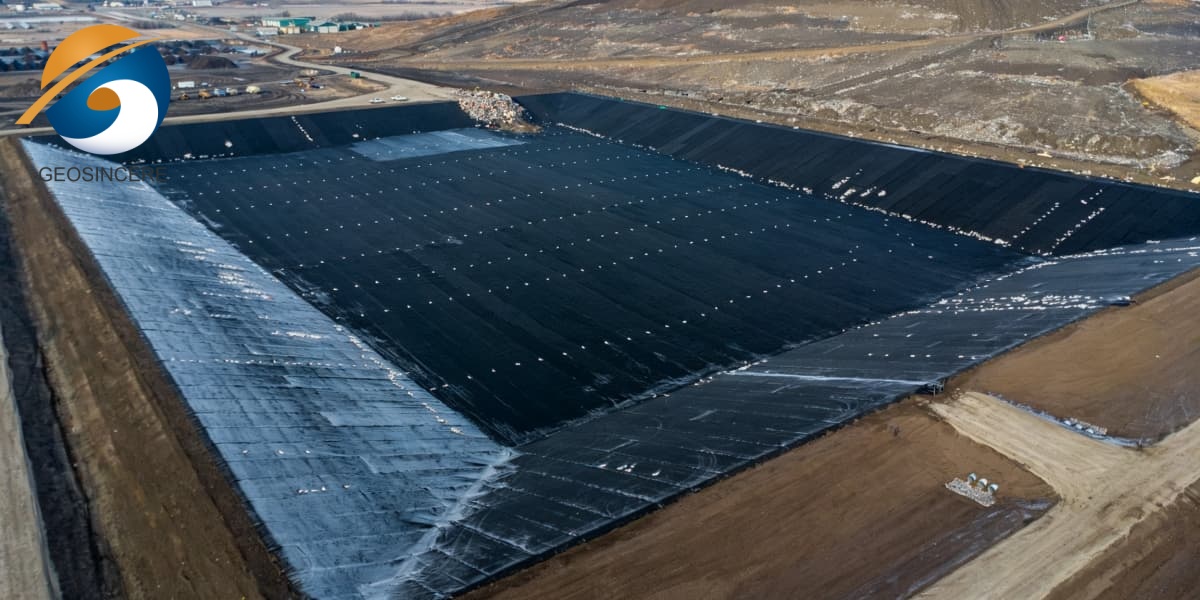
The geomembrane price is not solely a function of manufacturing; it is deeply entrenched in the global commodities market. Understanding these external forces is crucial for timing procurement strategically.
Polyethylene, PVC, and PP are all petrochemical products. When crude oil prices surge, the feedstock for these polymers (naphtha, ethylene, propylene) becomes more expensive. This cost is invariably passed down the supply chain to the end-user. Conversely, a drop in oil prices can provide relief to the geomembrane price index. However, it is important to note that there is typically a 3-to-6-month lag between crude oil price movements and final geomembrane pricing, as manufacturers use existing resin inventory.
Political unrest in oil-producing regions can introduce volatility into the market. Trade tariffs, such as those imposed on Chinese steel or petrochemicals, can also affect the global supply chain, forcing prices upward as manufacturers seek alternative, more expensive sources of raw materials.
Geomembranes are bulky and heavy. Shipping costs constitute a significant portion of the final geomembrane price. The cost of marine fuel, container availability, and global shipping routes all play a role. The post-pandemic era saw a dramatic spike in shipping costs, which had a direct inflationary impact on the cost of imported geomembranes.
Local demand can also affect pricing. For instance, a boom in infrastructure projects in a specific region (e.g., Southeast Asia or the Middle East) can lead to temporary shortages and price hikes. Conversely, in regions with high local production, the price may be more stable due to reduced freight costs and lower import duties.
When evaluating the geomembrane price, it is a common mistake to focus exclusively on the cost per square meter of the raw liner. The total "installed cost" is a far more critical metric. In many cases, installation can account for 30% to 50% of the total project budget.
The way a geomembrane is packaged and seamed affects installation costs. Wider panels require fewer field seams. While a wider panel may increase the upfront geomembrane price due to specialized manufacturing equipment, it drastically reduces labor costs on-site. Field seaming is labor-intensive and requires highly skilled technicians, specialized welding equipment, and rigorous quality assurance testing.
The surface beneath the geomembrane must be smooth and free of sharp objects to prevent punctures. The cost of site preparation—grading, compaction, and the installation of a geotextile cushion layer—can rival the cost of the geomembrane itself.
As mentioned, shipping is a major cost. For projects in remote locations, the logistics of transporting large rolls of geomembrane can be daunting and expensive. The geomembrane price quoted by a supplier may be ex-factory (FOB), meaning the buyer is responsible for freight. This can add $0.30 to $1.00+ per square meter to the total cost.
In the competitive market of geosynthetics, a lower geomembrane price is often tempting. However, procurement strategies must consider the principle of Total Cost of Ownership (TCO). A cheaper liner with lower quality may lead to premature failure, environmental contamination, and costly litigation.
Not all HDPE or LLDPE is created equal. "Virgin" resins provide consistent molecular structure and better stress crack resistance. "Off-spec" or reprocessed resins often contain contaminants that lead to rapid degradation. The price difference between a liner made of virgin resin and one with recycled content can be significant, but the former offers a 50-to-100-year service life, whereas the latter may fail in less than a decade.
UV stabilizers, antioxidants, and carbon black are essential additives that protect the geomembrane from environmental degradation. A supplier who skimps on these additives to reduce the geomembrane price is selling a product that will become brittle and crack when exposed to sunlight or extreme temperatures.
The Geosynthetic Research Institute (GRI) provides specifications (e.g., GRI-GM13 for HDPE) that outline minimum physical property requirements. Insisting on GRI-certified materials ensures that the "cheap" liner is actually providing the specified strength, elongation, and puncture resistance. Buying a non-certified liner might save cents now but can cost millions in failure later.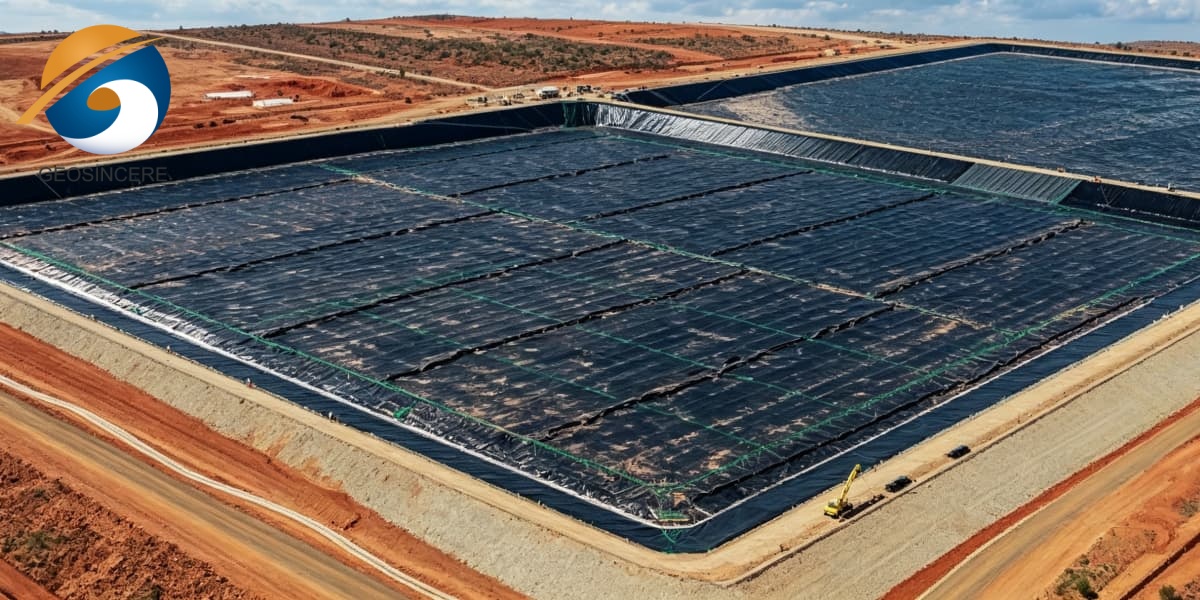
Beyond standard geomembranes, the market offers specialized products that command a premium geomembrane price.
Textured surfaces increase friction angles, allowing for stability on steep slopes. Texturing is achieved through co-extrusion or by applying a "speckled" coating. This manufacturing process adds 10% to 20% to the base geomembrane price but is essential for slope stability.
These contain a carbon-black conductive layer that allows for electrical leak detection surveys. This technology ensures the integrity of the liner after installation. The price premium is approximately 15% to 25% over standard liners.
For applications requiring high tensile strength (such as floating covers or high-stress canal linings), geotextile-reinforced geomembranes are used. The lamination process adds to the manufacturing cost, increasing the price by 20% to 40%.
Analyzing the trajectory of the geomembrane price requires a look at future trends in sustainability and technology.
There is increasing pressure on the industry to develop more sustainable products. This includes the use of bio-based resins and recycling initiatives. While these green alternatives are currently more expensive, economies of scale and technological advancements are expected to bring prices down, potentially stabilizing the market.
Advancements in extrusion technology are becoming more efficient. Automated welding robots and AI-driven quality control are reducing waste during manufacturing, which could lead to a slight decrease in production costs in the long run.
Given the ongoing global energy transition and geopolitical complexities, volatility in raw material costs is likely to continue. Experts anticipate that the geomembrane price will remain relatively high through 2026, driven by rising energy costs and supply chain bottlenecks. However, improvements in recycling infrastructure may eventually introduce a cheaper, recycled-grade option to the market.
Given the complex variables influencing the geomembrane price, what steps should a procurement officer or project manager take?
Do not merely ask for a unit price. Request a line-item breakdown of materials, shipping, installation, testing, and warranty. This allows for transparent comparison between suppliers.
Large projects often benefit from economies of scale. Committing to a massive roll size or covering a large surface area can provide leverage to negotiate lower prices. however, ensure that storage conditions are adequate to prevent damage to the rolls.
For large-scale phased projects, consider signing long-term supply agreements with price escalation clauses. This locks in a baseline price while allowing for slight adjustments based on resin market indexes (e.g., the ICIS index).
Sometimes, the most expensive liner is not the best liner for the job. Evaluate the risk of failure versus the cost of a higher-quality product. If the containment is hazardous, investing in a high-quality, thick HDPE liner with a textured surface is worth the premium.
While local manufacturers may be more expensive, they often offer faster delivery and lower freight. However, sourcing internationally from regions with lower production costs (such as China or India) can drastically reduce the geomembrane price, provided you account for lead times and import duties.
The geomembrane price is a multifaceted variable that extends far beyond a simple number on a quote sheet. It is the culmination of polymer chemistry, global oil markets, manufacturing precision, logistical challenges, and specific project engineering requirements. Whether you are lining a small retention pond or a billion-dollar mining operation, understanding the drivers of this price is essential to making informed, cost-effective decisions.
A high-quality geomembrane, while carrying a higher upfront cost, represents a critical investment in environmental protection and long-term infrastructure resilience. The adage "you get what you pay for" is particularly relevant in the geosynthetics industry. By considering the total cost of ownership—including installation, maintenance, and the risk of failure—engineers and project owners can see the value in selecting a liner that balances performance and economic efficiency.
As we move toward a more sustainable future, the industry will continue to evolve. However, for the foreseeable future, the geomembrane price will remain a top concern for professionals across the globe, a necessary financial consideration in the pursuit of containing water, waste, and precious resources. By staying informed, conducting thorough comparative analyses, and partnering with reputable manufacturers, stakeholders can navigate the volatile landscape of pricing and secure the robust containment solutions our modern world demands.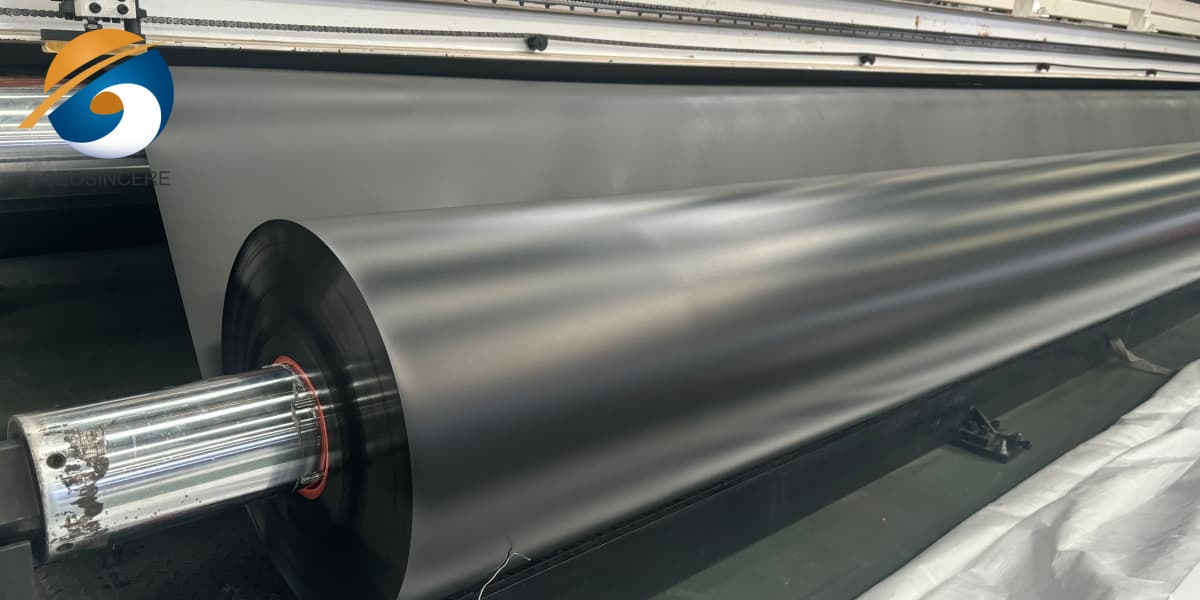
Shandong Geosino New Material Co., Ltd. (GEOSINCERE Geosynthetics) has been keeping on investing in technological innovation, manufacturing facilities improvement and turnkey engineering abilities. We have invested 10 million dollars into our manufacturing factory which is equipped with state-of-the-art automatic production lines to manufacture high quality HDPE geomembranes and other geosynthetics with optimized processes. Our extensive lines of geosynthetics products are well known for their ensured quality, high performance, excellent durability and best cost effectiveness.
GEOSINCERE Geosynthetics brand HDPE geomembranes and other geosynthetics products and solutions can meet your requirements by our solid technologies, innovative engineering solutions and excellent customer services. GEOSINCERE Geosynthetics always tries our best to solve the most complex civil, mining and environmental challenges with our innovative and high performance geosynthetic products. Quality assurance, factory price and fast delivery time are our competitive advantages.
