When it comes to water containment and environmental protection, few materials have proven as versatile and accessible as polyvinyl chloride (PVC) liners. For decades, GEOSINCERE Geosynthetics PVC geomembrane liner have served as reliable barriers in applications ranging from backyard garden ponds to large-scale industrial containment systems. Their combination of flexibility, affordability, and ease of installation has made them a go-to choice for project planners who need effective waterproofing without breaking the budget.
But like any engineering material, polyvinyl chloride geomembrane liner come with their own set of strengths and limitations. Understanding what they can do—and what they cannot—is essential for making informed procurement decisions. This guide provides a practical overview of PVC liners, covering their key properties, common applications, cost considerations, and how they compare to alternative materials.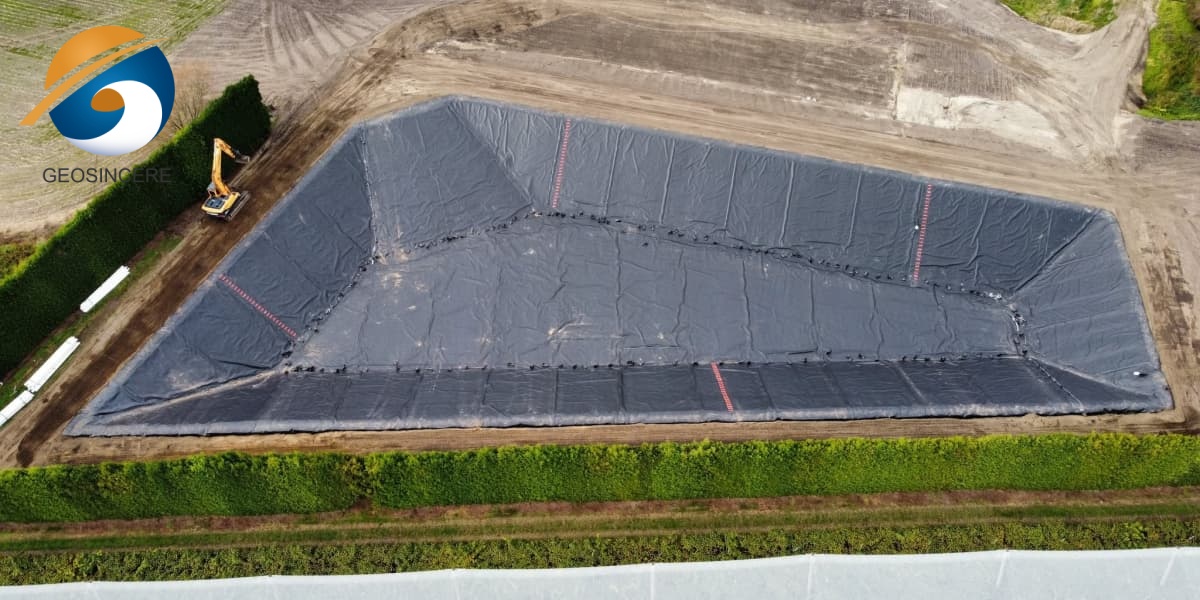
A PVC liner is a flexible, impermeable sheet manufactured from polyvinyl chloride, one of the most widely produced synthetic polymers in the world. The material is compounded with plasticizers to achieve flexibility, stabilizers to resist degradation, and other additives that enhance specific performance characteristics.
PVC geomembranes are available in a range of thicknesses, typically from 0.2mm up to 2.5mm, with 0.5mm, 1.0mm, and 1.5mm being common specifications for many applications. The material can be produced in smooth or textured finishes and is available in various colors, though black remains the most common for UV-resistant applications.
One of the defining characteristics of PVC liners is their weldability. Panels can be joined using heat welding, solvent welding, or adhesive methods to create continuous, watertight seams. This makes it possible to line large areas without the risk of leaks at panel joints—a critical consideration for any containment project.
PVC liners are highly flexible, with a bend radius typically less than five times the material gauge. This flexibility allows them to conform to irregular surfaces and complex geometries that would be difficult or impossible to line with more rigid materials. For projects involving curved contours, odd-shaped ponds, or uneven subgrades, PVC's ability to stretch and adapt is a significant advantage.
The primary function of any liner is to prevent fluid migration, and PVC performs well in this regard. The material's low permeability makes it effective for containing water, leachate, and various liquid wastes. When properly installed with welded seams, a PVC liner forms a continuous barrier that significantly reduces the risk of seepage.
PVC offers moderate resistance to a wide range of chemicals, including many acids, alkalis, and salts. This makes it suitable for applications involving agricultural runoff, municipal wastewater, and certain industrial effluents. However, it is important to note that PVC has limitations when exposed to hydrocarbons, solvents, and elevated temperatures—a point we will explore further below.
Standard PVC liners are vulnerable to ultraviolet radiation from sunlight. Prolonged exposure can cause the material to become brittle and lose its mechanical properties. However, modern PVC formulations incorporate UV stabilizers and carbon black additives that significantly improve resistance to sun damage. Some UV-treated PVC products now boast up to 30% better UV resistance than standard formulations.
PVC liners are notably lighter than many alternative materials, which translates into easier handling, lower shipping costs, and reduced labor requirements during installation. This lightweight characteristic is particularly valuable for projects in remote locations or where access is limited.
One of the primary reasons project planners choose PVC liners is their cost-effectiveness. The material offers one of the lowest upfront costs among geomembrane options.
In 2025, PVC liner material prices typically range from $0.28 to $1.50 per square foot. For thicker gauges or specialized formulations, prices may extend up to $1.50 per square foot or slightly higher. This represents a significant saving compared to many alternative liner materials.
When installation costs are factored in, PVC liner systems typically range from $0.50 to $3.00 per square foot. For a standard residential pond, installed costs generally fall between $1.20 and $2.80 per square foot. For larger commercial or industrial projects, economies of scale can push costs toward the lower end of this range.
To put these numbers in perspective, a 500-square-foot ornamental pond might cost between $250 and $2,000 for the liner system, while a 5,000-square-foot koi pond could range from $2,500 to $20,000. For a one-acre pond (approximately 43,560 square feet), material costs alone would range from roughly $12,000 to $65,000, with installed costs adding significantly to the total.
While PVC offers attractive upfront pricing, it is important to consider lifecycle costs. PVC liners typically require more frequent repairs and replacements than some alternatives. The material loses plasticizers over time—a process that accelerates with heat and UV exposure—leading to progressive embrittlement. Accelerated aging studies have confirmed that elevated temperatures accelerate plasticizer loss and promote dehydrochlorination, reducing the material's service life. For projects where long-term durability is critical, the lower initial cost of PVC may be offset by higher maintenance and replacement expenses over time.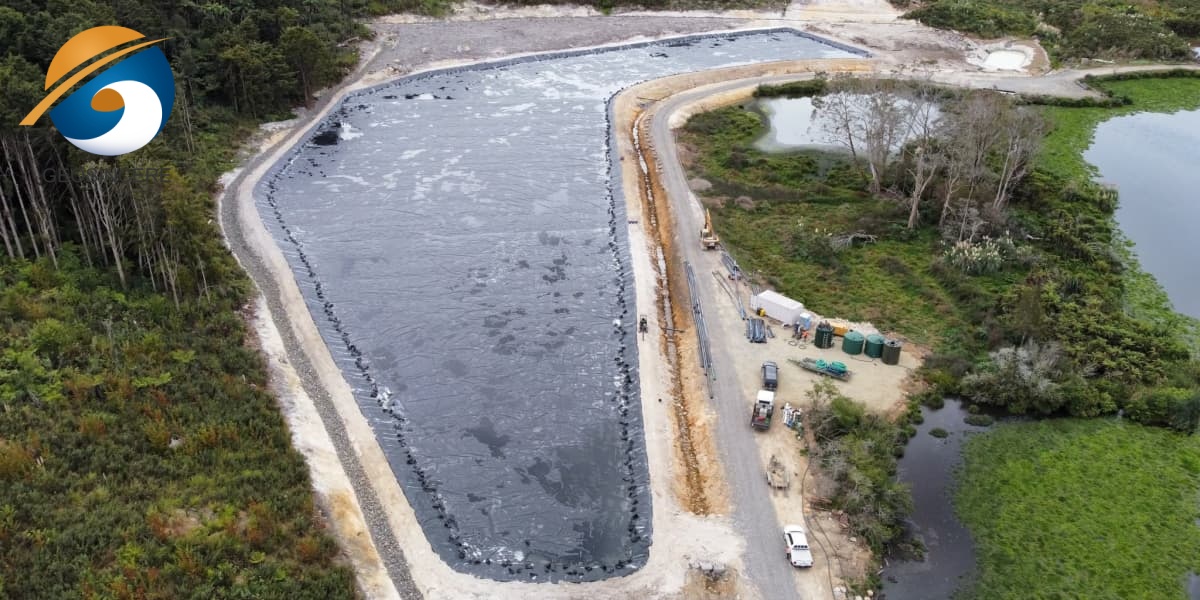
PVC liners are used across a remarkably diverse range of applications, from residential to industrial.
PVC is one of the most popular choices for garden ponds, ornamental water features, and small-scale aquaculture. Its flexibility allows it to conform to natural, irregular shapes, and its affordability makes it accessible for homeowners and hobbyists. Approximately 60% of pond projects use PVC liners.
PVC liners are widely used in residential and commercial swimming pools. The material provides a smooth, watertight surface that is comfortable underfoot and easy to maintain. Reinforced PVC membranes, typically 1.5mm thick with a polyester mesh substrate, offer enhanced durability for pool applications.
In aquaculture operations, PVC liners are used to line fish and shrimp production ponds. Approximately 20% of aquaculture applications utilize PVC liners. The material's smooth surface facilitates cleaning and harvesting, while its impermeability helps maintain stable water conditions.
PVC liners are employed in agricultural irrigation ponds, water storage reservoirs, and canal lining projects. Their lightweight nature and ease of installation make them attractive for projects where access is challenging.
PVC geomembranes serve as barriers in municipal solid waste landfills, hazardous waste impoundments, and industrial wastewater lagoons. They prevent leachate from migrating into soil and groundwater. PVC liners have been used in landfill cap applications, with field studies examining their performance after years of exposure to landfill gas and environmental stresses.
In the mining sector, PVC liners are used to line tailings ponds and heap leach pads. Their chemical resistance makes them suitable for containing process solutions and mining wastes.
For projects where the liner will be in service for a limited period or where the consequences of failure are modest, PVC offers an economical solution. Temporary storage ponds, construction site sediment basins, and seasonal water containment are typical applications.
To make an informed decision, it is helpful to understand how PVC compares to other common geomembrane materials.
HDPE (high-density polyethylene) is the primary competitor to PVC in many applications. HDPE offers superior durability, chemical resistance, and UV stability. It has a longer service life—often 40 years or more in buried applications—and requires less frequent replacement.
However, HDPE is more rigid and less flexible than PVC, making it more difficult to install on irregular surfaces. It also carries a higher upfront cost. For large, permanent containment systems where long-term performance is critical, HDPE is often the preferred choice. For smaller, non-critical projects where initial cost is the primary driver, PVC remains attractive.
EPDM (ethylene propylene diene monomer) rubber is another common alternative, particularly for decorative ponds and water features. EPDM offers excellent flexibility, outstanding ozone and UV resistance, and a long service life.
However, EPDM is significantly more expensive than PVC—typically two to three times the cost per square foot. It is also heavier and more difficult to handle, which can increase installation costs. For projects where budget is a primary concern, PVC offers a more accessible entry point.
LLDPE (linear low-density polyethylene) offers superior flexibility and multiaxial elongation compared to HDPE, but slightly lower long-term chemical and UV resistance. It occupies a middle ground between PVC and HDPE in terms of both cost and performance.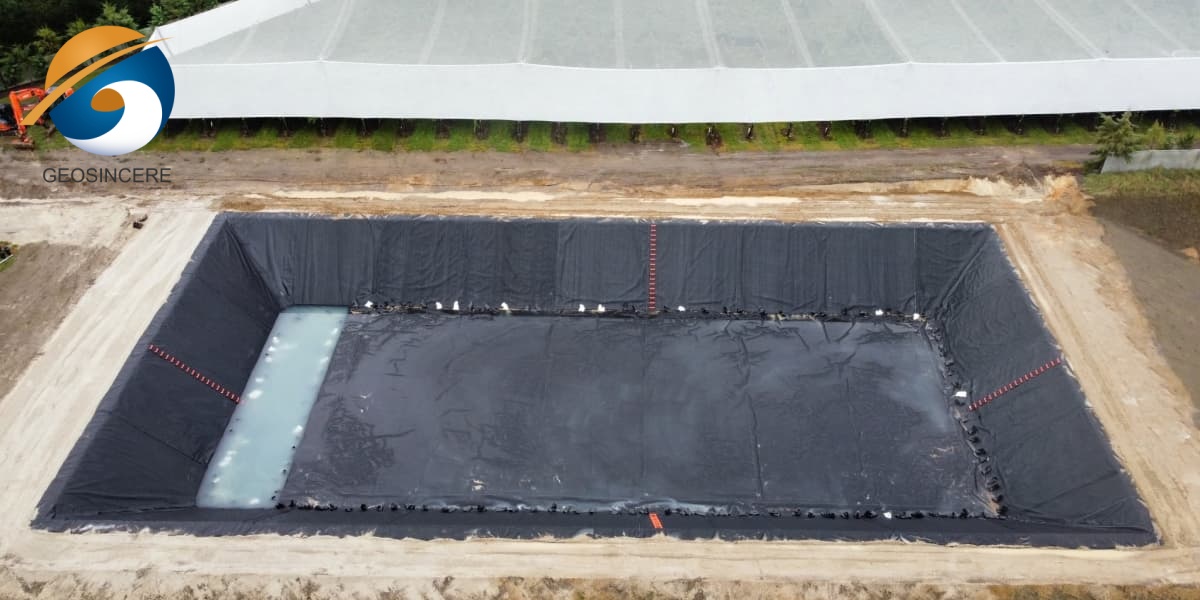
While PVC liners offer many advantages, they are not suitable for every application. Understanding their limitations is essential for making the right choice.
Standard PVC liners degrade when exposed to direct sunlight over extended periods. While UV-stabilized formulations are available, they do not match the UV resistance of HDPE or EPDM. For exposed applications, PVC liners should be protected with cover material or specified only when UV-stabilized grades are used.
PVC contains plasticizers that provide flexibility. Over time, these plasticizers can migrate out of the material—a process accelerated by heat and UV exposure. This leads to progressive embrittlement and reduced service life. Accelerated aging studies have confirmed that elevated temperatures accelerate plasticizer loss.
PVC liners are not recommended for service above 65°C (149°F) in corrosive environments, as their service life is notably reduced at elevated temperatures. For applications involving hot liquids or high-temperature exposure, alternative materials should be considered.
While PVC resists many chemicals, it is vulnerable to hydrocarbons, aromatic solvents, and certain organic compounds. Before specifying PVC for an industrial application, it is essential to verify chemical compatibility with the specific liquids to be contained.
Compared to HDPE and EPDM, PVC has a shorter typical service life—generally 10 to 25 years. For permanent infrastructure where replacement would be costly or disruptive, this shorter lifespan may be a decisive factor.
Proper installation is critical to the performance of any PVC liner system.
The global geomembrane market continues to grow, driven by increasing environmental regulations, aging infrastructure, and growing demand for water conservation. PVC occupies a significant share of this market, particularly in applications where cost and flexibility are paramount.
However, the market is evolving. Manufacturers are developing improved PVC formulations with better UV resistance, longer service life, and reduced plasticizer migration. These advances may expand PVC's applicability in projects where it has traditionally been considered unsuitable.
At the same time, environmental considerations are influencing material choices. PVC has faced scrutiny over its production processes and end-of-life disposal. While recycling programs exist, they are not as widespread as for some alternative materials. Project planners should consider these factors alongside technical performance and cost when making procurement decisions.
For project planners and procurement professionals evaluating PVC liners, here are the key points to keep in mind:
If the liner will be exposed to sunlight, ensure the product specification includes UV stabilizers and carbon black.
Before specifying PVC for industrial or mining applications, confirm that the material is compatible with the specific chemicals it will contact.
Not all PVC liners are created equal. Look for products from manufacturers with documented quality control processes and, where applicable, certification to relevant standards.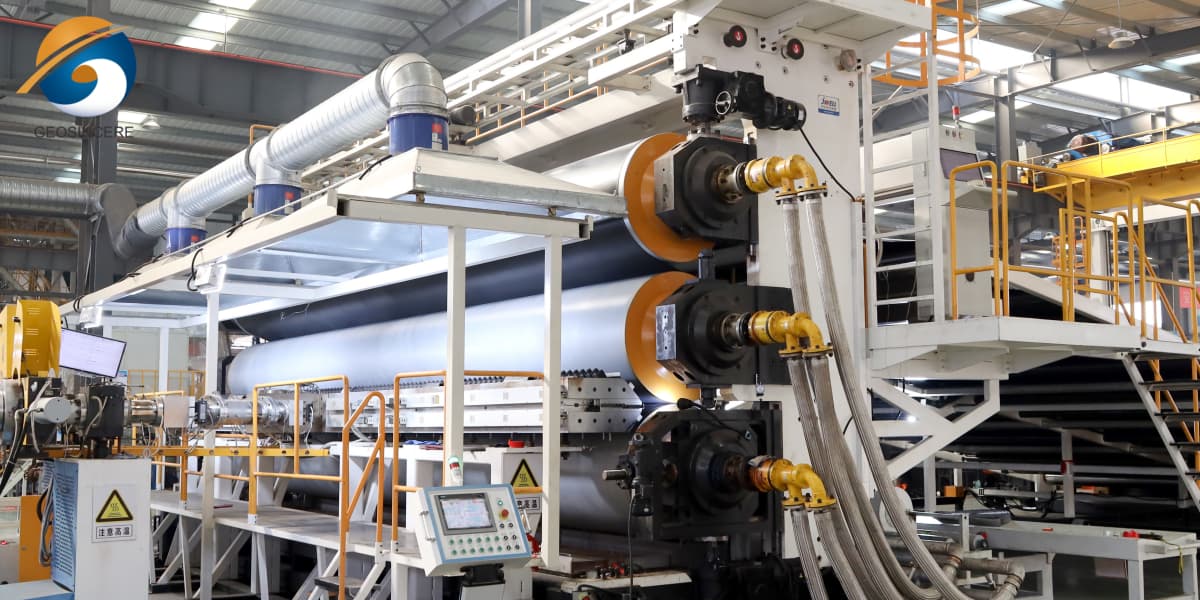
Shandong Geosino New Material Co., Ltd. (GEOSINCERE Geosynthetics) polyvinyl chloride liner have earned their place as a versatile, accessible, and cost-effective solution for a wide range of containment applications. Their flexibility, ease of installation, and attractive upfront pricing make them a natural choice for projects where budget is a primary concern and service life requirements are moderate.
Yet PVC is not a universal solution. Its sensitivity to UV exposure, plasticizer loss over time, and shorter service life compared to HDPE and EPDM mean it is not always the best choice for permanent, demanding applications. The key to successful procurement is understanding these trade-offs and matching the material to the specific requirements of each project.
When specified appropriately and installed correctly, PVC liners deliver reliable, cost-effective containment that protects both water resources and the environment. And for many projects, that combination of performance and affordability is exactly what is needed.
