Case Details
Geomembranes find various applications in agriculture, providing practical solutions for water management, soil protection, and environmental sustainability. Plays a crucial role in agriculture.These liners create impermeable barriers that prevent water seepage into the soil, ensuring efficient water utilization and minimizing water loss. Geomembranes also contribute to the prevention of soil erosion by acting as a protective layer between the soil and water. By maintaining a controlled water supply, geomembranes enable optimal irrigation practices, promoting healthy plant growth and maximizing crop yield. Furthermore, geomembranes help to conserve water resources by reducing evaporation and seepage, making agricultural practices more sustainable and environmentally friendly.
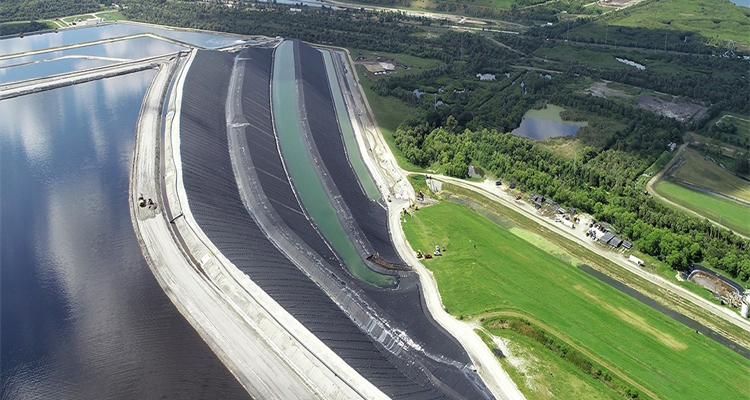
Agriculture Geomembrane Applications
- Pond Liners: Geomembranes are used to line ponds and reservoirs in agricultural settings. These lined ponds are used for water storage, irrigation, aquaculture, and livestock watering. The geomembrane acts as a barrier, preventing seepage and ensuring efficient water management.
- Canal Linings: Geomembranes are employed as linings for irrigation canals and channels. The lining helps to prevent water loss due to seepage, ensuring a more efficient distribution of water to crops.
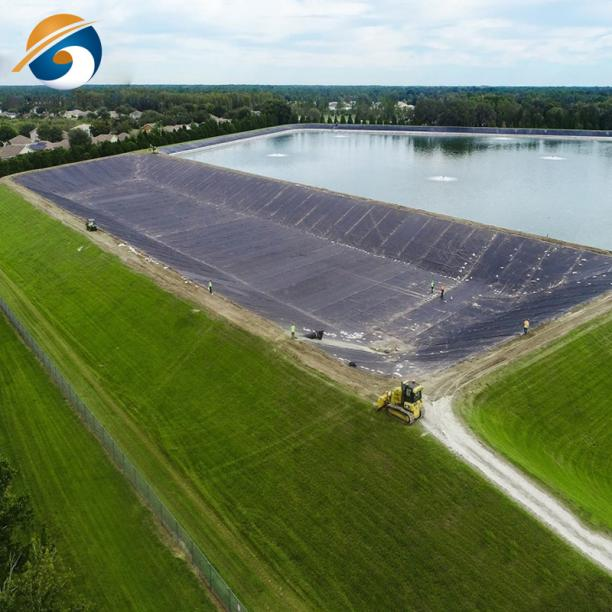
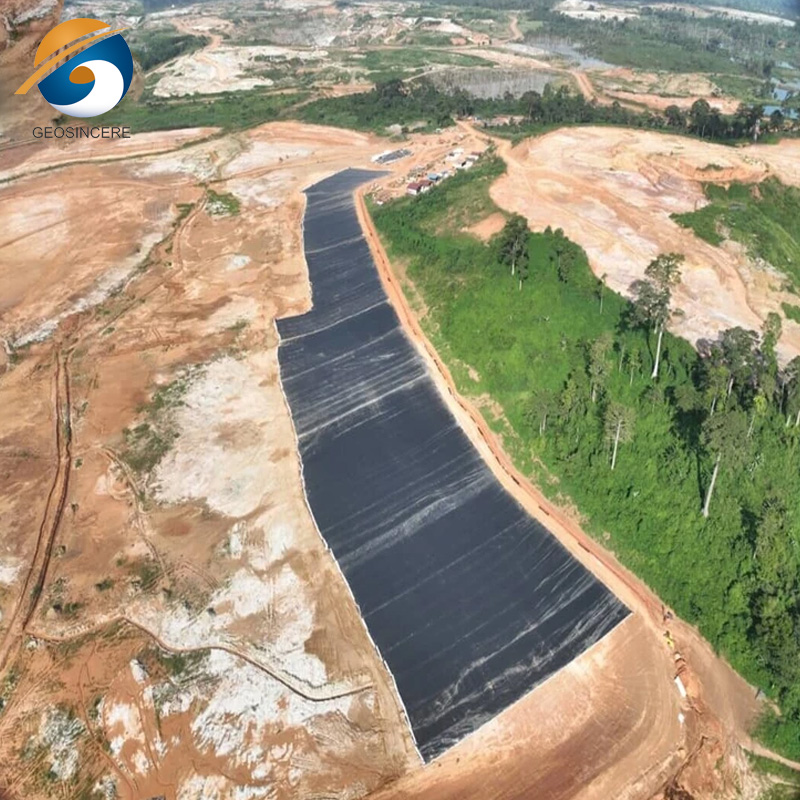
- Waste Storage and Containment: In agricultural operations, waste storage and containment are crucial for managing manure, slurry, and other agricultural byproducts. Geomembranes are utilized to line storage facilities such as lagoons, tanks, and pits, preventing seepage and reducing the risk of groundwater contamination.
4.Greenhouse Liners: Geomembranes can be used as liners for greenhouse floors to create a barrier between the soil and the greenhouse structure. This helps to prevent the infiltration of moisture and contaminants into the greenhouse and facilitates better control of irrigation and nutrient management.
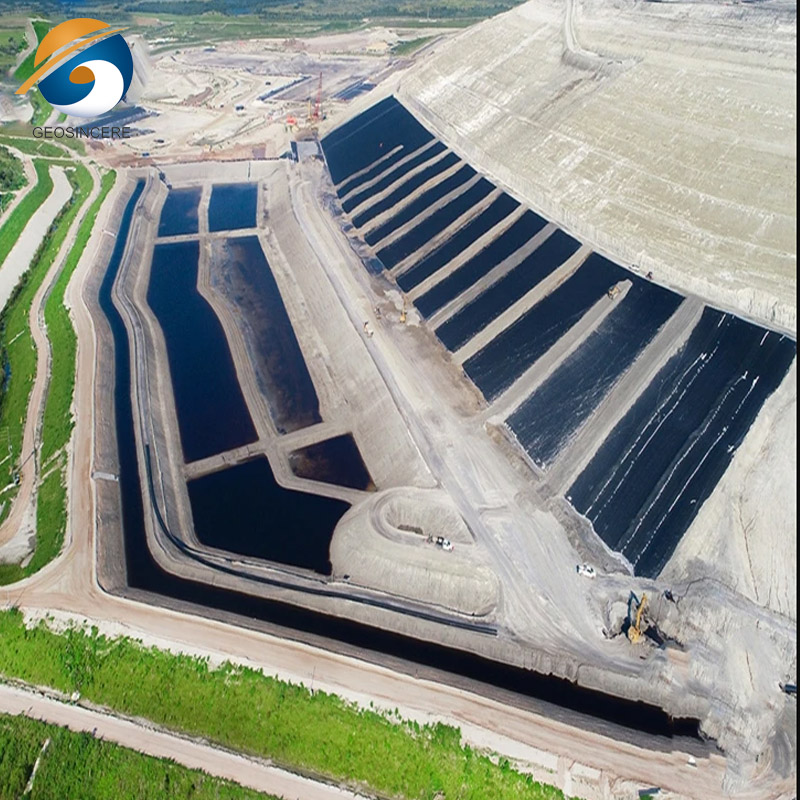
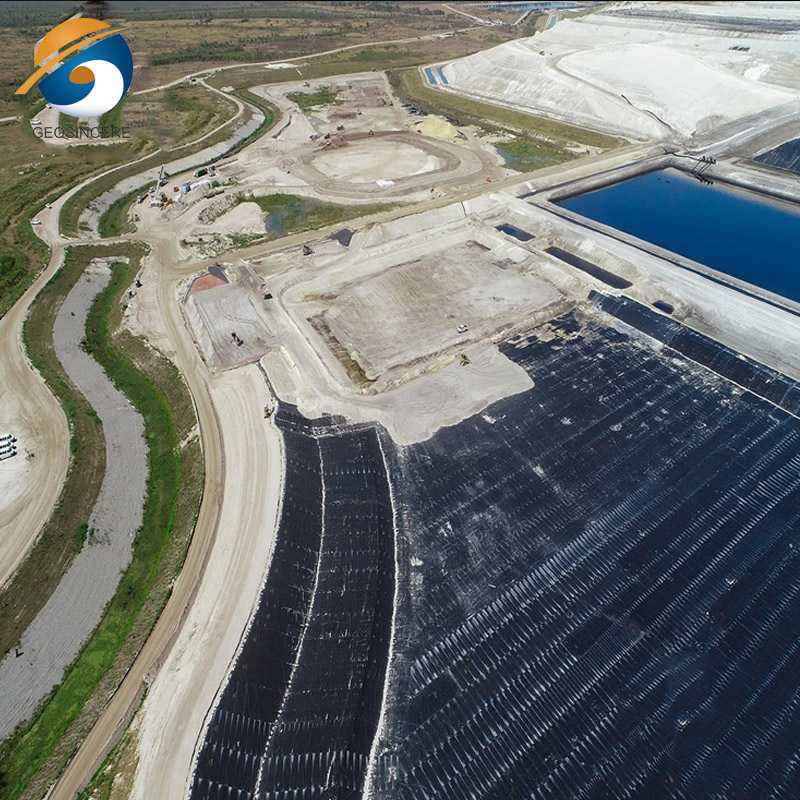
- Erosion Control: Geomembranes can be employed for erosion control in agricultural areas prone to soil erosion. They can be used as a temporary or permanent measure to stabilize slopes, prevent soil loss, and protect vulnerable areas from water runoff.
- Root Barrier: Geomembranes are sometimes used as root barriers in agricultural applications. They are installed vertically in the soil to prevent the spread of roots, which can interfere with infrastructure, such as roads, buildings, or underground utilities.
